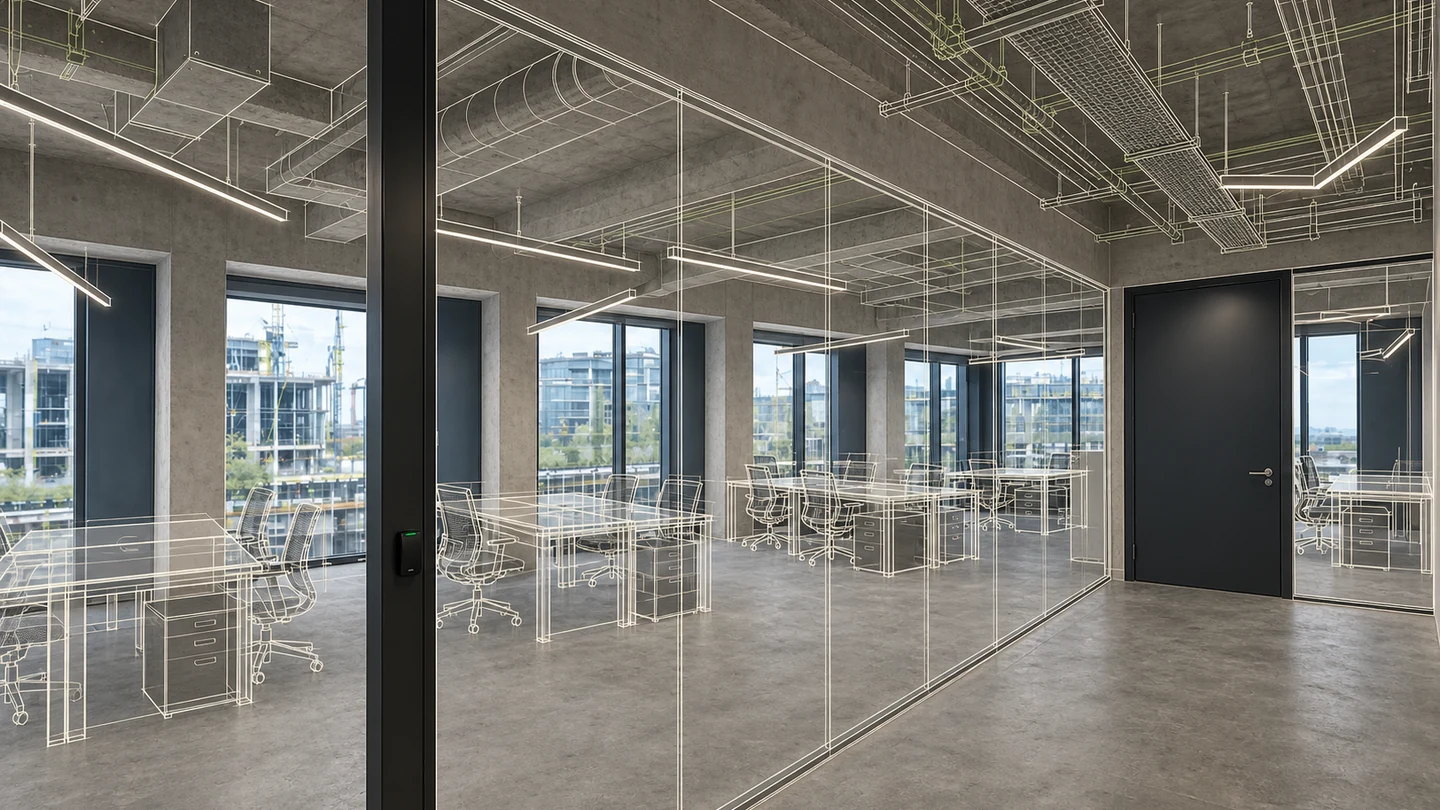
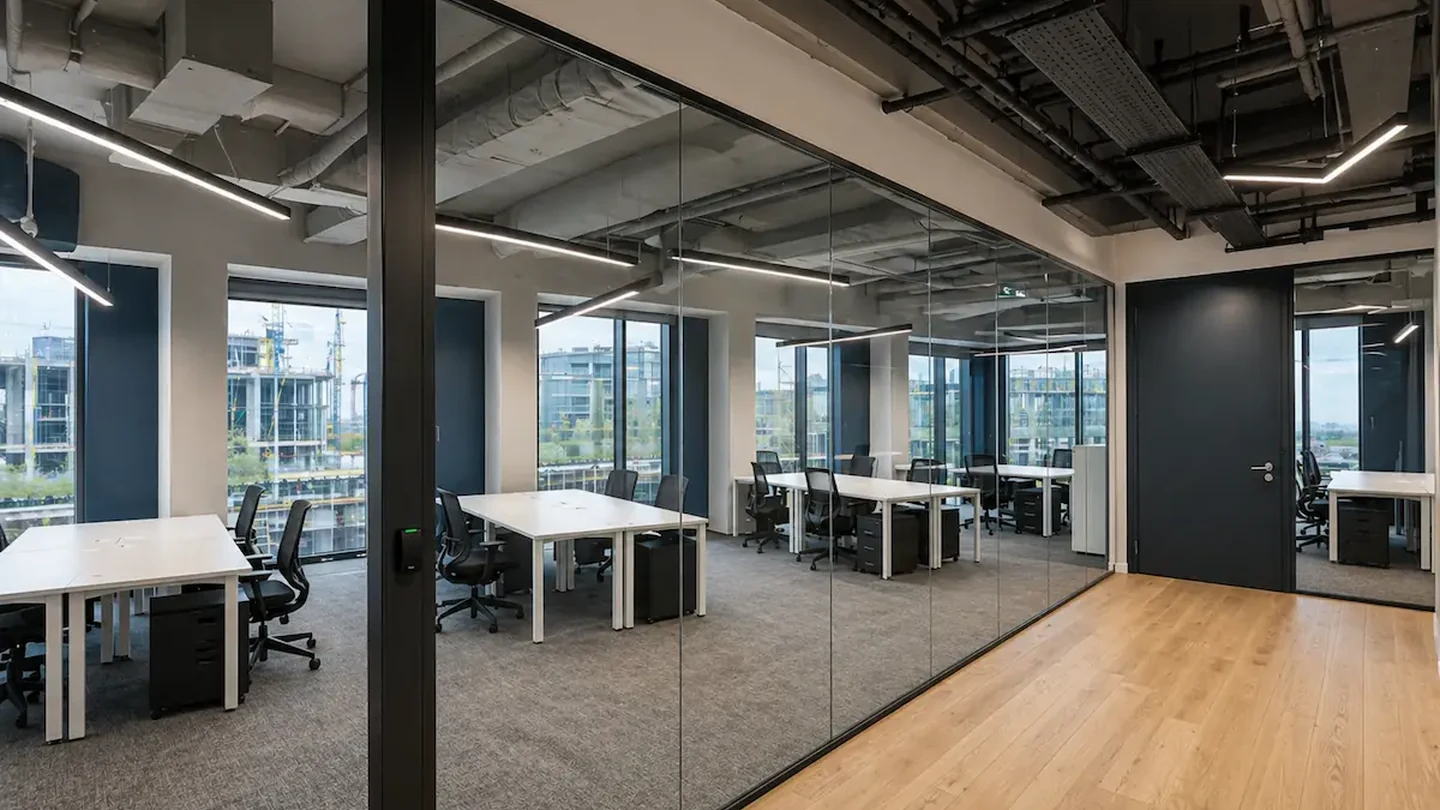
47 000 m²
m² of space analysed, designed and delivered

Office fit-out Warsaw
We prepare office space from Shell & Core or Cat A through to a working, fully finished office. The scope covers the test fit, design, building services, construction, finishes and agreed equipment. With Design & Build, one team coordinates the budget, programme and handover.
m² of space analysed, designed and delivered
of engineering experience in office projects
budget variants and CAPEX scenarios
workplace-capacity analyses and office-layout scenarios
investment scenarios analysed for clients


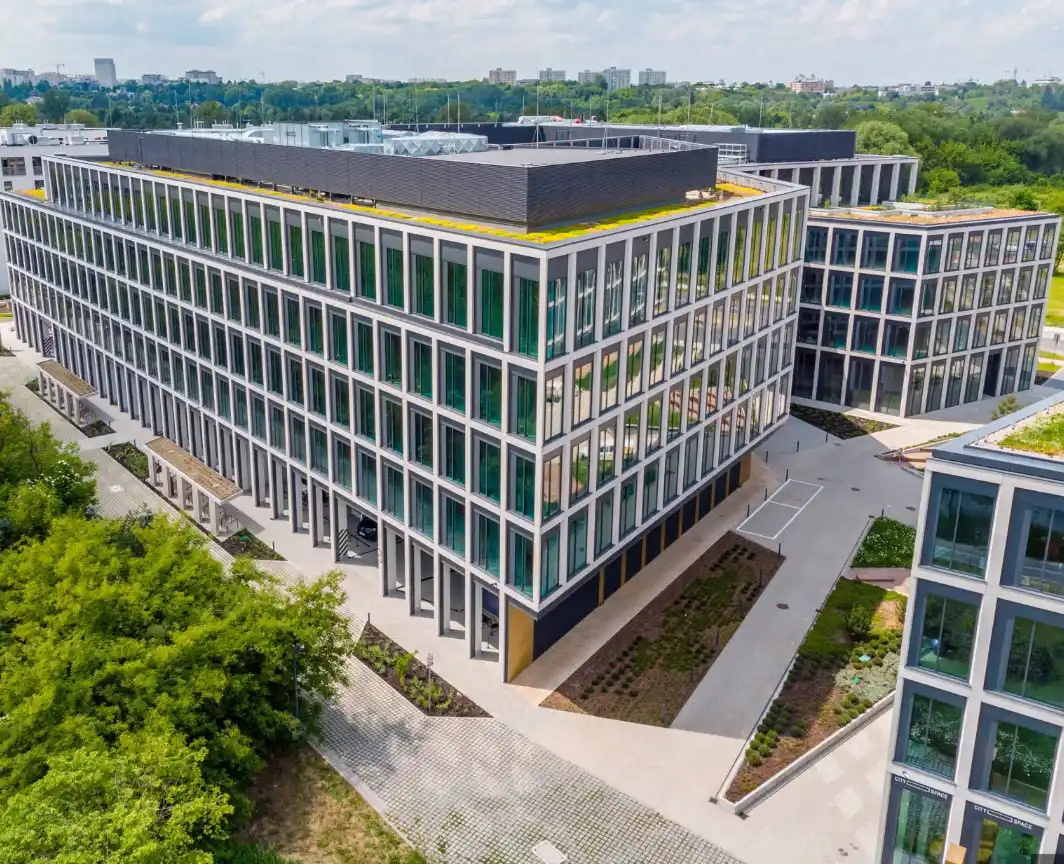
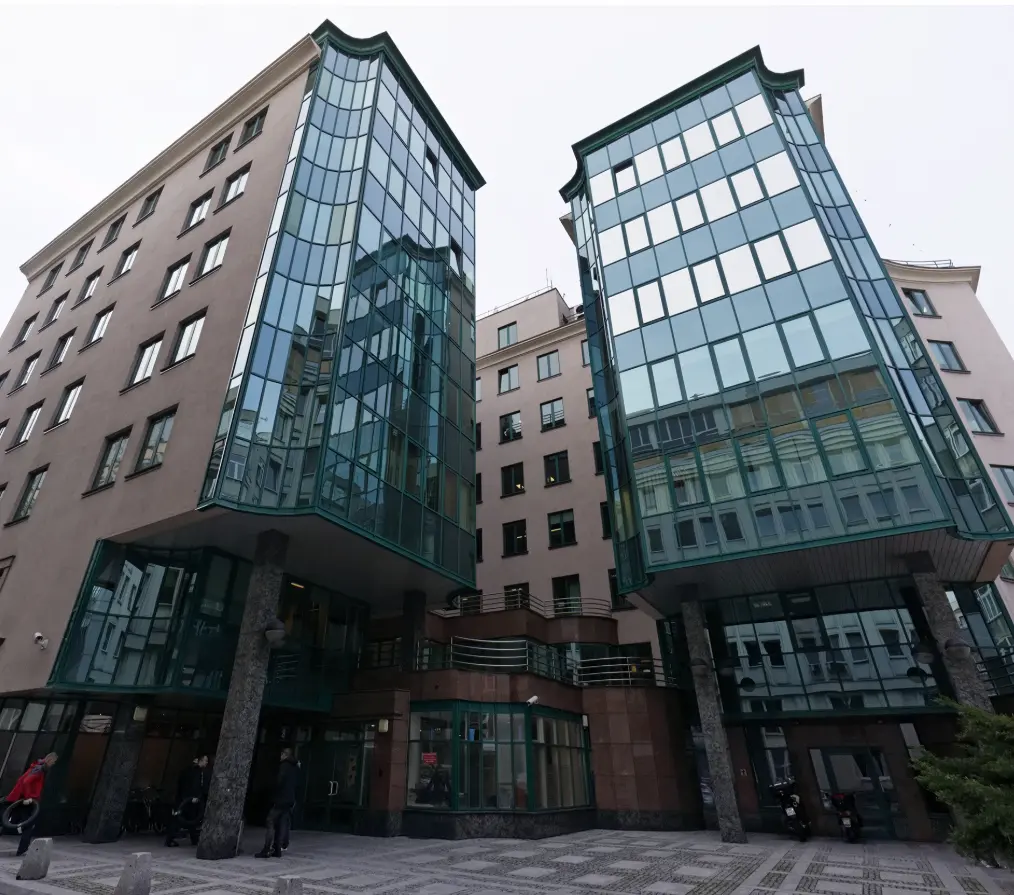

The service combines space analysis, brief, design, budget, MEP coordination, landlord approvals, construction, FF&E and handovers. We manage all stages as one process, resulting in a ready-to-use office with a confirmed scope, schedule and handover documentation.
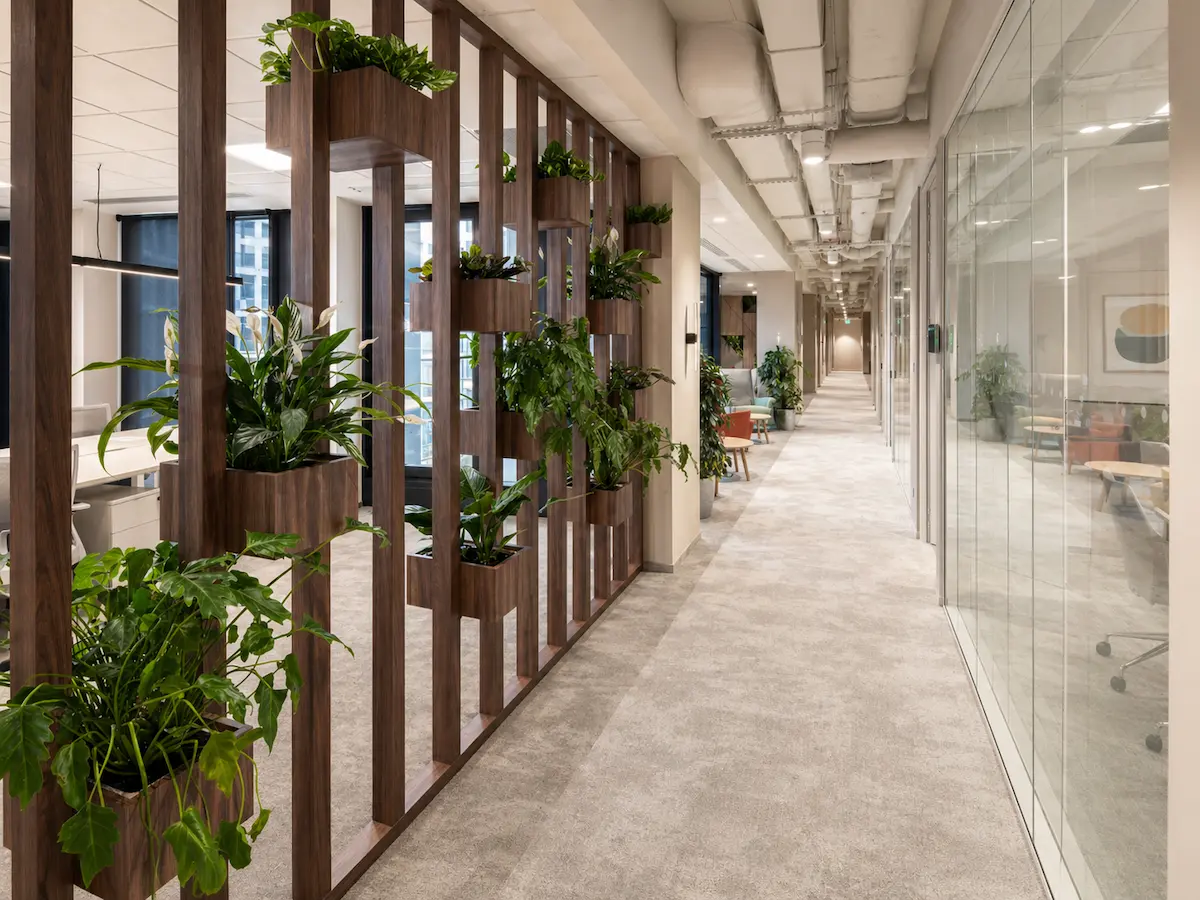
Starting point
We review the premises condition, floor area, user needs, work model and technical constraints. The result is a confirmed functional programme and the input data required for design, budget and further preparation of the space.

Premises condition, team needs, functional programme and delivery input data.
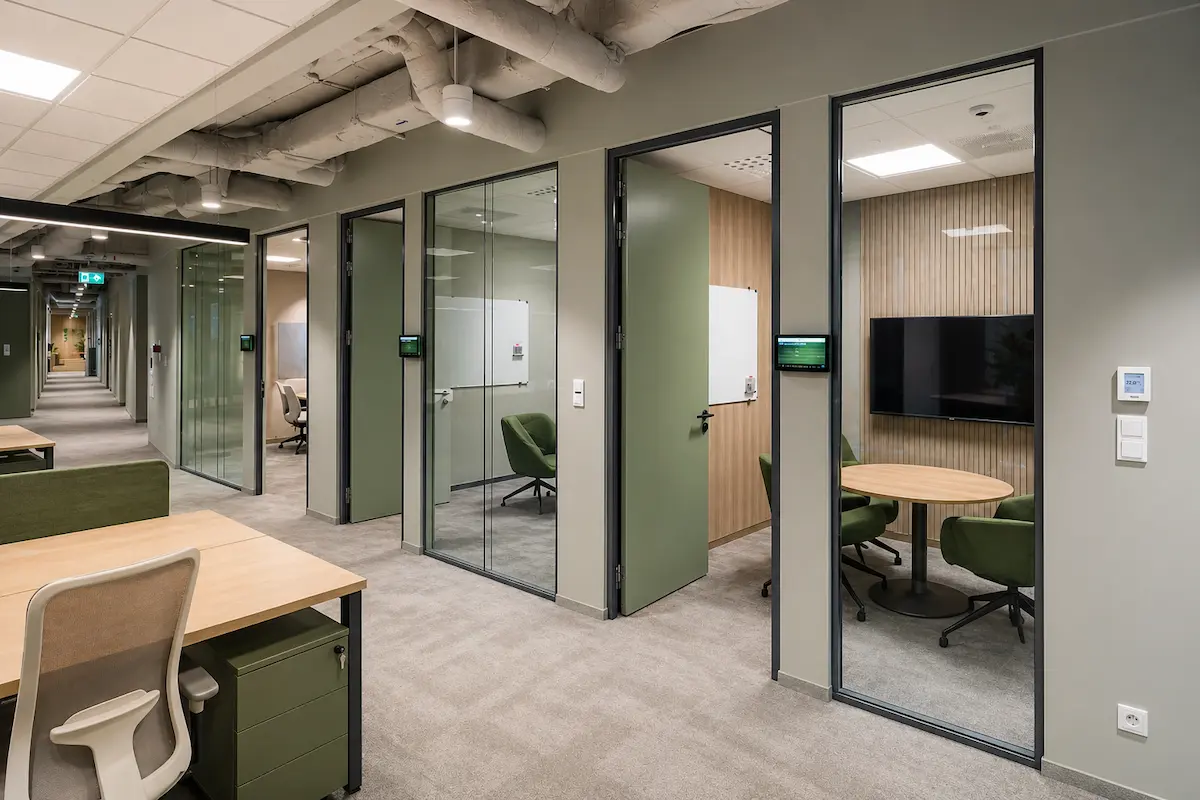
Documentation
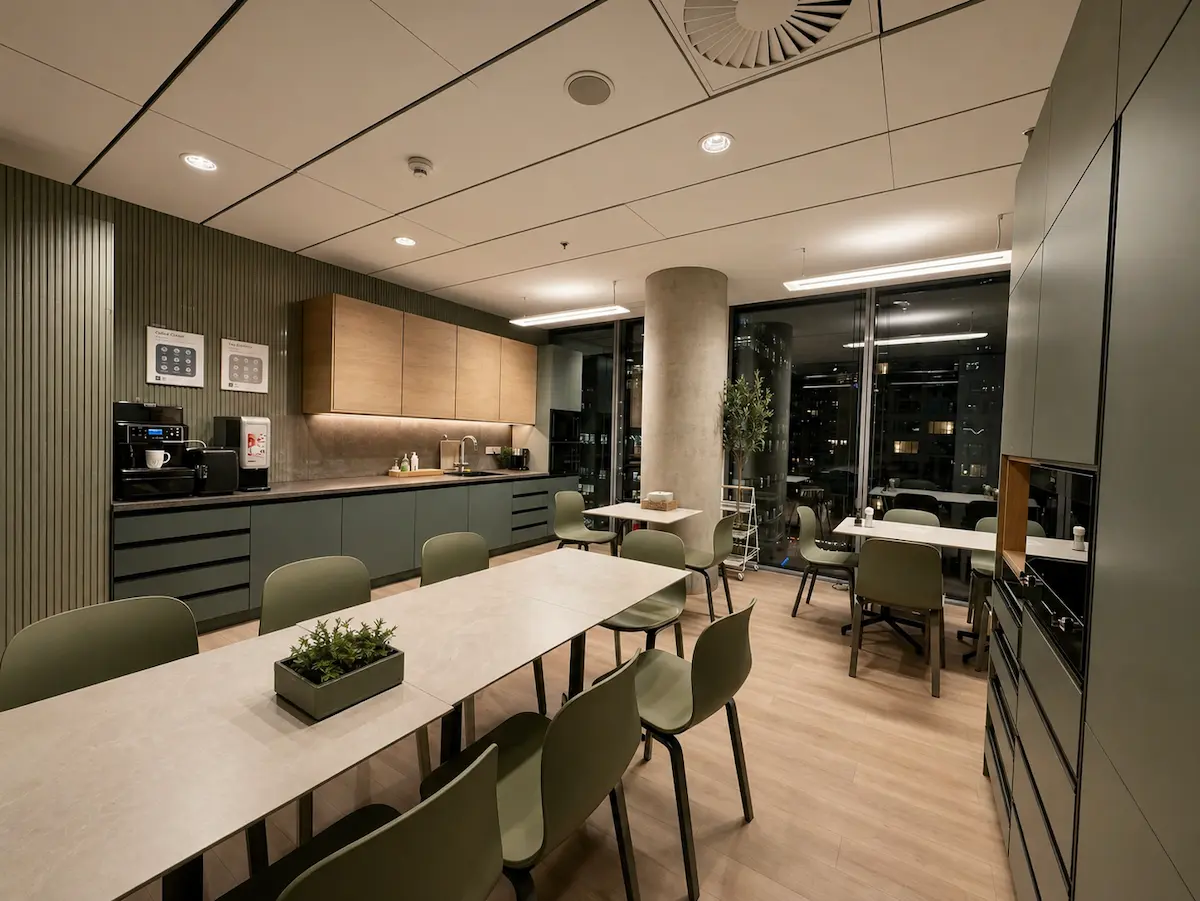
We prepare the functional layout, architectural solutions and MEP documentation. We coordinate HVAC, electrical, lighting, plumbing, safety systems and AV/IT so the scope is technically coherent and buildable.

Architecture and MEP coordinated for approvals, pricing and construction.
Cost and timing
We structure the cost by scope, disciplines, deliveries and material standard. We link the budget to the schedule for design, approvals, works and FF&E, so the investor can see how decisions affect cost and handover date.
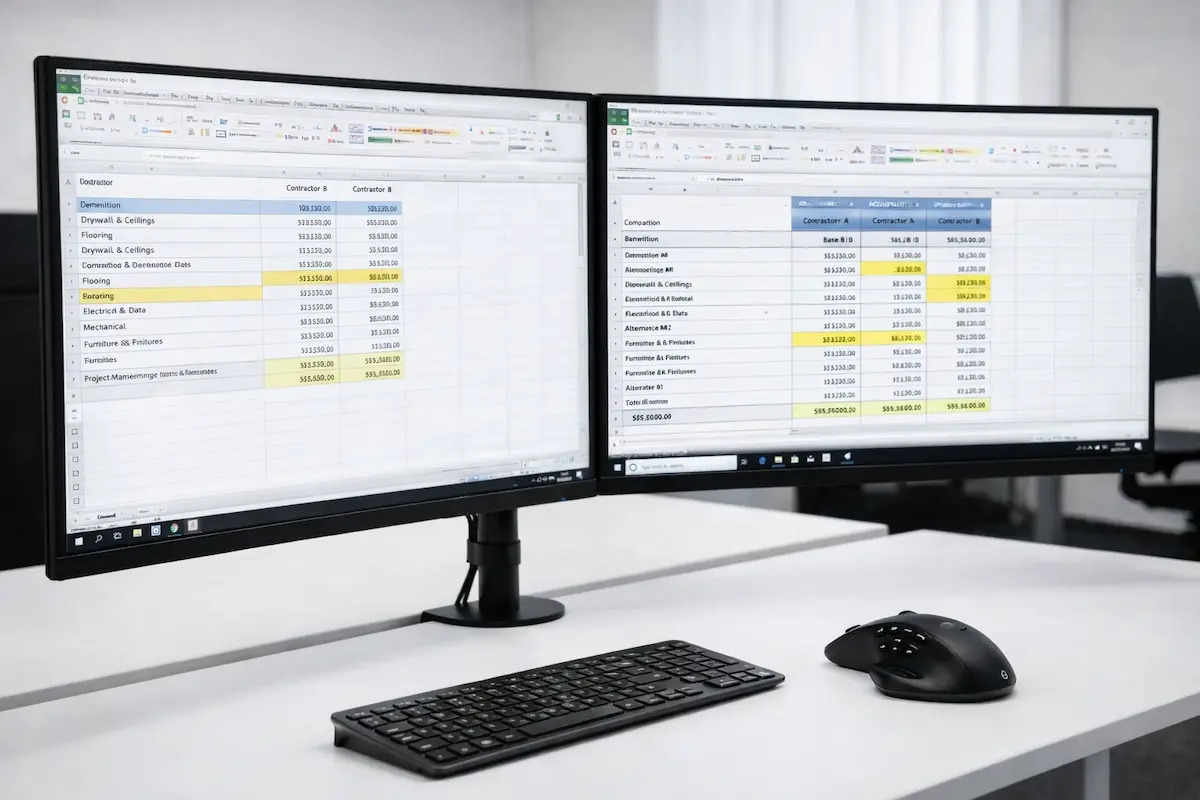
Scope, standard, cost and timing managed as one investment plan.
Building requirements
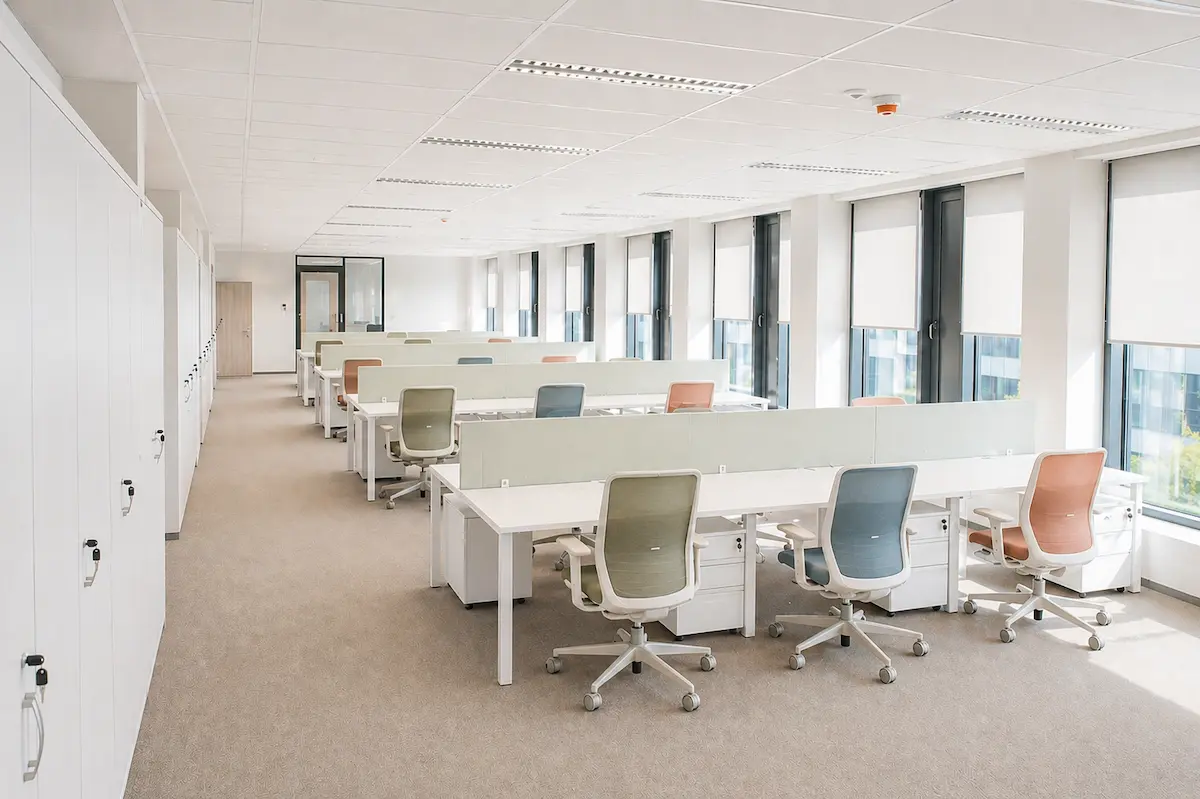
We verify the landlord’s technical guidelines and procedures, fire-safety requirements, FAS, voice alarm, BMS, HVAC, sprinklers and logistics. Documentation is submitted for the required approvals to reduce the risk of work stoppages or changes during execution.

Documentation, building systems, work rules and required approvals.
Execution
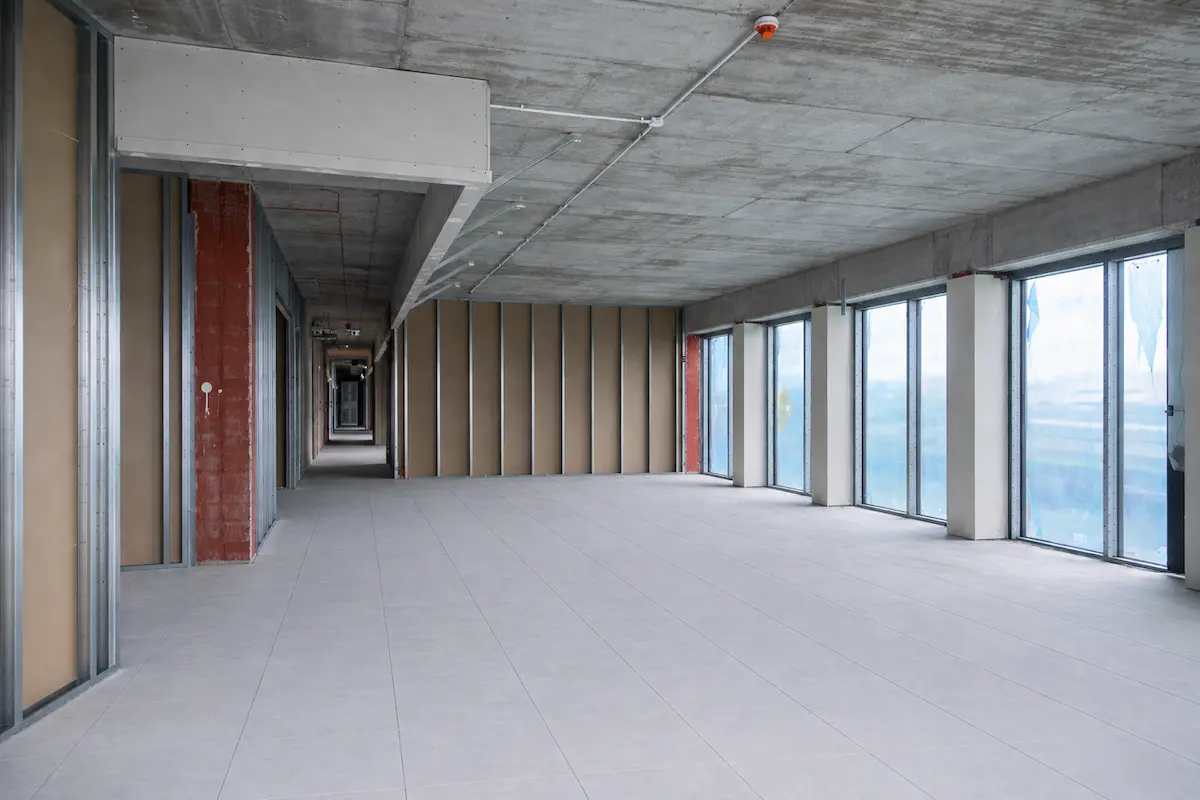
We coordinate construction, finishing and MEP works together with deliveries and quality control. The sequence of works is linked to the documentation, access to the space and building requirements to reduce clashes and downtime.
Disciplines, deliveries, quality and sequencing managed in one schedule.
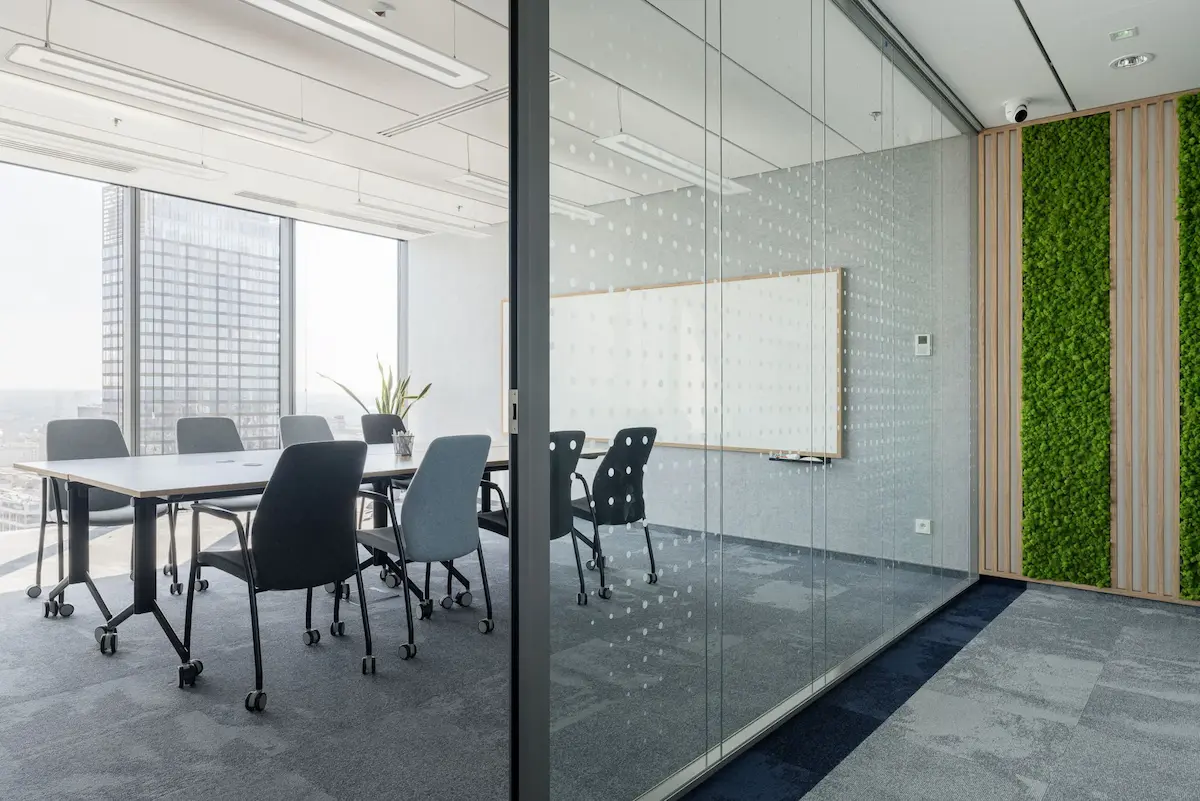
Ready-to-use space
We complete furniture, FF&E and AV/IT deliveries, test the systems and manage snagging. The investor receives the agreed handover scope, as-built documentation, warranties and a space prepared for use.

FF&E, testing, snagging, documentation and operational readiness.
The process starts by confirming the starting point, functional programme and budget. We then coordinate documentation, building requirements, deliveries and works, before completing the project with system testing, handovers and formal delivery of the space. Every stage ends with a specific decision, document or confirmed outcome.

We gather the data required to define the functional programme, budget and delivery approach.
First we confirm the conditions for starting the investment
We analyse the premises condition, user needs, required date and available technical data. This defines the functional programme, the scope of the next steps and the information required to prepare the design and budget.
Outcome and control at this stage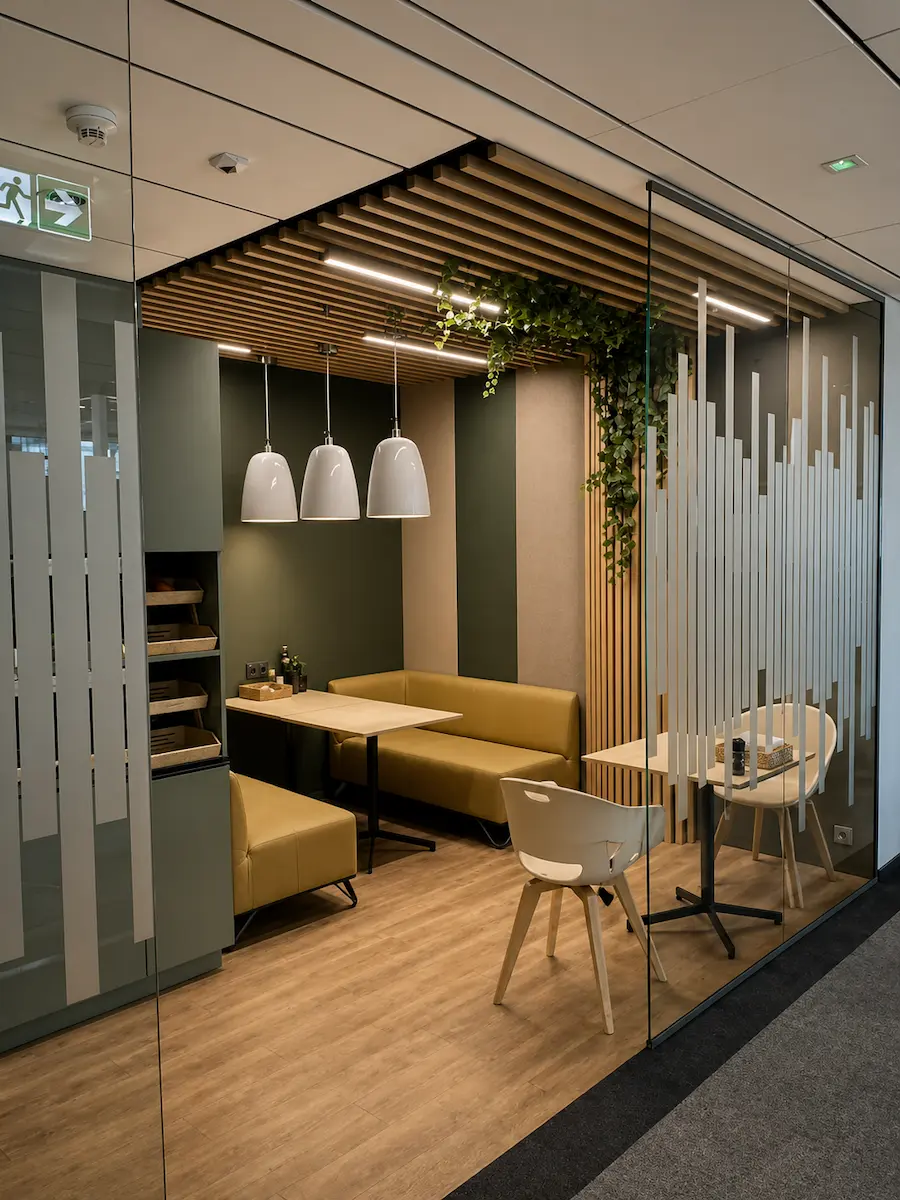
Architectural and MEP solutions are developed together with the pricing scope and cost decisions.
We create documentation that can be approved, priced and built
The functional layout, architecture, MEP systems and material standard are developed in parallel with the budget. Design decisions are reviewed for cost, buildability, technical requirements and schedule impact.
Outcome and control at this stage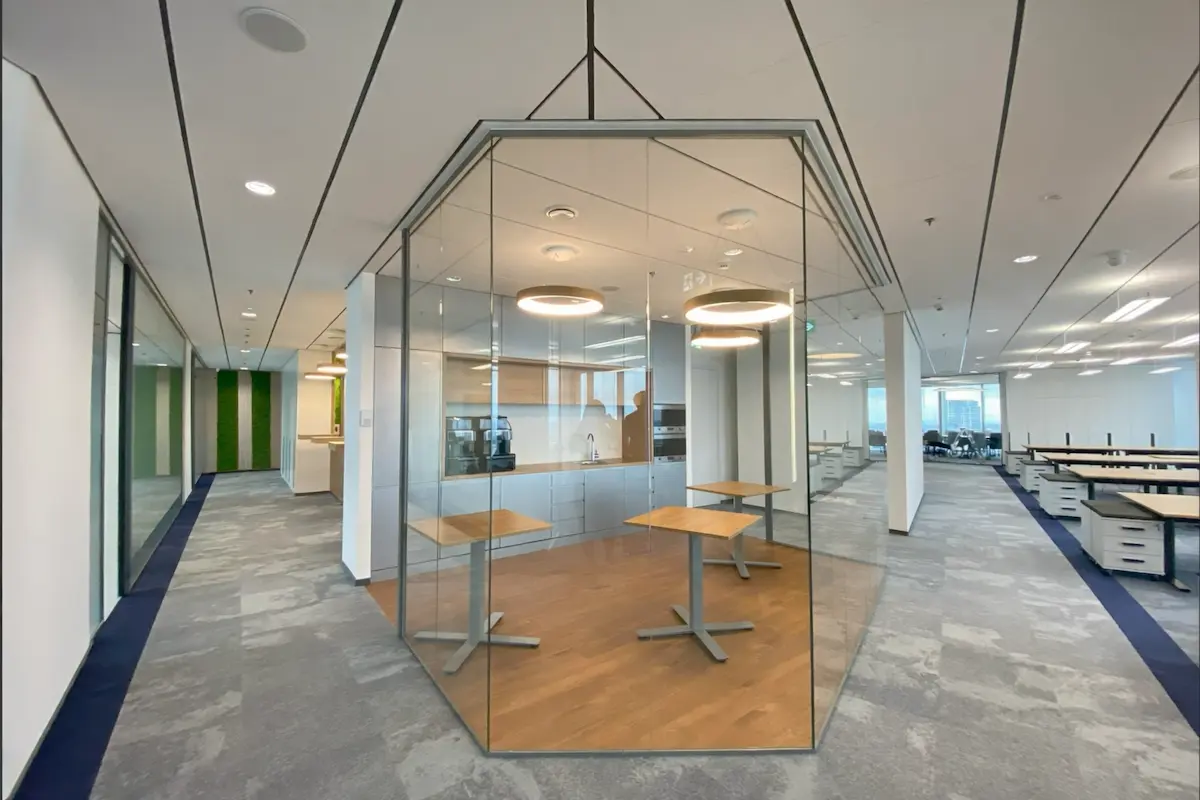
We coordinate approvals, building systems, logistics, procurement and the readiness of the space for execution.
We prepare the design and the space for a safe start of works
We align the documentation with the requirements of the specific building. We coordinate technical and safety systems, logistics rules, landlord approvals, the delivery schedule and procurement of long-lead items.
Outcome and control at this stage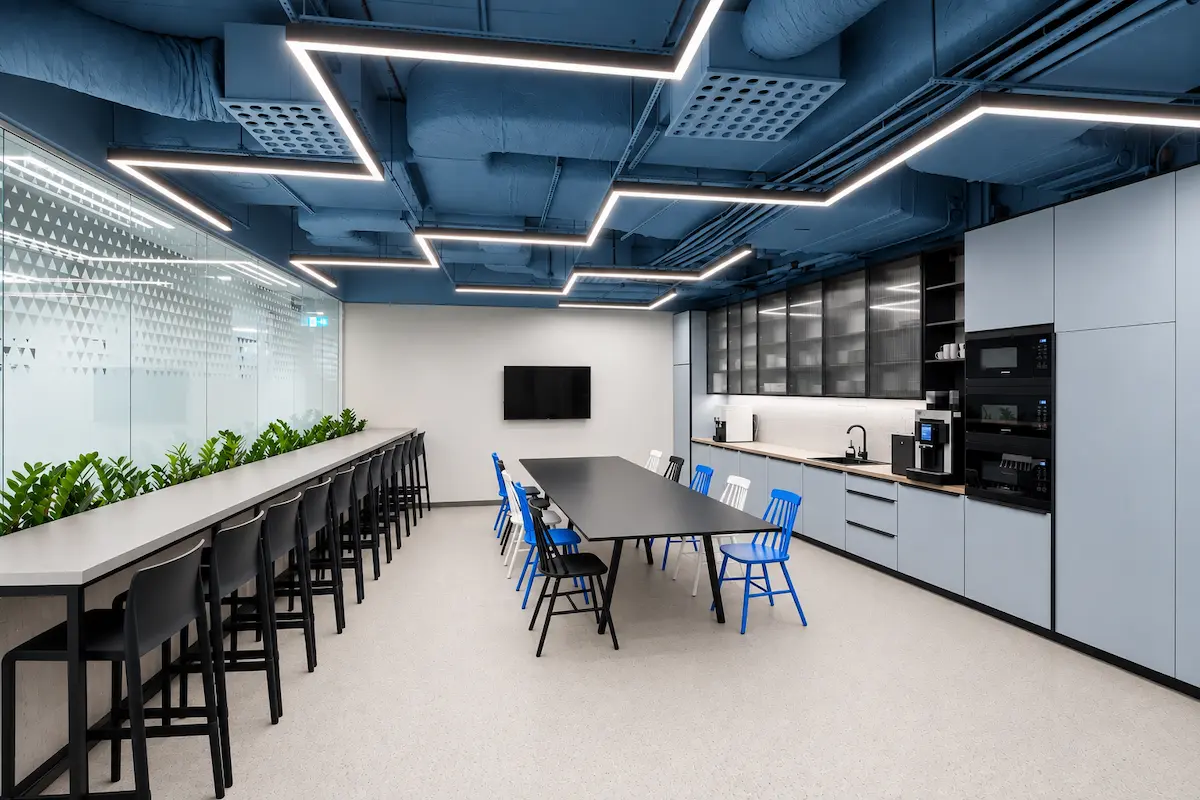
We control work sequencing, deliveries, changes, workmanship quality and compliance with the documentation.
We manage construction, deliveries and quality control in one schedule
We coordinate construction, MEP and finishing works together with deliveries and ongoing technical decisions. Progress is checked against the documentation, budget and dates, and changes are structured before execution.
Outcome and control at this stage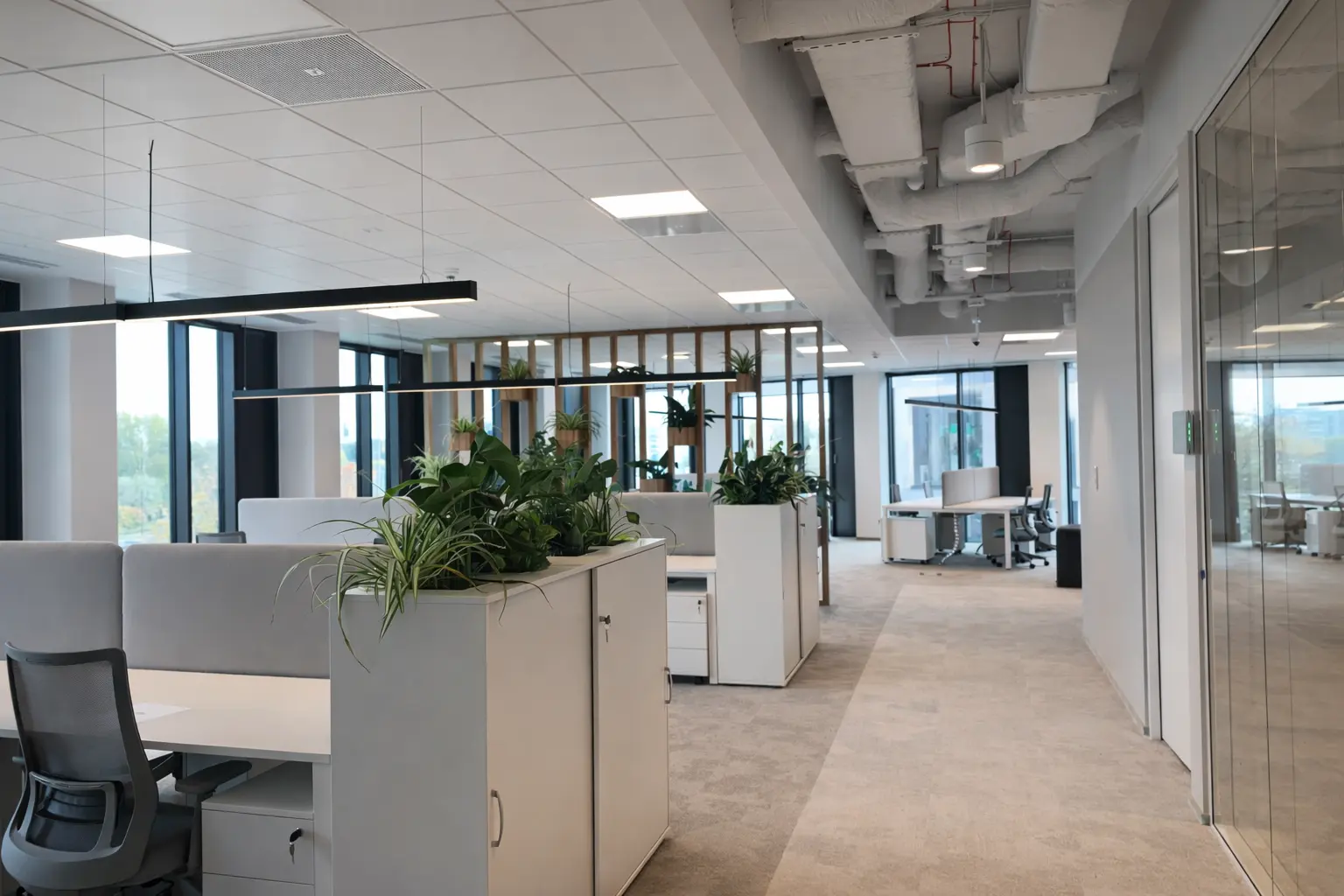
We run system tests, close snags and hand over the documentation, warranties and completed space.
We hand over a space that is technically, formally and operationally ready
The final stage covers system testing, snagging, handovers, FF&E and close-out documentation. We close the project with formal delivery of the space together with protocols, warranties and as-built documentation.
Outcome and control at this stageThe budget depends on the starting condition, MEP scope, number of rooms, material standard, acoustics, AV/IT, FF&E, logistics and building requirements. The options below are indicative reference points. An accurate price requires an analysis of the specific premises, floor plan and expected scope.
Ecoffices Decision Engine combines four modules: Test-fit, CAPEX, Carbon and TCO. Each develops a different layer of the same decision — space fit, entry cost, environmental impact and the full lease cost over time.
Timing depends on the starting condition, completeness of the brief, design scope, building procedures, material availability and scale of works. The schedule covers design, approvals, execution, deliveries, handovers and office readiness. The exact timing is confirmed after analysing the premises and investment scope.
Select the factors that apply to the investment. The module shows their indicative impact on the active stage.
The indicative impact is shown separately for each stage. Stages may partly overlap; the ranges are not a guarantee of timing.
Confirming user needs, premises condition, functional programme, budget and input data.
The starting point defines the scope of the next stages
We confirm user needs, premises condition, functional programme and required date. The result is a structured set of inputs for design, budget and the delivery plan.
Starting-point analysis, brief, functional programme and initial decisions.
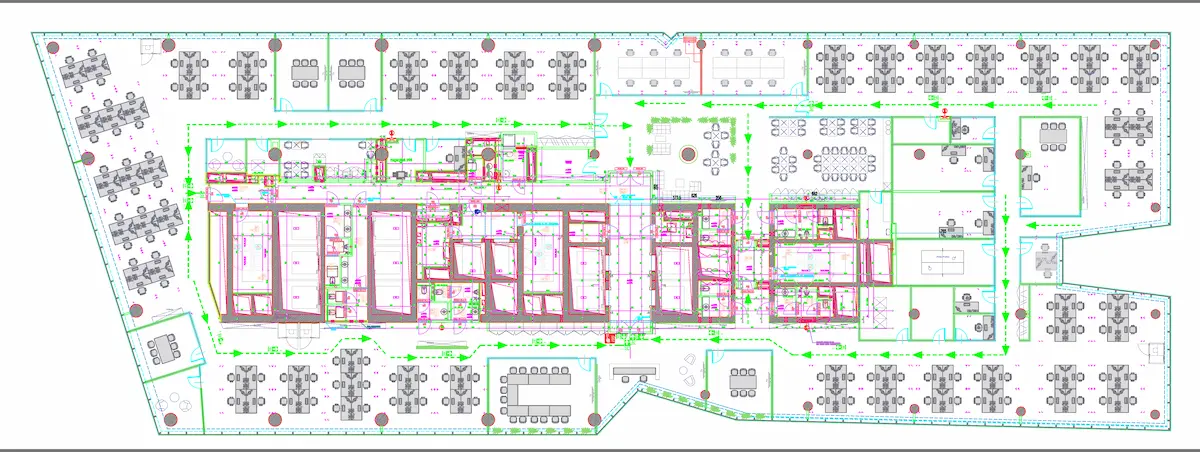
Architectural and MEP documentation, budget, landlord approvals and preparation of the scope for delivery.
Documentation connects layout, MEP and building requirements
We coordinate architecture, MEP systems, safety systems, material standard and budget. Documentation goes through the required approvals so the construction scope can be closed before execution starts.
Architectural and MEP design, budget, landlord approvals and preparation of the scope for construction.
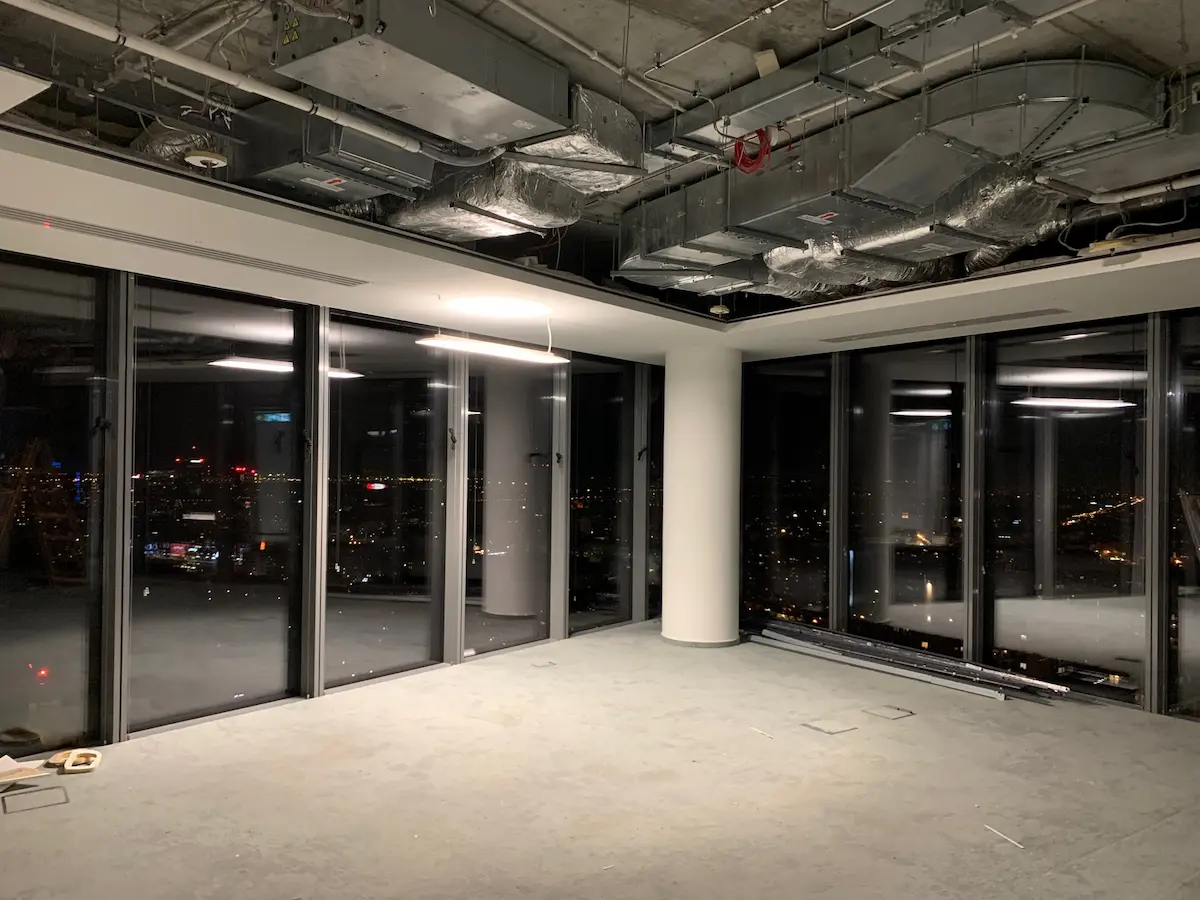
Construction, MEP, deliveries, FF&E, testing, handovers, snagging and as-built documentation.
Works, deliveries and handovers must run in one schedule
We manage construction and MEP works, FF&E deliveries, system testing and handovers. The stage ends with snagging, as-built documentation and formal delivery of the space.
Construction, MEP, deliveries, FF&E, testing, handovers and close-out documentation.
Want to confirm a realistic delivery date?
For the first assessment we need a floor plan, premises condition, planned scope, required move-in date and available building guidelines.
Discuss the delivery scheduleThe most expensive problems arise at the interfaces between design, MEP, budget and building requirements. We verify these dependencies before works begin to reduce MEP clashes, scope changes, unplanned costs and handover delays.
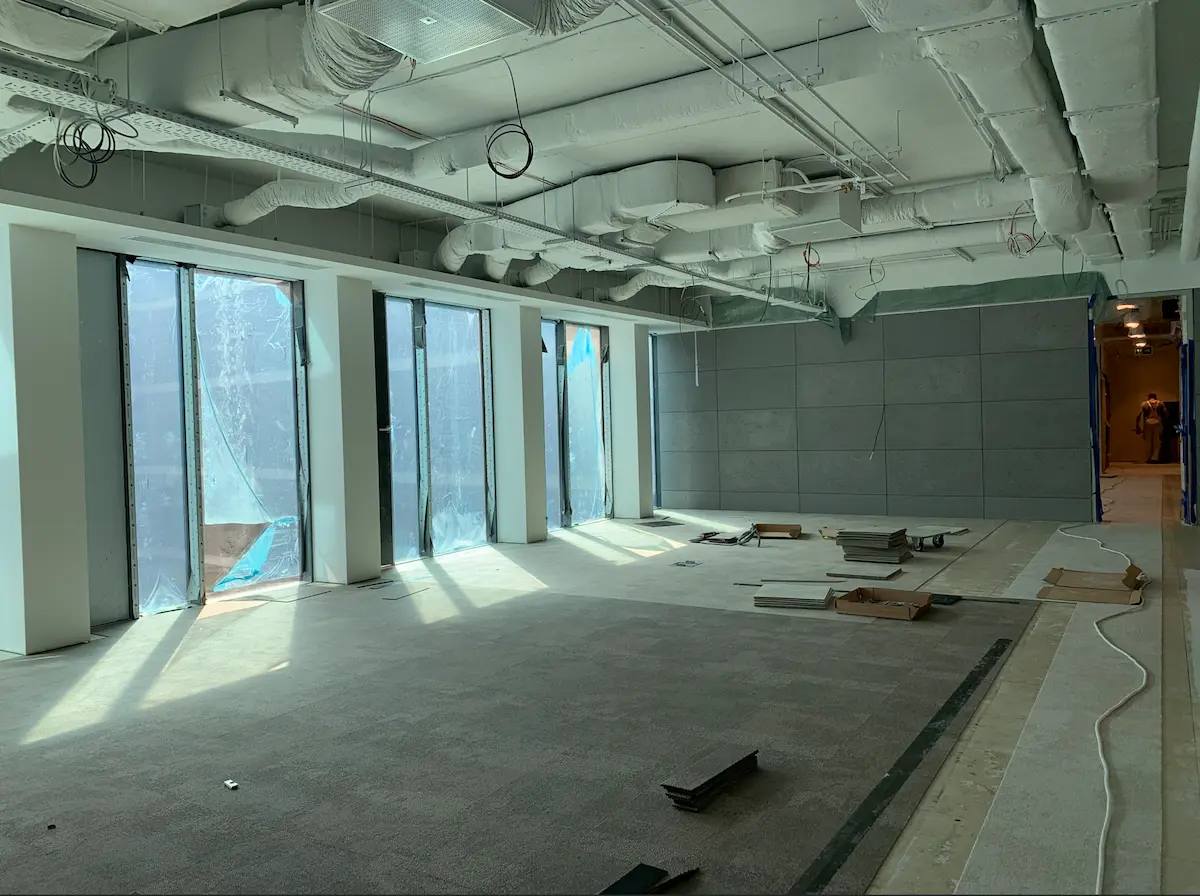
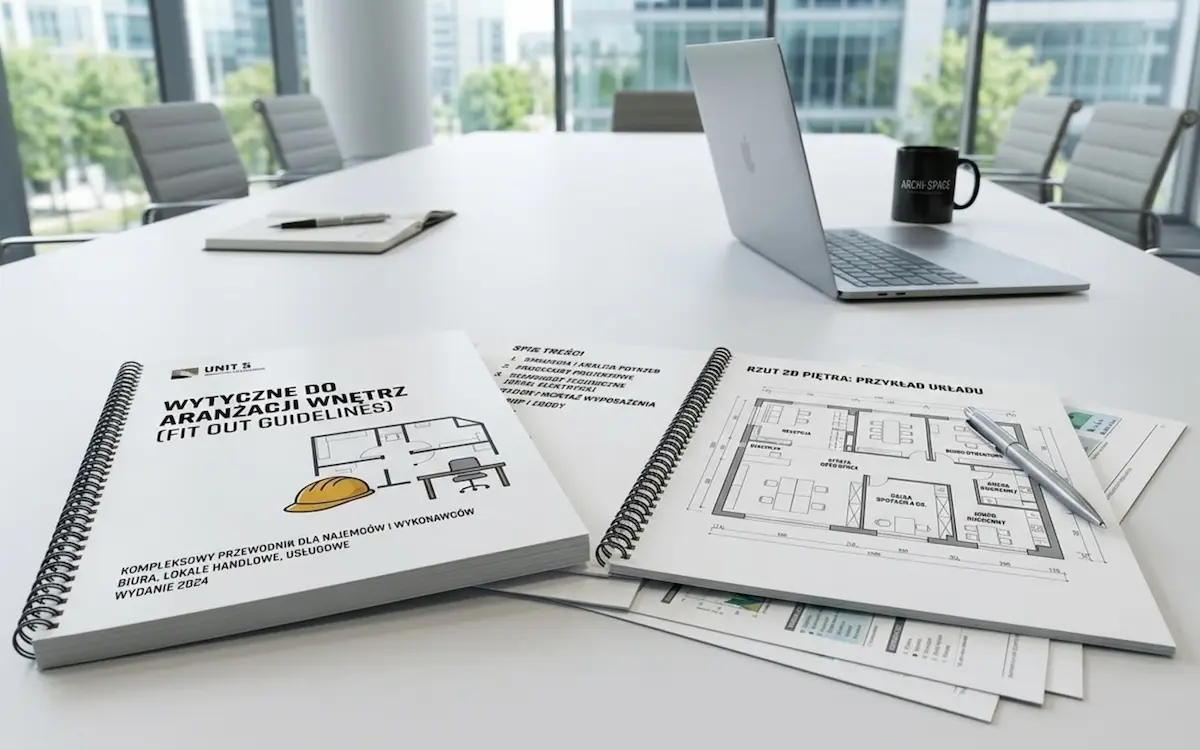
When documentation, MEP and building requirements are not coordinated before works start, decisions must be made under time pressure. This leads to rework, additional procurement and delays to subsequent stages.
Before crews enter the site, we confirm the dependencies between layout, MEP, safety systems, materials, deliveries and building procedures. This makes the schedule based on a verified scope.
Floor area, number of users, premises condition, documentation readiness and availability of building guidelines affect how many dependencies must be closed before execution.
The most expensive problems arise at the interfaces between scopes
Pre-start verification helps structure responsibility, work sequencing and the decisions that must be closed. The aim is not to eliminate every change, but to reduce issues that could have been foreseen before crews enter the site.
Want to verify the risks of the space?
Send a floor plan for analysisThe scope is relatively well structured, but the documentation, MEP systems, deliveries and handover procedures still need to be confirmed.
3 areas to close · 1–2 wks. · change risk: moderate
The scope looks stable, but still needs confirmation before works begin.
Even with completed documentation, it should be checked against the current premises condition and building requirements. A short pre-start verification reduces the risk of changes during execution.
Want to confirm readiness for works?
Documentation, MEP scope and landlord requirements should be coordinated before the execution schedule is approved.
5 areas to close · 3–5 wks. · change risk: elevated
The greatest risk sits at the interface between documentation, MEP and the building.
Before works start, close the dependencies that affect sequencing, deliveries and handovers. This makes the schedule based on a confirmed scope, not assumptions.
Want to verify the risks of the space?
The starting condition, project scale or incomplete documentation create many dependencies that can stop delivery without full coordination.
6 areas to close · 5–8 wks. · change risk: high
At this scale, starting without coordination increases the risk of rework, extra costs and delays.
Documentation, building requirements, procurement and work sequencing should be combined into one delivery-preparation plan. Only after these dependencies are closed can the execution schedule be responsibly confirmed.
Need an analysis before execution?
Every stage should end with a specific outcome: confirmed scope, coordinated documentation, current budget, schedule, handover protocol or a complete close-out document set. This means the investor sees not only the activities being performed, but also the decisions, documents and control points required to move to the next stage.
At the start we structure user needs, room functions, premises condition, expected standard and required date. The investor receives a confirmed brief and a list of information required to prepare the design, budget and schedule.
What does the investor receive?Result: the design starts from confirmed needs and structured input data.
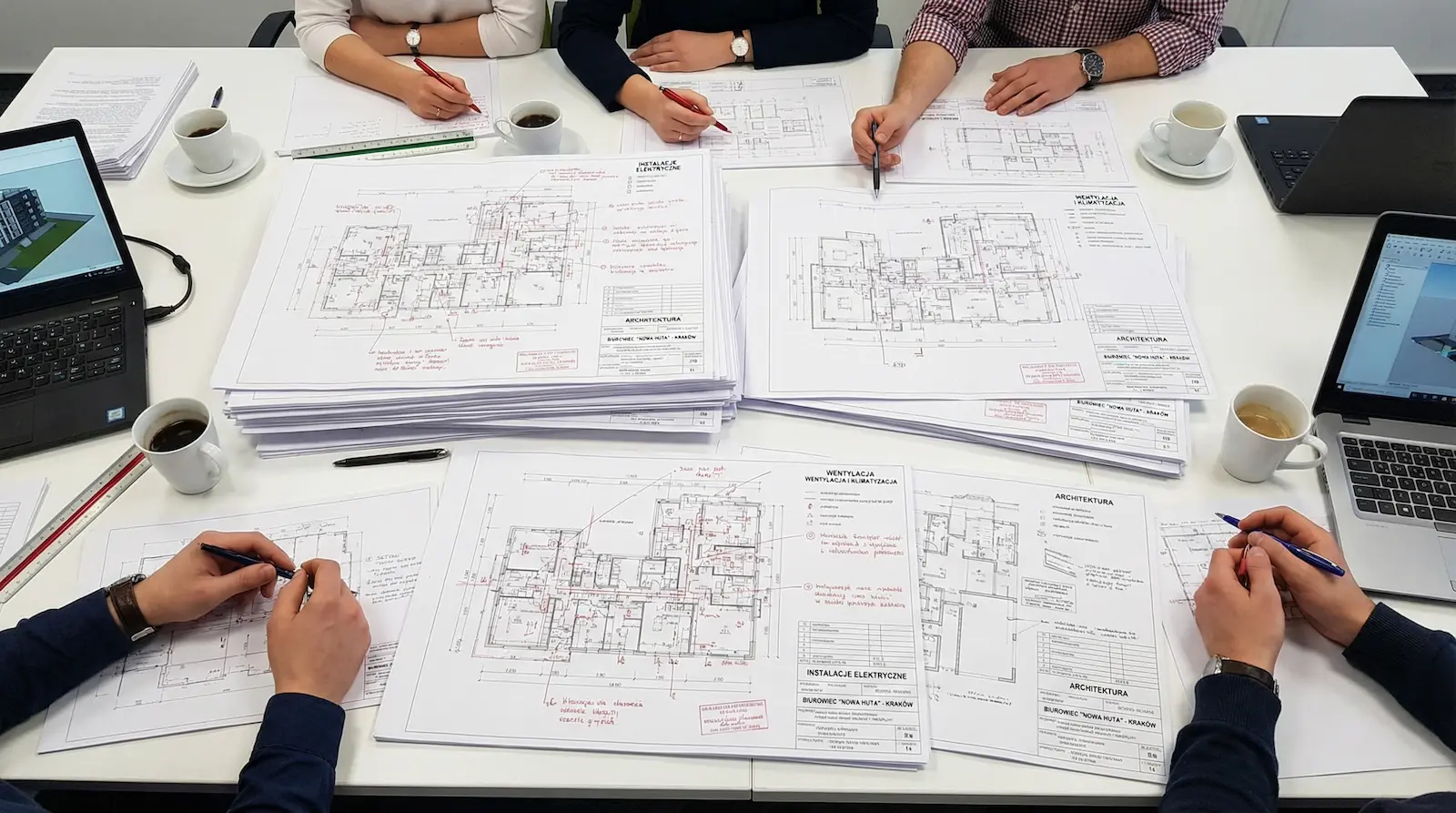
We develop the functional layout, architectural solutions and MEP as one coordinated documentation set. The investor receives materials showing not only the office design, but also the construction approach, technical requirements and the impact of decisions on scope.
What does the investor receive?Result: the scope can be reliably priced, approved by the building and released for construction.
We update the budget as decisions are made on materials, MEP, FF&E and technology. The investor sees the pricing assumptions, cost drivers and the schedule for design, approvals, works and deliveries.
What does the investor receive?Result: the investor knows what drives the cost and which decisions affect the office handover date.
We submit documentation for the required approvals and structure the comments received. The investor receives an approval status, a list of required corrections and confirmation of the technical and organisational conditions needed to start works.
What does the investor receive?Result: works start on confirmed conditions rather than assumptions that require later correction.
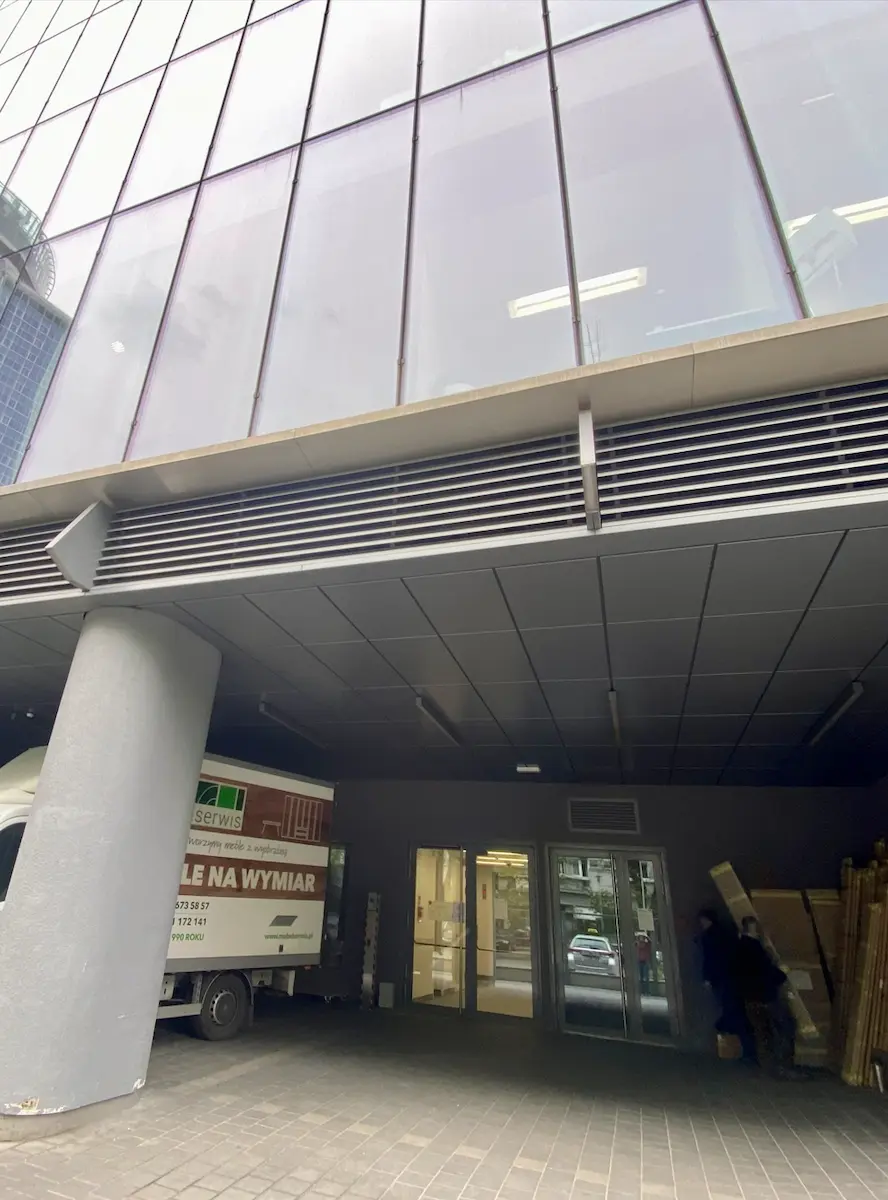
During the works we control progress, workmanship quality, compliance with the documentation and scope changes. The investor receives information on completed stages, open decisions, risks and items affecting timing or budget.
What does the investor receive?Result: the investor receives a current picture of delivery and a basis for informed decisions.
The final stage covers system testing, snagging, handovers and completion of the as-built documentation. The investor receives protocols, certificates, manuals, warranties and confirmation of the space handover.
What does the investor receive?Result: the process ends with a complete document set and a space prepared for safe use.
We close every stage with an outcome that allows an informed move to the next decision
The investor receives a current view of scope, cost, timing, approval status and workmanship quality. The process is therefore based not only on declarations of completed activities, but on documents, protocols and confirmed outcomes.
Want to define the document scope for your project?
Send a floor plan, brief or existing documentation. We will identify what is needed for pricing and what should be handed over at each stage.
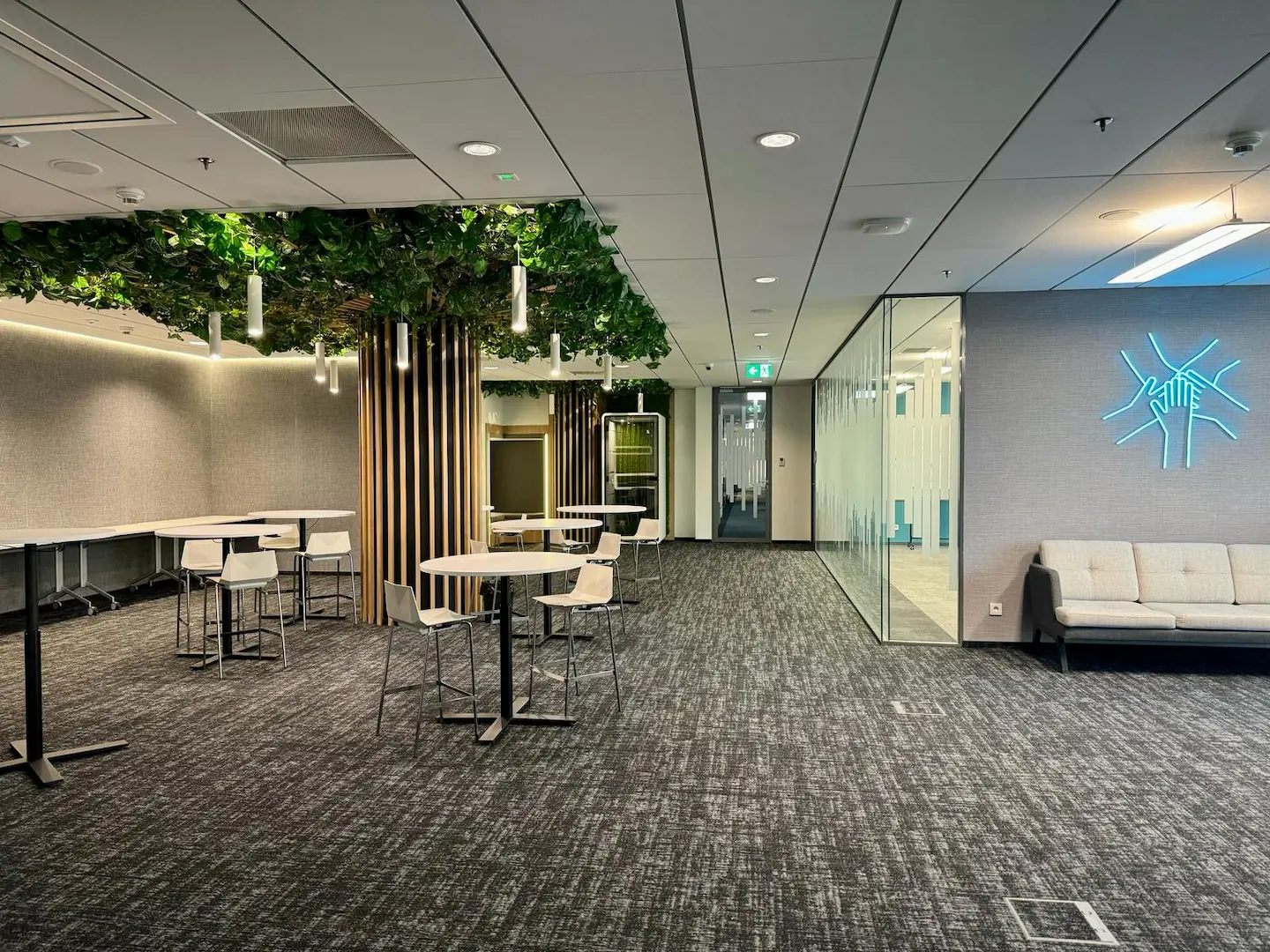
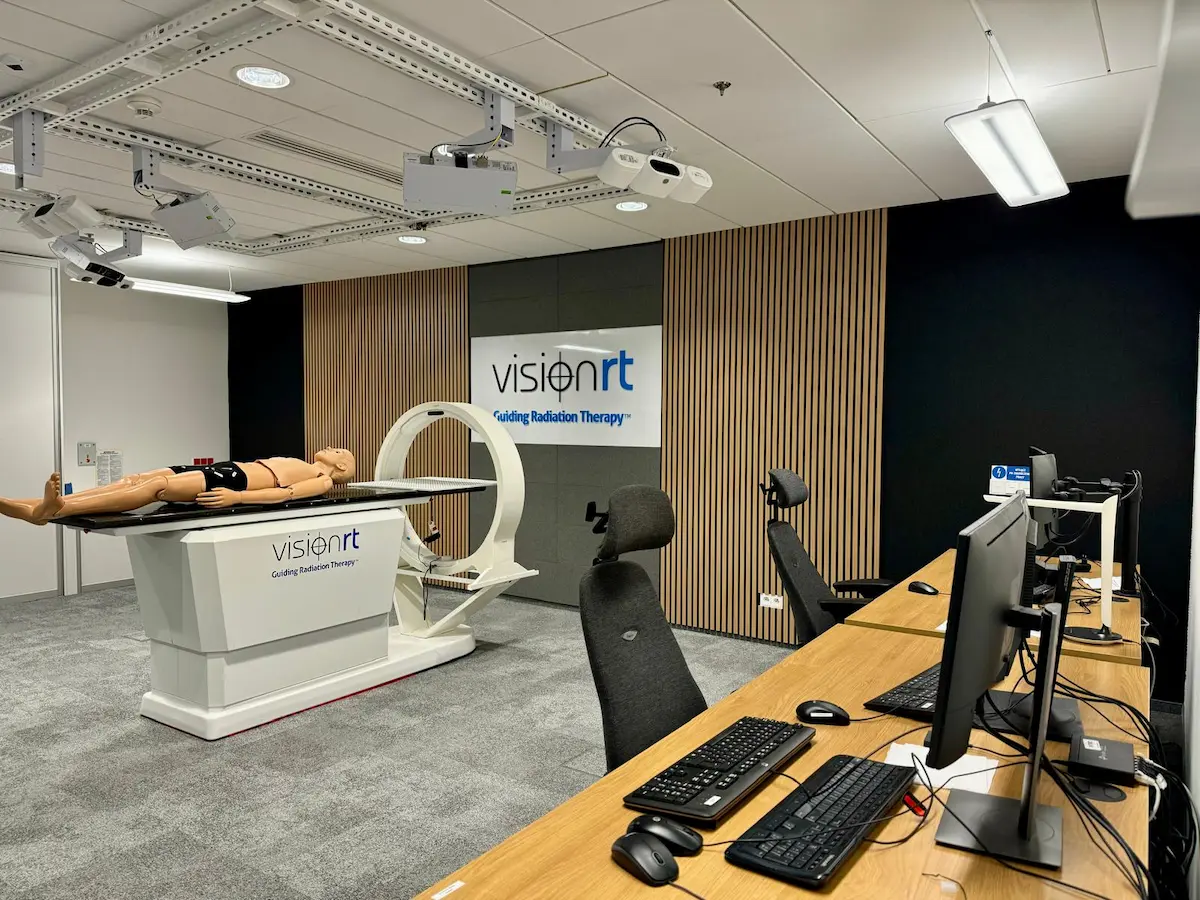
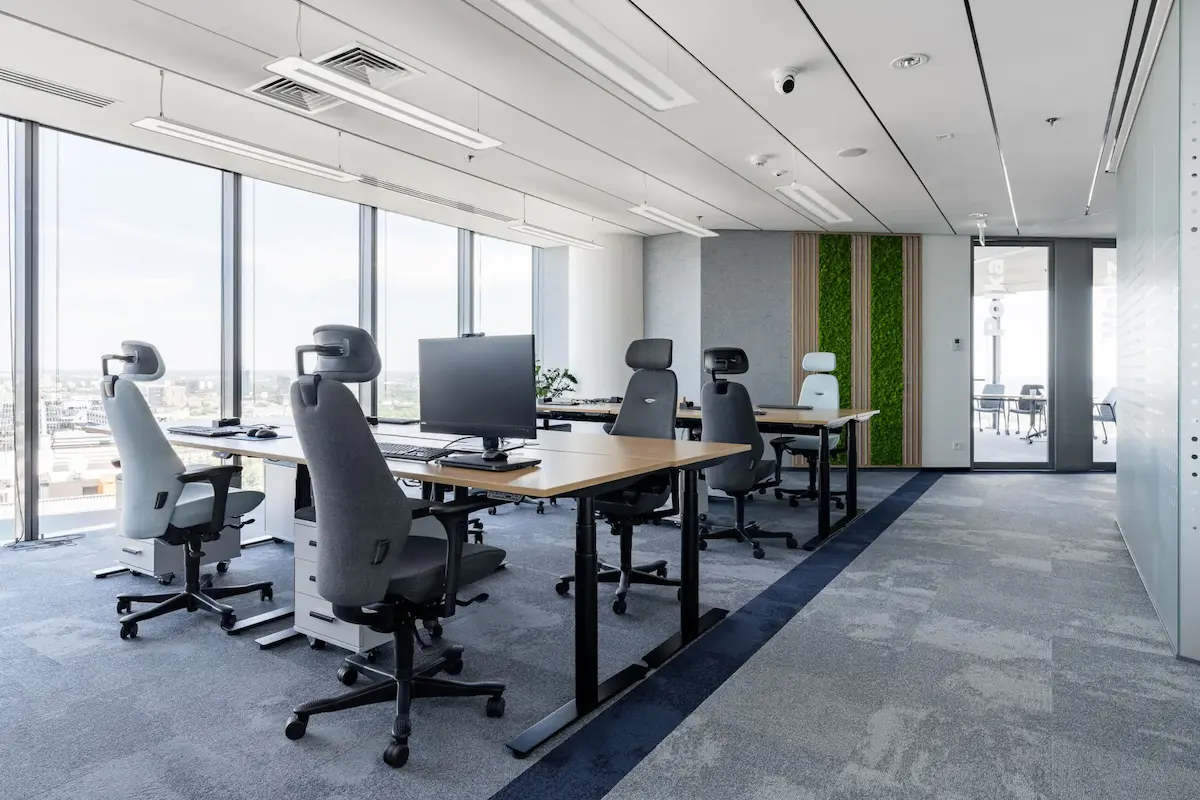
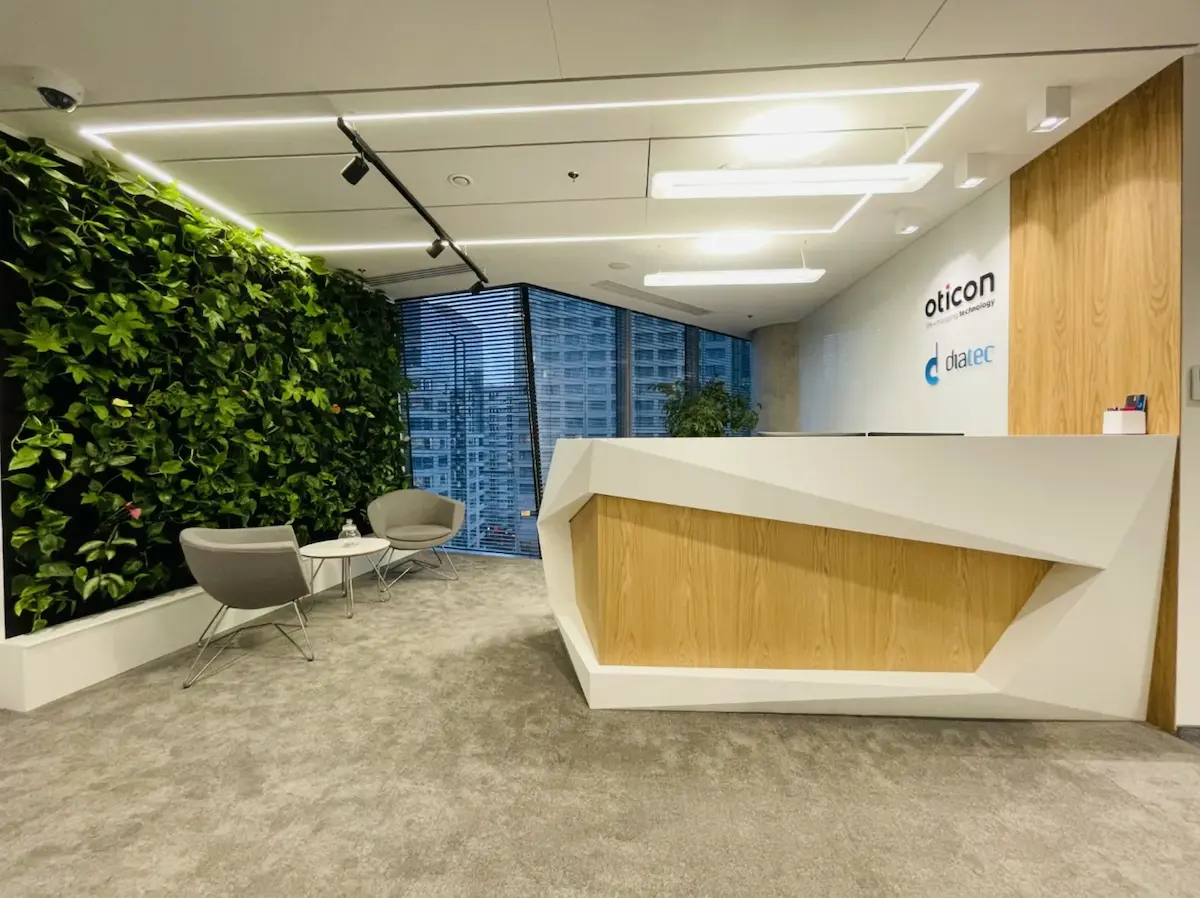
Send a floor plan and briefThe selected projects show different starting points, technical scopes and delivery models — from preparing a new space to adapting an existing office. Each example shows a specific challenge, Ecoffices’ responsibility and the result achieved after completion.
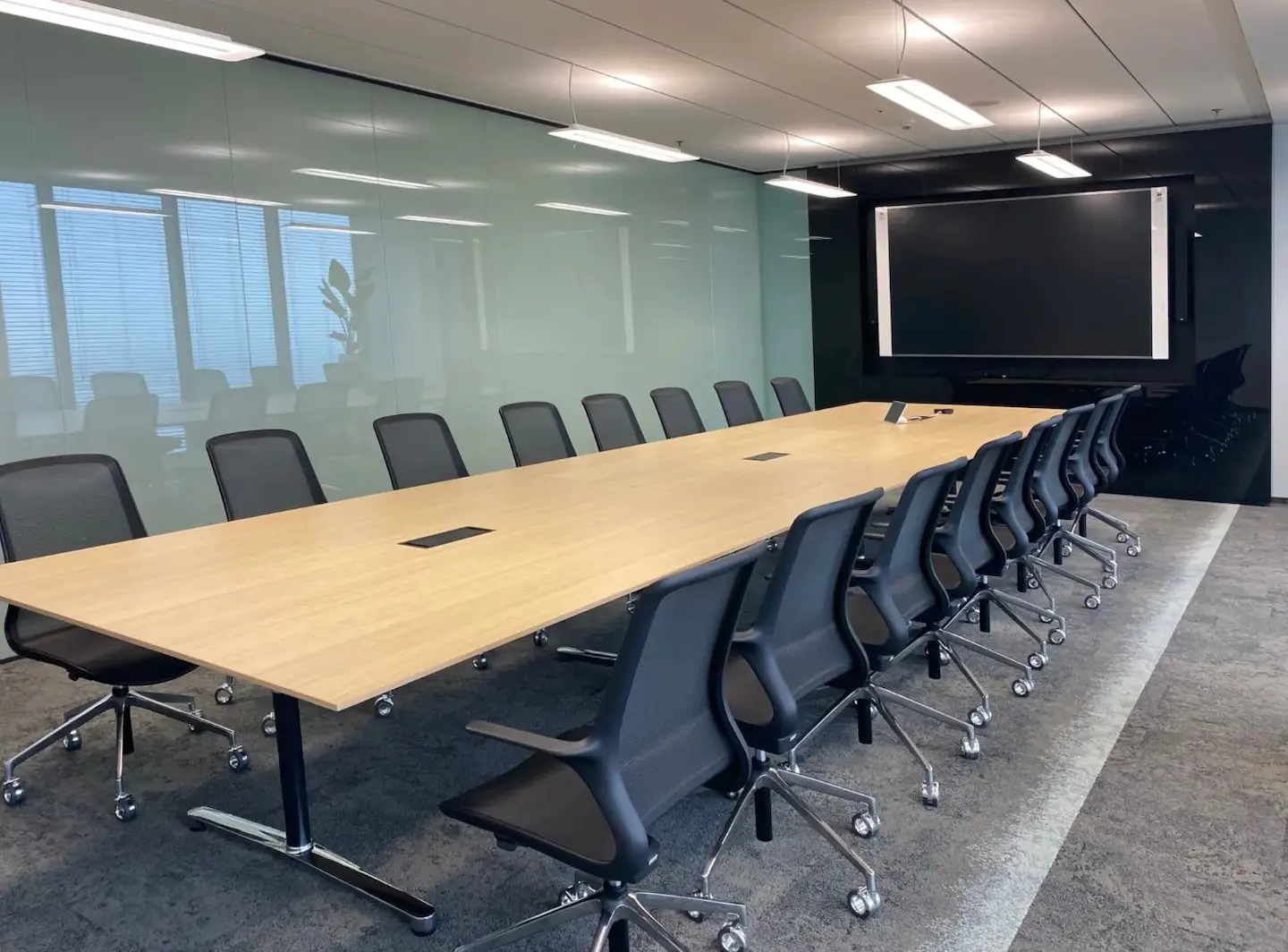
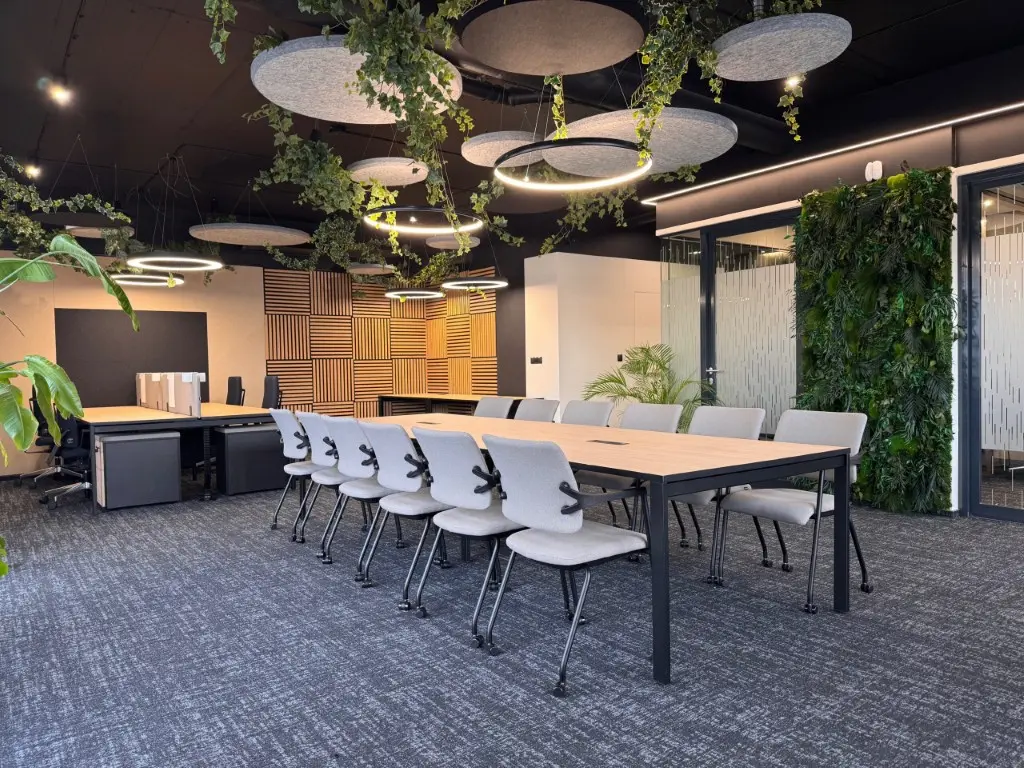
The starting condition, proposal scope, FF&E and building requirements affect cost and each party’s responsibility. Below we explain the key terms needed to discuss pricing and delivery. Full definitions, examples and differences between delivery models are covered in a separate guide.
The starting point defines design and delivery scope
Shell & Core means raw or very basic space. Cat A provides part of the building’s technical infrastructure but is still not a ready office. Before pricing, confirm exactly what exists and what remains in the tenant scope.
What does this mean in practice?The less prepared the space is, the greater the MEP, documentation and approval scope. The standard name alone is not enough to prepare comparable pricing.
What to watch for? Do not base the budget solely on the name of the space standard.
What to ask in the proposal? Ask for a clear list of existing, retained, modified and new elements.
Key takeaway Pricing should be based on the actual premises condition, not only its market label.
Cat B means the tenant’s target fit-out
Cat B includes the space layout, finishes, MEP adapted to the functions, FF&E and solutions required to launch an office for a specific organisation.
What does this mean in practice?A Cat B proposal should clearly state whether it also includes furniture, AV/IT, built-ins, signage, handovers and as-built documentation.
What to watch for? Cat B does not always mean a full FF&E and technology scope.
What to ask in the proposal? Ask whether the proposal includes FF&E, AV/IT, signage, testing and documentation.
Key takeaway The Cat B scope should end with a clearly defined handover outcome.
Hard fit-out and all-in show two different cost levels
Hard fit-out mainly covers construction and MEP works. The all-in option also includes FF&E, AV/IT, built-ins, logistics, process management and other elements required to open the office.
What does this mean in practice?Rates can only be compared after checking which elements are included in the price, which are optional and which remain outside the proposal.
What to watch for? Do not treat a hard-fit-out rate as the full budget for a ready-to-use office.
What to ask in the proposal? Ask for a clear cost breakdown into construction, MEP, FF&E and technology.
Key takeaway Scope transparency matters more than the name of the pricing model.
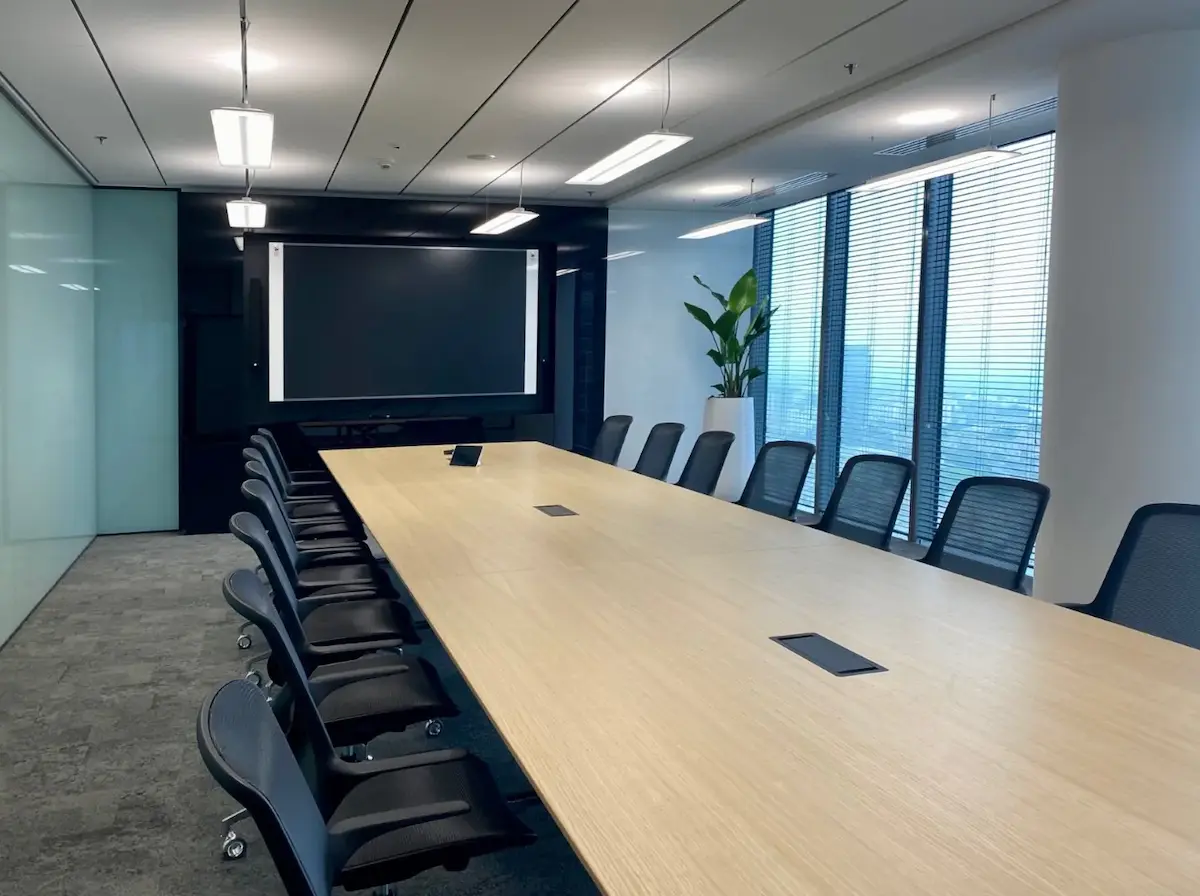
FF&E and technology must be coordinated with the design
FF&E covers furniture, built-ins and user equipment. AV/IT covers networks, multimedia, videoconference rooms, devices and technology solutions needed for daily work.
What does this mean in practice?Both scopes affect electrical systems, room layout, acoustics, furniture and the delivery schedule. They should not be added only after construction is complete.
What to watch for? Long lead times can affect the office launch date.
What to ask in the proposal? Ask who is responsible for design, procurement, installation, configuration and testing.
Key takeaway FF&E and technology are part of the operational readiness of the space.
Building approvals can affect scope and timing of works
Landlord approvals mean agreeing the documentation and method of carrying out works with the owner or building manager in line with technical, safety and logistics requirements.
What does this mean in practice?The procedure, required documents and approval time should be understood before the schedule is approved and procurement begins.
What to watch for? Landlord approvals should not be left until the end of the design process.
What to ask in the proposal? Ask about required attachments, nominated suppliers, approval times and rules for carrying out works.
Key takeaway Building approvals are part of delivery preparation, not a formality after design.
Compare proposals by scope and responsibility
A similar rate per square metre can cover completely different elements. Before choosing a proposal, check the premises condition, MEP, FF&E, technology, approvals, logistics and close-out documentation.
Need a fuller explanation of the terminology?
See the guide covering fit-out definitions, space standards, work scope, budget models and the delivery process.
Read the full guideWe have collected the key information needed before the first estimate: service scope, input data, budget, schedule, landlord approvals, FF&E and handovers. The exact scope is always confirmed after analysing the space and project documentation.
The scope can cover the entire process from needs analysis and design to construction, handovers and delivery of a ready-to-use office.
At the start, a basic set of information is enough to define the starting point and scale of the investment.
Cost is driven primarily by the starting condition, office programme, MEP scope and selected standard.
Timing is confirmed after analysing the space, documentation scope, building procedures and deliveries.
Finishing is one part of fit-out, not its whole scope.
A fit-out connects the layout, our own design, building services, construction and handover. Painting, replacing carpet or refreshing surfaces alone does not resolve the relationships between occupancy, ventilation, power and building requirements.
Ecoffices delivers this process through Design & Build. Equipment for a turnkey office is defined in the agreed offer.
We can build on an existing concept, but we develop and take responsibility for our own detailed design.
We review the brief, existing space, building services and landlord requirements. We then coordinate the disciplines and agree the design, scope, budget and programme.
We do not offer construction-only services or standard construction quotations based on another firm’s completed design.
Yes. FF&E and technology can be planned, priced and coordinated with construction and MEP works.
Closing the process includes handover inspections, snag closure and delivery of documentation relating to the completed investment.
For the first conversation, a floor plan, approximate number of users, premises condition and planned move-in date are enough. On this basis we will define the required design scope, approvals, delivery approach and data needed to prepare the budget.
Tell us about the space, your team’s needs and your target date. You can attach a floor plan or concept as a starting point for discussing design and delivery.
+48 662 066 347[email protected]