OFFICE DESIGN WARSAW

CONCEPT CONCEPT CONCEPT  ·  SOLUTIONS SOLUTIONS SOLUTIONS
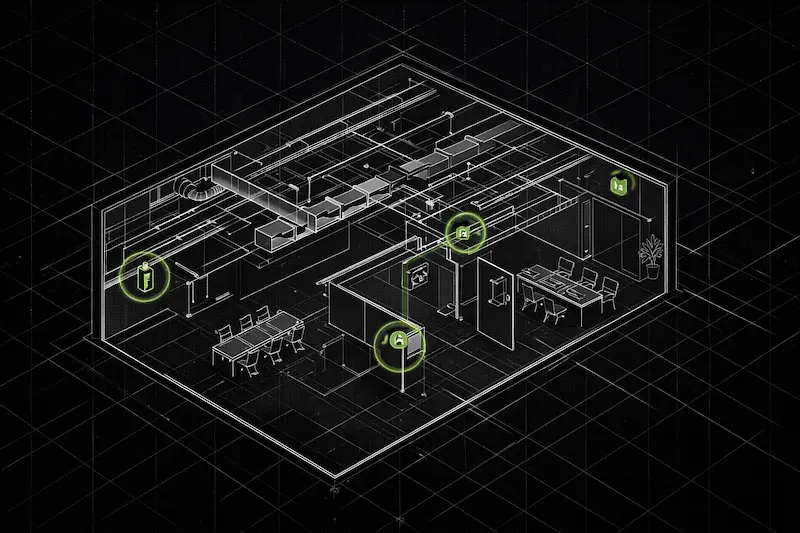
Office design in Warsaw is delivered as a structured process: from needs analysis and briefing, through space planning and concept design, to detailed design documentation prepared for implementation. Key decisions are made at the start — area, standard, functional layout, and the building’s technical constraints. A well-prepared design reduces costly changes during the construction phase. Below we show how office design in Warsaw works in practice — step by step, taking into account the realities of Warsaw office buildings, approvals, and the project schedule.

Projekt biura Warszawa — zakres usługi

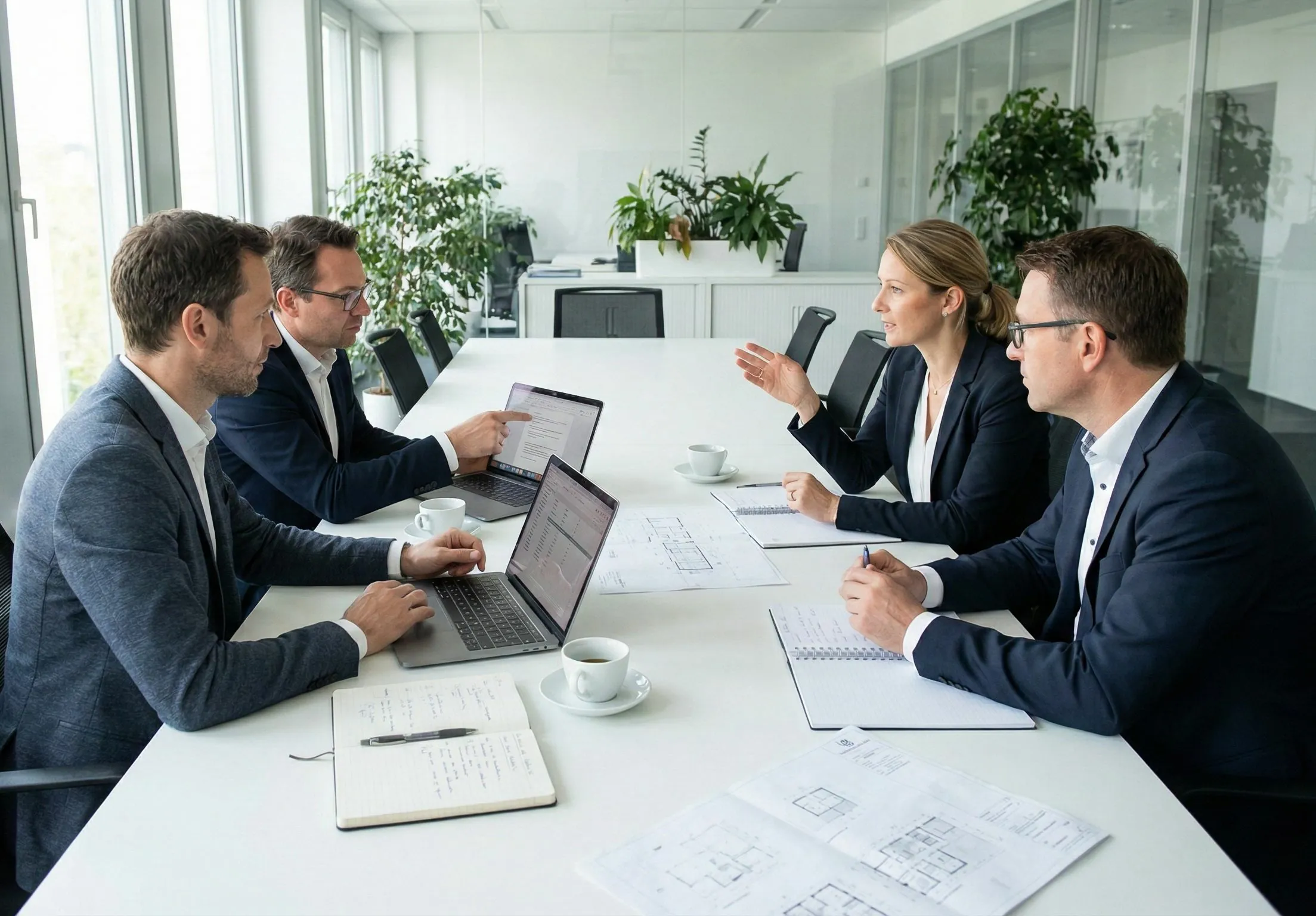
Workplace analysis

We identify how your organization works so the design is built around a real working model.

Workplace analysis
We review how the team operates and the building constraints so decisions are accurate and measurable.
  • headcount and attendance model
  • functional program and team needs
  • budget, timeline, and project priorities

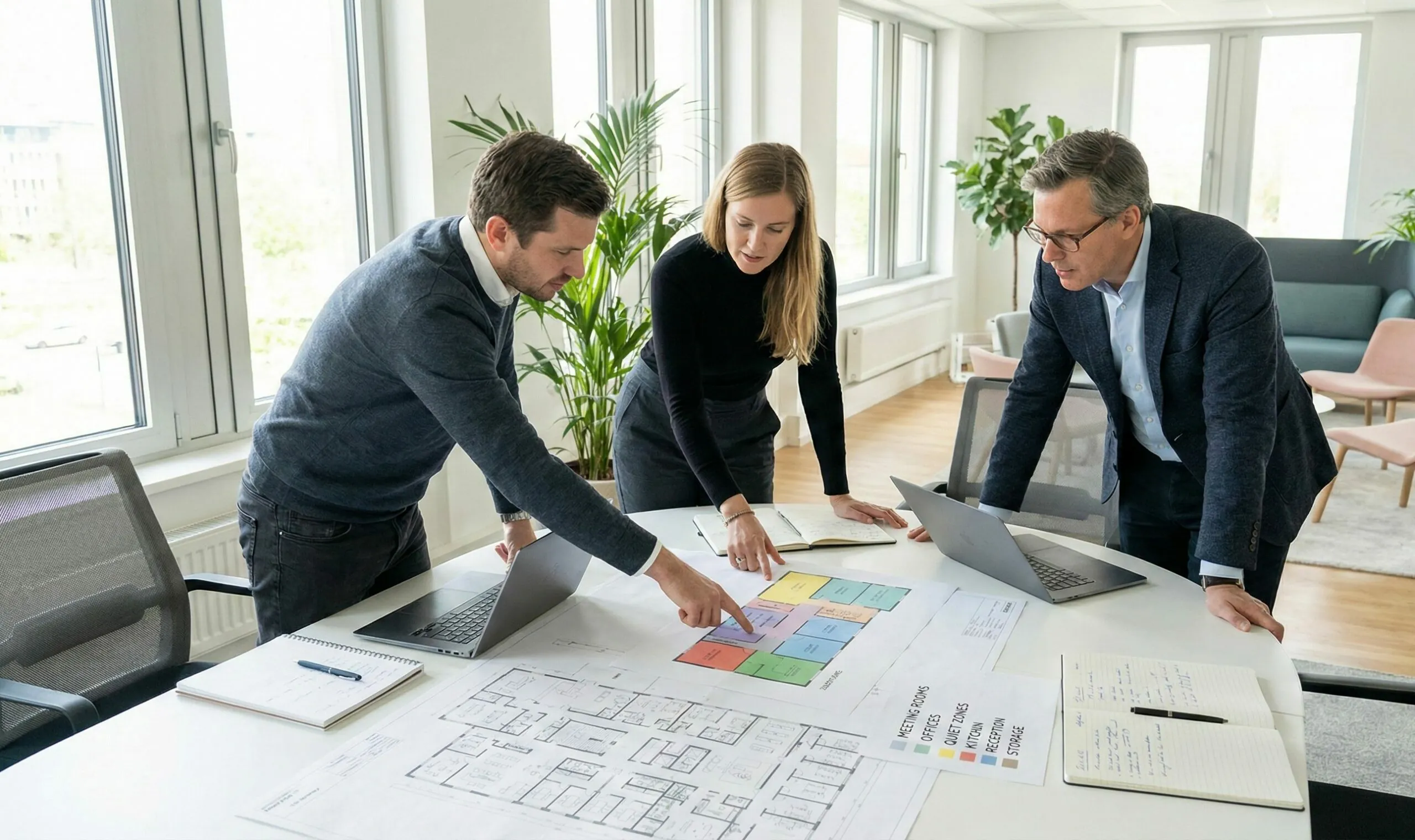
Functional design (space plan)

We develop an office layout tailored to the team’s day-to-day work.

Functional design (space plan)
We structure the layout so ergonomics, circulation, and capacity perform predictably.
  • work and circulation zoning
  • ergonomics of workstations and meeting rooms
  • layout options and capacity testing

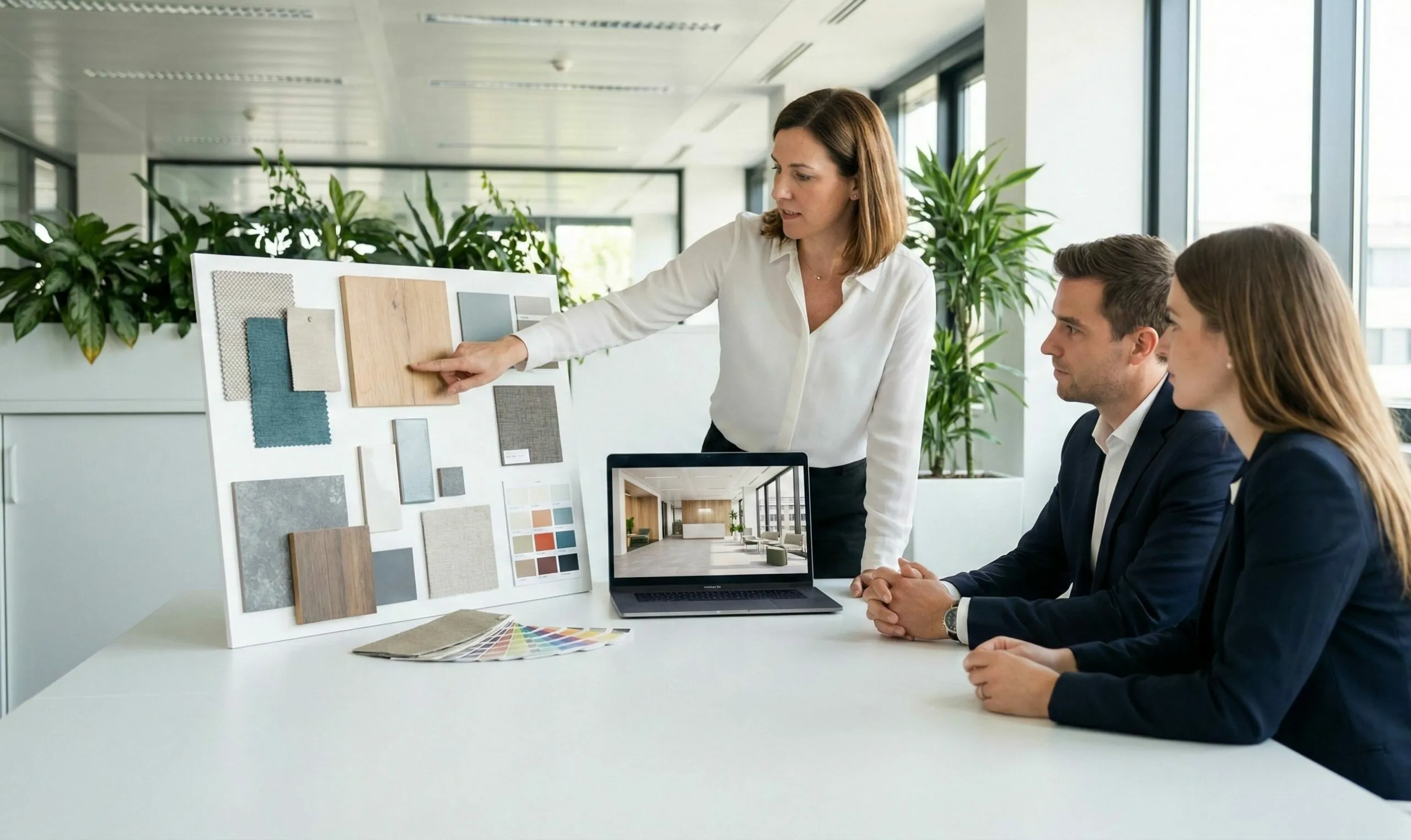
Concept design

We define the aesthetic direction and a standard aligned with your budget.

Concept design
We define materials and solutions that are feasible within the timeline and the budget.
  • material and detail direction
  • acoustics and lighting assumptions
  • visualizations of key zones

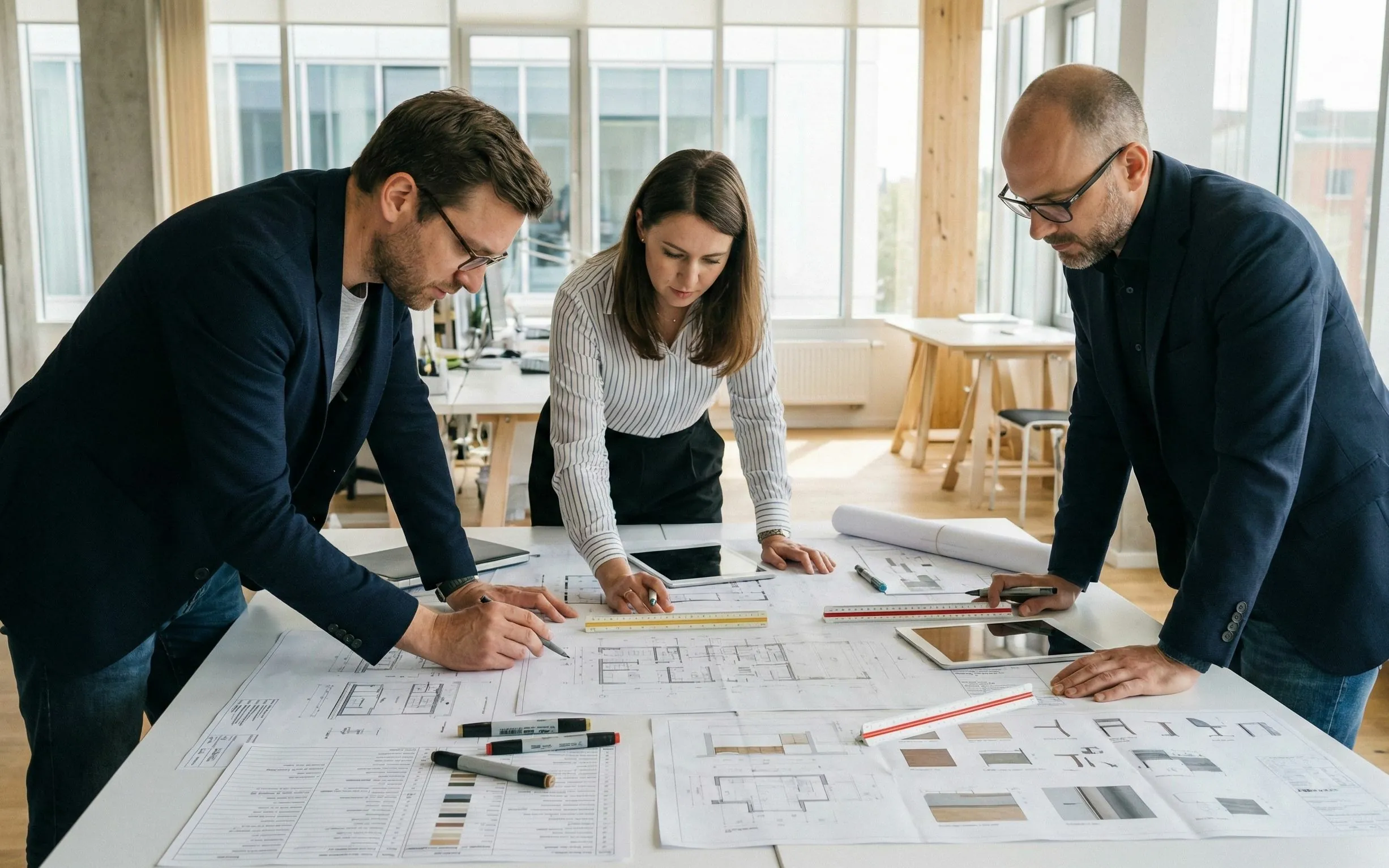
Multi-discipline detailed design

We prepare detailed documentation exclusively for projects delivered by Ecoffices.

Multi-discipline detailed design
We produce detailed documentation in a “design + build” model to reduce revisions and clashes.
  • drawings and schedules for execution
  • on-site discipline coordination
  • updates in as-built documentation

Discipline coordination and approvals

We ensure the design complies with Warsaw office building procedures.

Discipline coordination and approvals
We keep approvals moving smoothly and eliminate cross-discipline clashes.
  • HVAC, electrical, and IT coordination
  • clash checks for building services
  • alignment with fit-out guidelines

Support during delivery and supervision

We supervise the build so the outcome matches the design.

Support during delivery and supervision
We monitor quality and on-site decisions so the result is predictable.
  • execution consultations
  • approvals of materials and substitutions
  • support during handover

How does an office design project in Warsaw work? A step-by-step process

An office design project in Warsaw is a structured process that combines needs analysis, design work, and preparation for smooth delivery into one coherent path. Every stage matters — from the first brief, through the space plan and discipline coordination, to a complete detailed design package ready for pricing and implementation. Key decisions are made early: defining the area, standard, functional layout, and the building’s technical constraints helps avoid costly changes during construction. Below we show how an office design project works in practice — step by step, taking into account the realities of Warsaw office buildings, technical approvals, and the project schedule.
Workplace analysis and project brief Space plan and functional layout Interior concept and standard Office detailed design Discipline coordination and approvals Support during delivery and author’s supervision

Workplace analysis and project brief

We begin by structuring key assumptions and constraints: working model, goals, standard, budget, and building guidelines. This ensures the office design project in Warsaw starts in a predictable way — with clear priorities and reduced risk of changes in later stages.

  • Headcount, attendance model, and type of work (focus vs. meetings).
  • Functional program: meeting rooms, private offices, quiet zones, kitchen/coffee point, reception.
  • Technical and logistical constraints of the building.

Space plan and functional layout

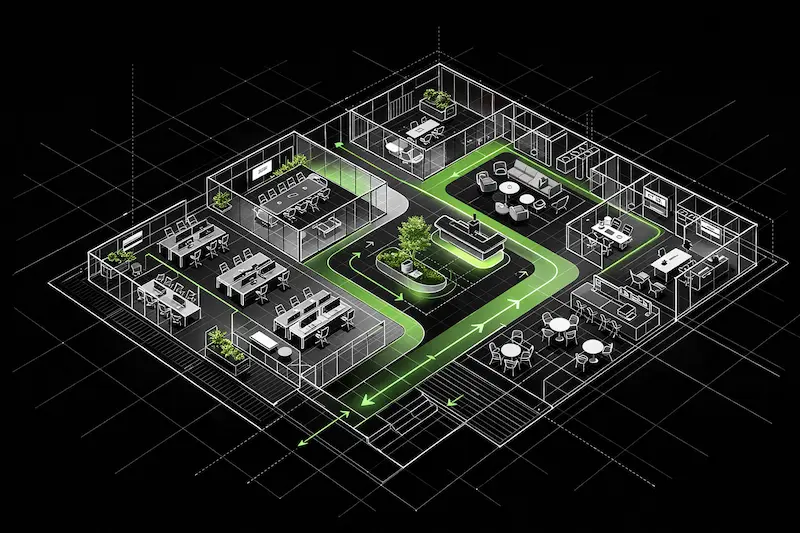
We design the office layout around daily work: ergonomics, acoustics, circulation, and zoning logic. This is the foundation — if the space plan is right, the following stages are faster and more predictable.

  • Zoning: focus / collaboration / social / support.
  • Circulation and movement paths for team members and visitors.
  • Capacity verification and alternative layout options (when needed).

Interior concept and standard

We define the aesthetic and material direction ready for implementation — aligned with function, comfort, and brand identity. This is where the office gains character while remaining under budget control.

  • Moodboard, materials, details, and finishing direction.
  • Standard definition for key zones: meeting rooms, kitchen/coffee point, focus rooms, open space.
  • Preliminary assumptions for lighting and acoustics.

Office detailed design

We translate the concept into documentation that contractors can work with confidently. Drawings, schedules, and standards reduce errors, revisions, and budget or timeline discrepancies.

  • Detailed drawings and technical guidelines.
  • Material and element schedules (for inquiries and procurement).
  • Quality standards for on-site control.

Discipline coordination and approvals

We ensure cross-discipline consistency and compliance with building procedures to avoid clashes, delays, and approval issues. In Warsaw office buildings, this is often key to smooth coordination with property management.

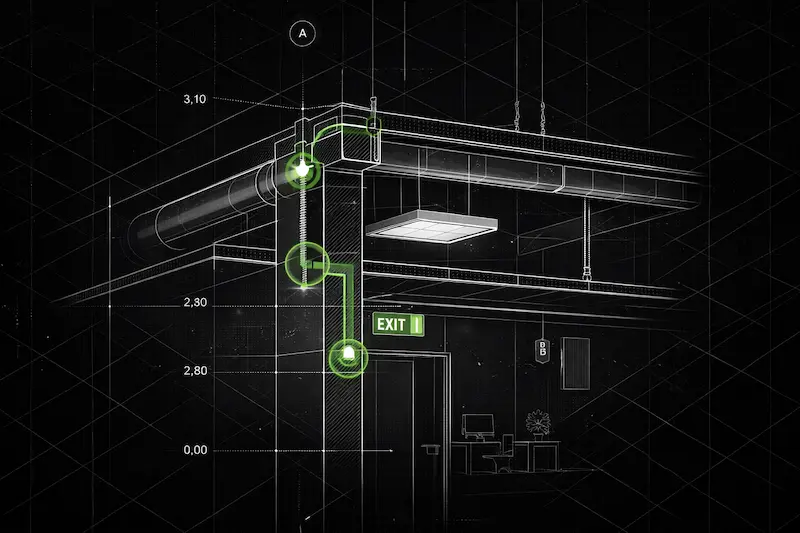
  • Coordination of HVAC, electrical, low-voltage systems, IT/AV, and fire protection (as required).
  • Verification of installation clashes and solution consistency.
  • Alignment of documentation with building fit-out guidelines.

Support during delivery and author’s supervision

If you proceed to implementation, we close the project on site: decisions, substitutions, and detail quality — before anything is finalized. This ensures the build remains aligned with the design assumptions and the final result is predictable.

  • Execution consultations and responses to the general contractor’s queries.
  • Approval of materials and alternative solutions.
  • Support during handover and final documentation close-out.

Explore our office design projects in Warsaw

What you receive as part of the office design project

We deliver a project prepared for efficient implementation — from functional planning and concept design to complete multi-discipline detailed documentation, including all required approvals.

Functional design

Zoning, circulation, and how the space works — aligned with the team’s working model.

Concept design

Aesthetic direction, standard, and material solutions that fit a realistic budget and timeline.

Multi-discipline detailed design

Implementation-ready documentation: interior architecture + discipline coordination (as required by scope).

Fire safety and H&S approvals

Preparing and managing required approvals and formal requirements so the project moves forward without delays.

Cost of an office design project in Warsaw — what it depends on

We deliver **office design projects in Warsaw** as a coherent, structured process — from functional concept and space planning, through interior design, to preparing documentation for efficient fit-out implementation. We design with ergonomics, workplace efficiency, and long-term durability in mind, ensuring the space genuinely supports how teams work and the organization’s long-term objectives.

Cost of an office design project in Warsaw — pricing factors and stages

The architect’s fee depends on the clarity of the initial brief. Developing a functional model (space plan) and test-fits for a shell & core office requires time and analytical work.
  • Undefined number of workstations and meeting rooms → need for multiple layout variants.
  • No decision on finishing standard → material and budget changes during the process.
  • Frequent concept revisions → repeated adjustments to column grid and building systems.

A larger leased area means more drawings. The more subdivided (cellular) or irregular the floor plan, the higher the design cost due to the number of details involved.
  • High number of rooms = more wall layouts, door schedules, and connection details.
  • Irregular building architecture requires bespoke furniture and built-in solutions.
  • Special zones (reception, chill-out, boardrooms) require dedicated design input.

A comprehensive detailed design (architecture + engineering disciplines) minimizes construction risks but requires intensive coordination and significant design hours.
  • Detailed sections, elevations, and material schedules (BOQ) increase workload.
  • Coordination of HVAC, electrical, IT/LAN, fire alarm, voice alarm, and BMS systems in ceiling and floor zones.
  • Advanced acoustics and multimedia require additional specialist input.

Class A office buildings in Warsaw have strict technical guidelines (fit-out guidelines). The designer must align the vision with landlord requirements and fire safety consultants.
  • Building standards impose specific material, installation, and H&S solutions.
  • Lengthy documentation approval processes with the landlord extend design timelines.
  • Need for surveys and adaptation of base building systems.

An accelerated (fast-track) schedule requires parallel work by a larger design team. Delays in client decisions generate costly revisions in multi-discipline documentation.
  • Time pressure requires greater resources and faster approval paths.
  • Changes introduced at detailed design stage trigger cascading revisions across all engineers.
  • Support in the general contractor tender process is an additional service scope.

How long does an office design project in Warsaw take — schedule

A comprehensive office design project typically takes 6–12 weeks — from the start of concept work to the delivery of complete detailed documentation ready for implementation.
Below, we present the 3 project stages, along with typical time ranges and the factors that most often extend the schedule.

Typically 1–2 weeks
Analysis + brief + space plan (functional design)
1 2 wks +0–0

Why Ecoffices

Ecoffices delivers office design projects in Warsaw in a “design + build” model. We structure the process from analysis and space planning, through concept design and discipline coordination, to on-site delivery support. We prepare multi-discipline detailed documentation exclusively when we are also responsible for executing the fit-out. This ensures decisions are measurable, the schedule is predictable, and the budget remains under control — from the initial assumptions to handover of the completed space.

FAQ — Office design Warsaw

The most frequently asked questions about office design in Warsaw: scope of work, cost, timeline, and organization of the design process.
What does an office design project in Warsaw include?

An office design project in Warsaw typically includes: a brief and needs analysis, functional layout (space plan), interior concept (materials, ergonomics, standard), and documentation prepared for pricing and implementation. Depending on scope, it may also include: acoustics, lighting, AV, glazing, furniture, and built-ins.

To tailor the scope precisely, we need a few inputs: headcount and attendance model, meeting room program (capacities), private offices, kitchen/coffee point, expected standard, and the planned relocation date.

What does the cost of an office design project in Warsaw depend on?

The biggest drivers are: functional program complexity (number of rooms, meeting rooms, glazing), level of detail, scope of discipline coordination (HVAC/electrical/IT/fire safety), building requirements, and project pace.

For questions like “office design cost in Warsaw per m²”, the key is whether you need concept + space plan, or a full detailed design package with drawings, details, and schedules for contractor pricing.

How long does an office design project take, and what affects the timeline?

The schedule depends mainly on decision-making speed on the client side, availability of input data (drawings, building guidelines), number of disciplines, approval requirements, and lead times for solutions assumed in the design.

In practice, it’s not the area but the layout complexity (meeting rooms, glazing, acoustics, AV, kitchen/coffee point) that most often determines how long it takes to prepare the documentation.

Can you design an office for phased delivery in a live office?

Yes — in this case, we design by zones and phases, including a relocation plan and minimising downtime. Key factors are logistics, acoustics, safety, and work sequencing to avoid rework and changes in already completed areas.

The best approach is: define phases and functions first, then refine details and materials for each zone.

What is the difference between a space plan and a detailed design package?

A space plan is the functional layout: placement of workstations, meeting rooms, private offices, kitchen and shared zones, area verification, and basic ergonomic assumptions.

A detailed design package is documentation ready for pricing and implementation: drawings, sections, details, schedules, discipline coordination, and installation guidelines. This is what minimizes risks during construction.

What do you need to start an office design project in Warsaw?

To start, we need: area and location, a short brief (headcount, meeting rooms, private offices, kitchen/coffee point, storage), expected standard, and planned timeline.

Very helpful inputs include: floor plan, ceiling heights, information on available services, and building guidelines (fit-out guidelines). The better the input, the tighter the ranges, faster decisions, and smoother design process.

How do approvals work in Warsaw office buildings?

Approvals depend on the building and the property manager’s procedures: fire safety requirements, BMS/fire alarm systems, common area standards, and the documentation review path. They are most often slowed down by missing input data or non-compliance with building guidelines.

A good rule is to run approvals in parallel with design, not only at the end — this reduces rework risk.

What most often increases the fit-out delivery budget?

Most often: glazing and doors (system, acoustics), acoustic solutions (ceilings, panels, partitions), bespoke joinery, AV requirements, and an unstable functional program (changes during the process).

That’s why we manage the design so decisions are measurable: standard variants, clear engineering assumptions, and closing key choices early.

Can an office design project be accelerated (fast-track)?

Yes — it requires parallel work across the team (disciplines + details) and an efficient decision process on the client side. The biggest delays usually come from missing input data and changes during the process.

Fast-track works best with a short brief, quick closure of the space plan and standard priorities, and earlier initiation of building approvals.

How do you compare office design offers in Warsaw?

Compare not only the price, but above all the scope: does it include space plan, concept, detailed design, discipline coordination, details, schedules (BOQ), and support with building approvals.

A strong offer clearly defines: stages, assumptions, documentation scope, and how changes are managed — to avoid uncontrolled scope creep.

Do you deliver multi-discipline detailed design as a standalone service?

You can order concept design as a standalone service. However, multi-discipline detailed documentation is prepared only within a Design & Build model, when Ecoffices is also responsible for fit-out delivery.

This reduces the risk of clashes and endless revisions during construction. Some changes are resolved operationally on site and then captured in the as-built documentation — faster and more cost-effective for you.

Przed Po
BEFORE
AFTER
HOW CAN WE
HELP YOU?
We are a partner in office design and fit-out delivery. We support investors at every stage of the process — from concept and design to the efficient execution of office spaces tailored to the real needs of the organization.