Design and documentation
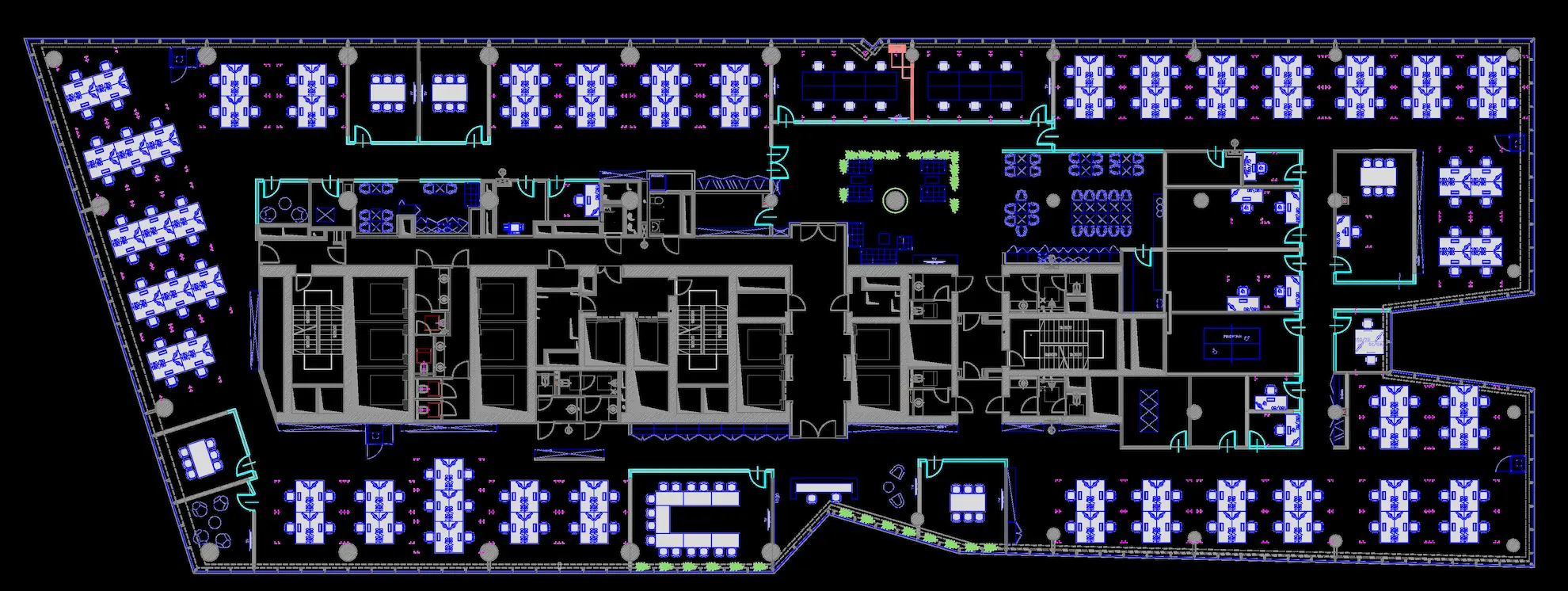
The design layer includes interior architecture, workplace design, HVAC design, electrical design, low-current systems,
plumbing and fire safety documentation. This is a relatively small share of CAPEX, but it has a very large influence on whether
the later construction and MEP works remain predictable in cost.
Most common investor mistake: treating design as a minor budget add-on instead of a layer that drives execution cost and reduces change risk during the works, including multidisciplinary clashes, coordination issues and difficult routing of installation ducts.
Construction works
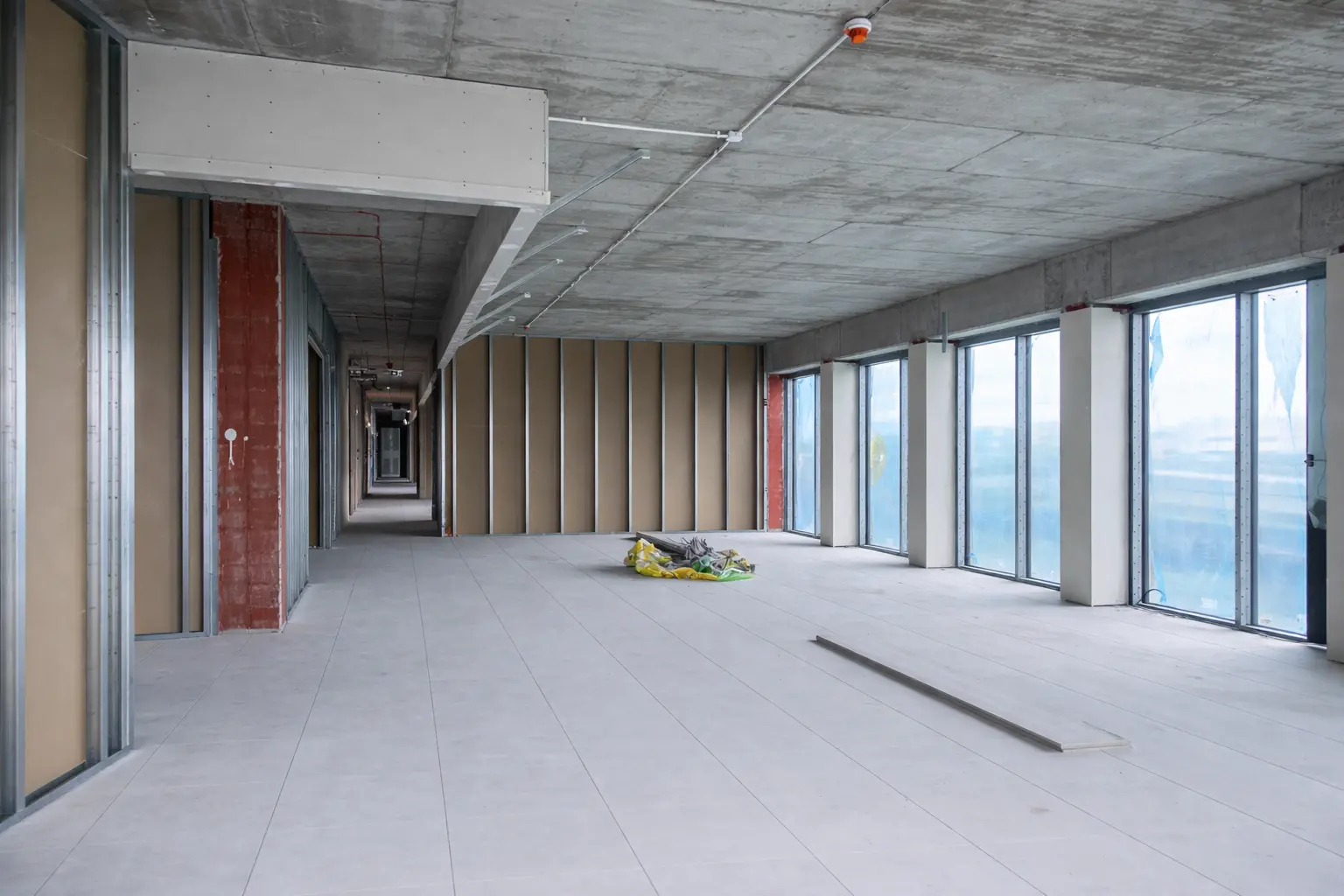
This layer includes the general contractor, partition walls, drywall enclosures, ceilings, floors, carpets, tiles,
painting and finishes. The cost of this layer grows with the number of enclosed rooms and offices, the finishing standard,
difficult logistics and the level of changes relative to the existing condition, especially when starting from Shell & Core.
Most common investor mistake: looking only at the general contractor price without understanding how the office layout, number of partitions, material standard, compressed programme and difficult logistics scale both cost and execution time.
Technical installations (MEP)
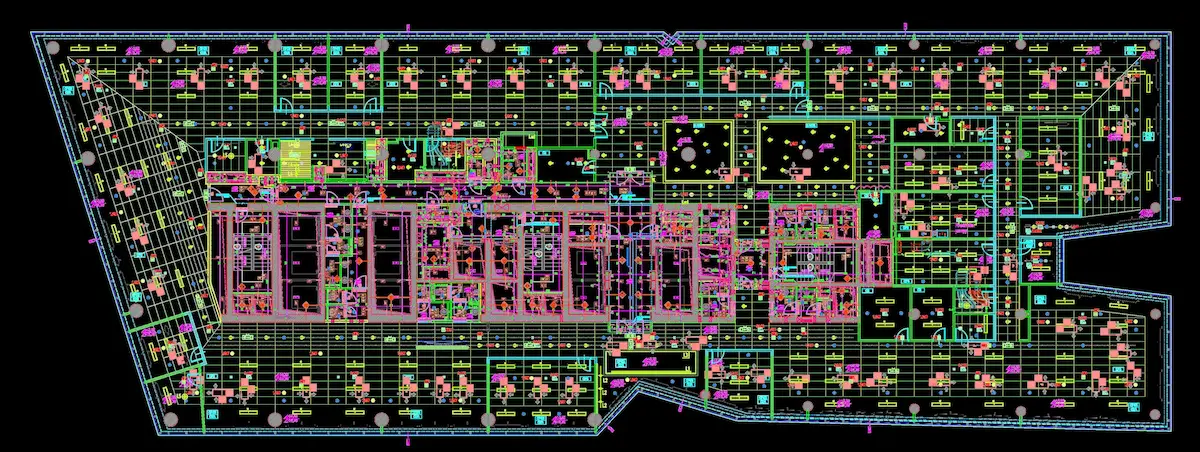
Technical installations are usually one of the most cost-intensive layers of fit-out. They include ventilation, air conditioning,
refrigerant systems, plumbing, electrical works, LAN (structured cabling) and lighting systems, including DALI standard.
A high HVAC standard, many small rooms and advanced technologies such as VC rooms, room booking or AV integration can very quickly
increase the CAPEX of this part of the project.
Most common investor mistake: underestimating HVAC and electrical scope when the office layout is ambitious. These installations are often what overturn the original cost assumptions.
Building systems and fire safety
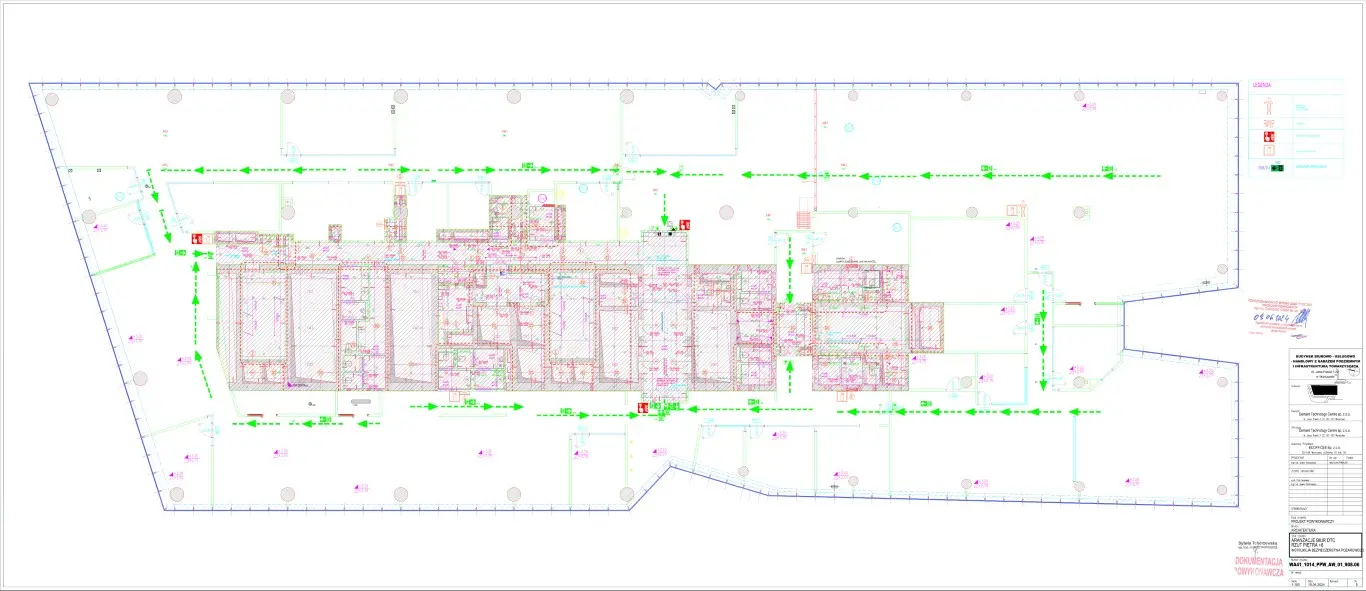
This layer includes sprinklers, fire alarm systems, voice alarm systems and BMS.
It is the area that often becomes most visible during landlord approvals, fire consultant reviews
and final building handovers. The percentage share may be moderate, but new detectors, changes to fire zones and interventions in building systems
can significantly delay the project.
Most common investor mistake: checking building requirements and landlord guidelines for fire alarm, voice alarm, BMS and sprinkler systems too late.
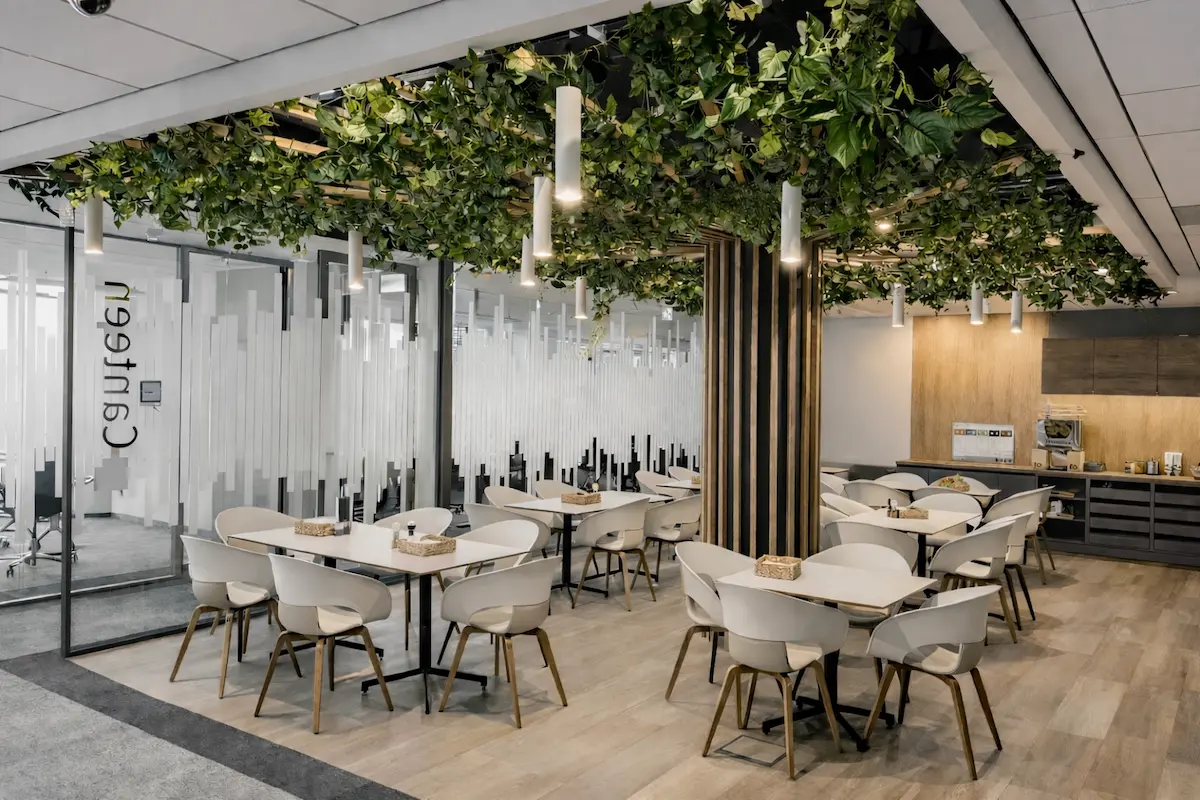
Office furniture, FF&E and bespoke joinery
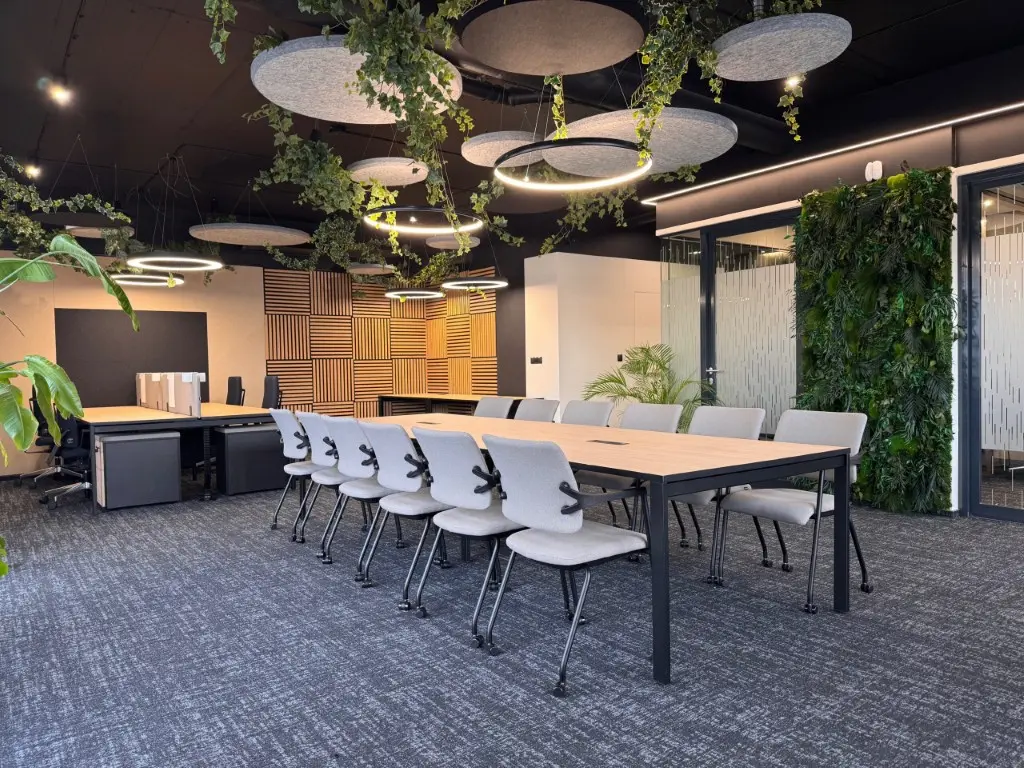
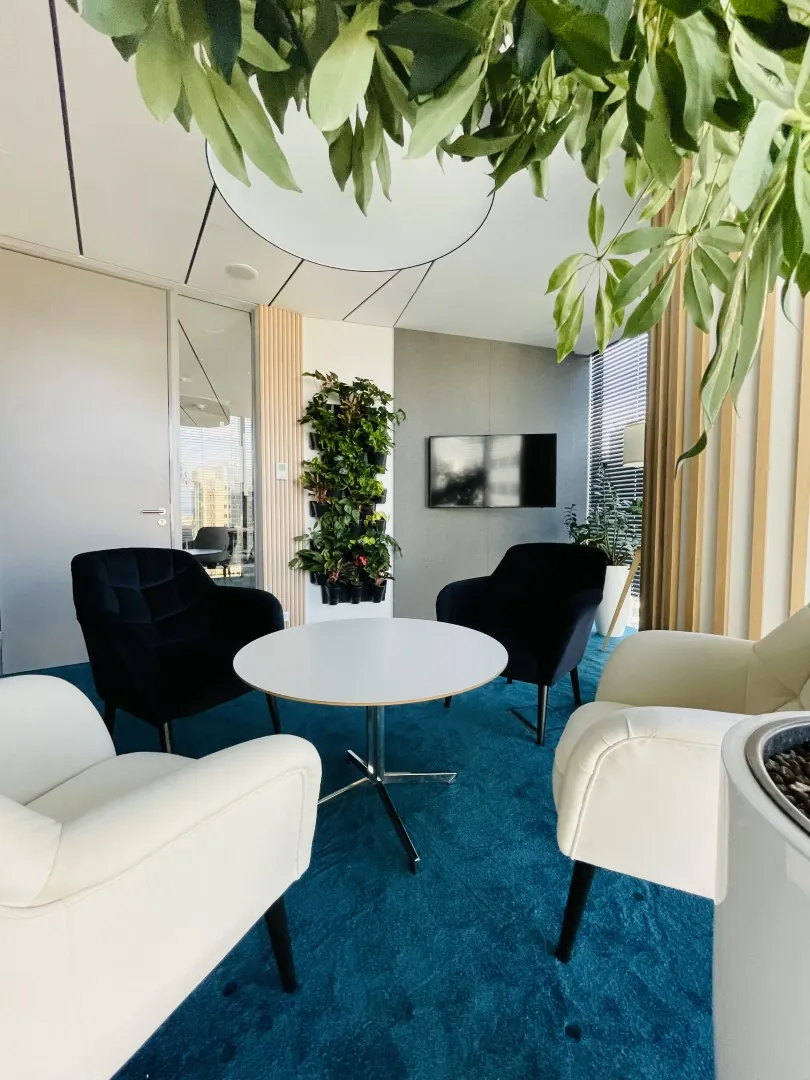
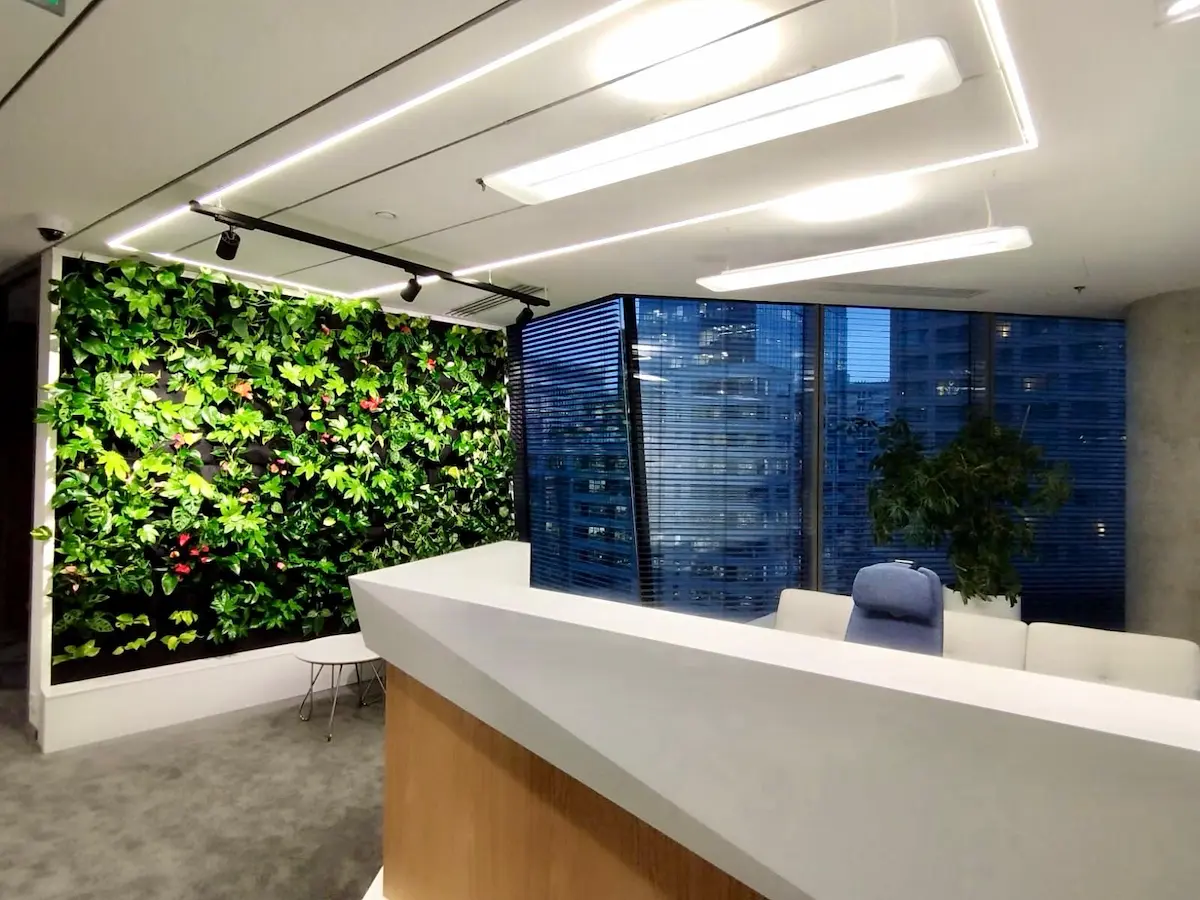
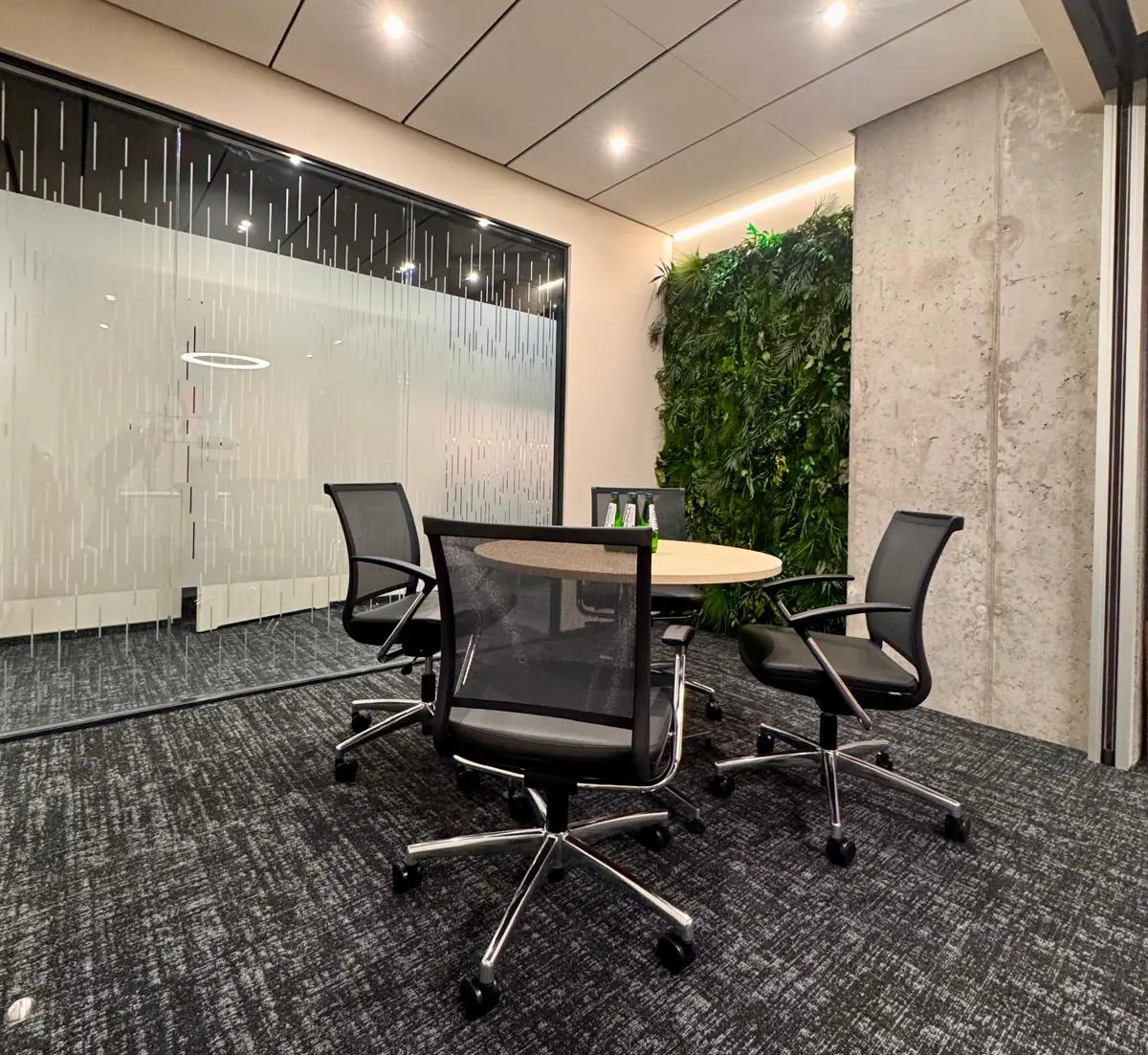
This layer includes glass partitions, door systems, mobile acoustic walls, bespoke joinery
(receptions, kitchens, wardrobes), as well as office furniture, soft seating and other FF&E components.
This is exactly the point where a project can easily shift from mid-range to premium. Full furnishing and extensive bespoke elements
have a very strong effect on the final fit-out budget, especially in the All-In model.
Most common investor mistake: adding glass, complex joinery and premium furniture only at the end, as if they were not part of the main CAPEX.
Operational layers and handover
Operational layers include office and server relocation, IT infrastructure, building handovers and permission to occupy.
These items are less visible in renders and material tables, but for the investor and CFO they are critical because they determine
whether the office can be launched safely on time and whether business continuity is preserved.
Most common investor mistake: looking at CAPEX without adding the cost of the move itself, IT coordination and the risk of delays in formal handovers.