Comprehensive office design | Ecoffices

We design offices that organize decisions and accelerate your company’s growth

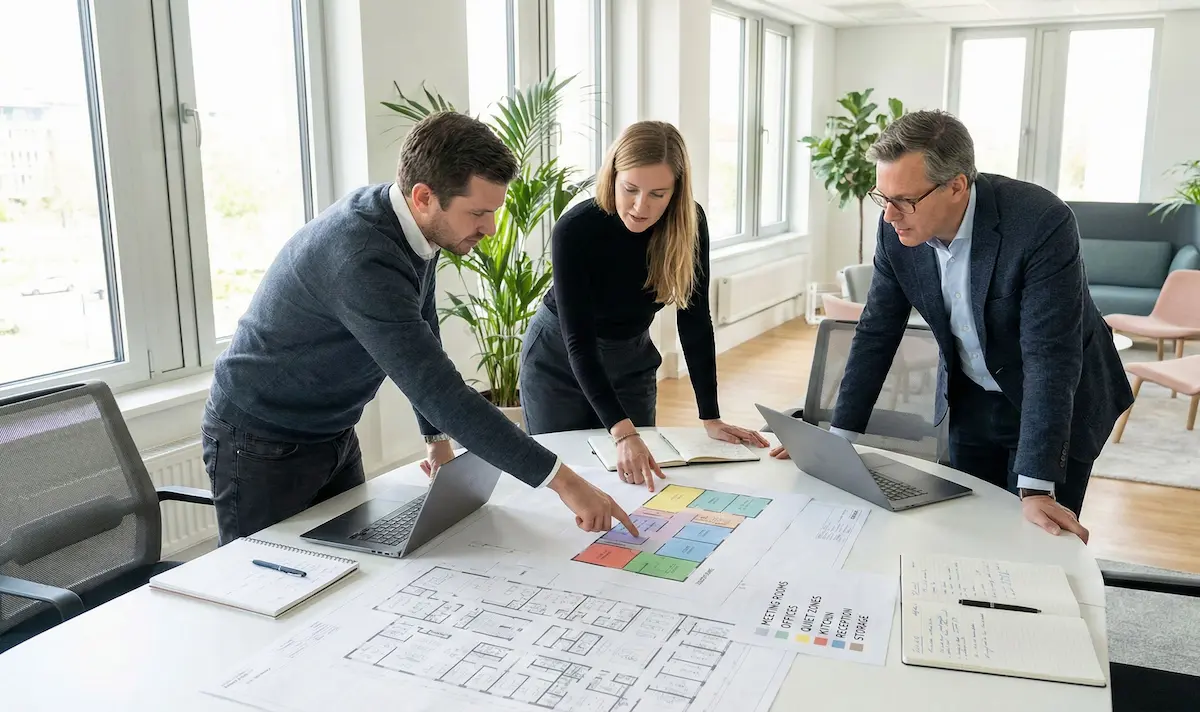
We create workspaces for companies looking for an attractive concept, full budget control and a smooth transition to Design & Build delivery. Regardless of your current stage, we will match the optimal solution: from the Eco Layout arrangement, through the full Eco Vision concept, to complete Eco Blueprint documentation.

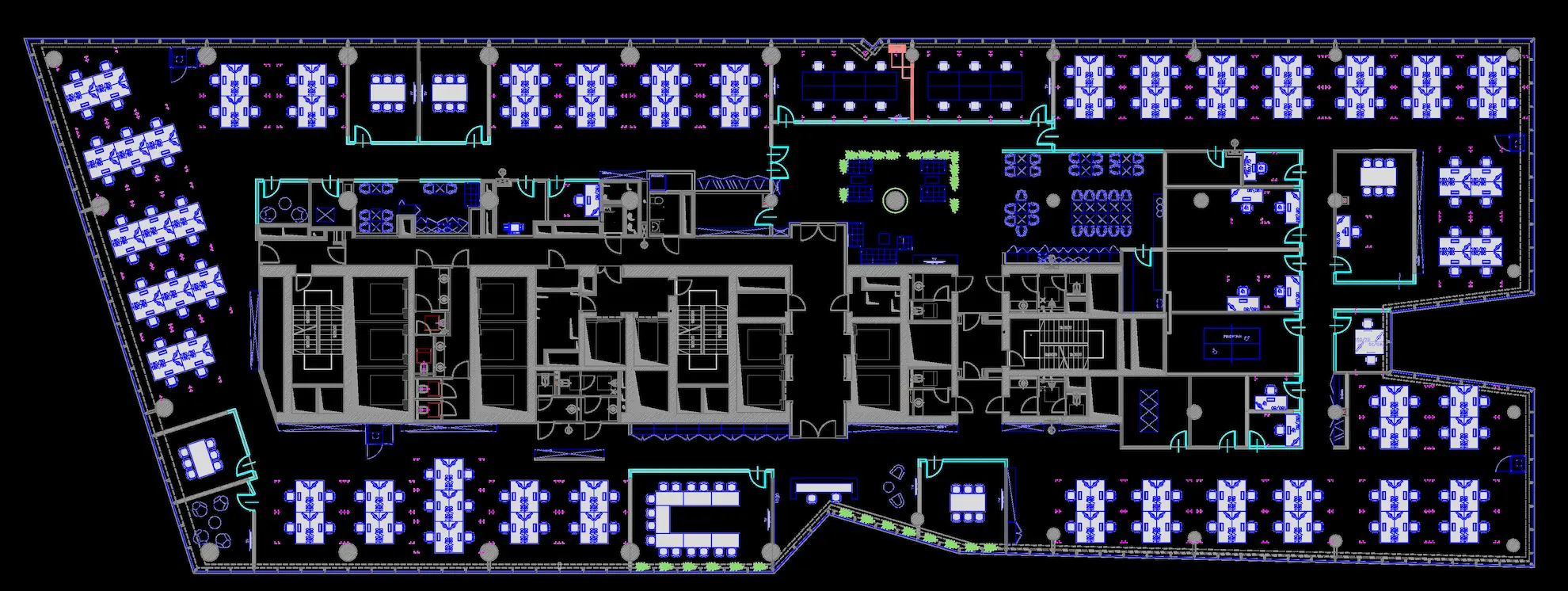
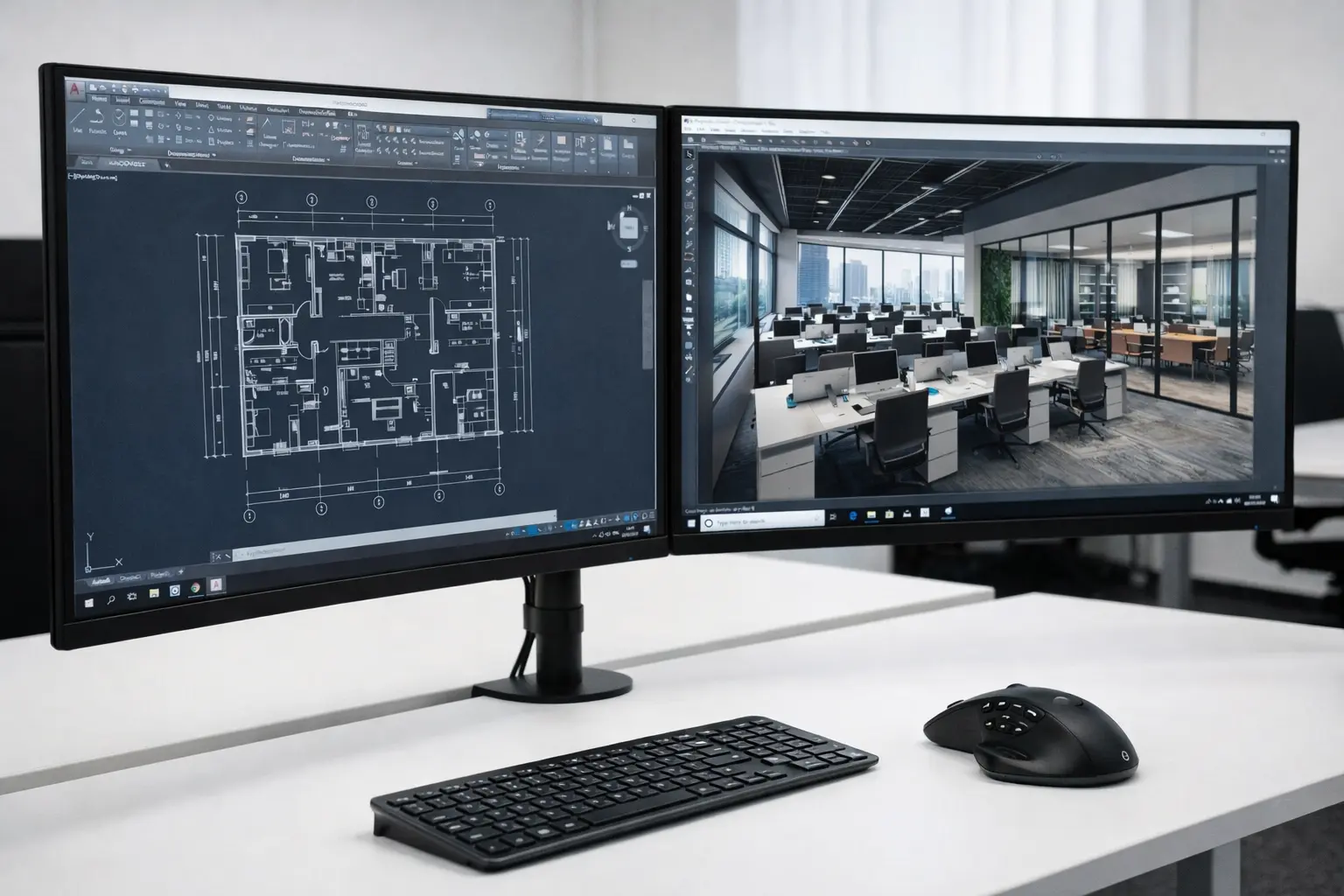
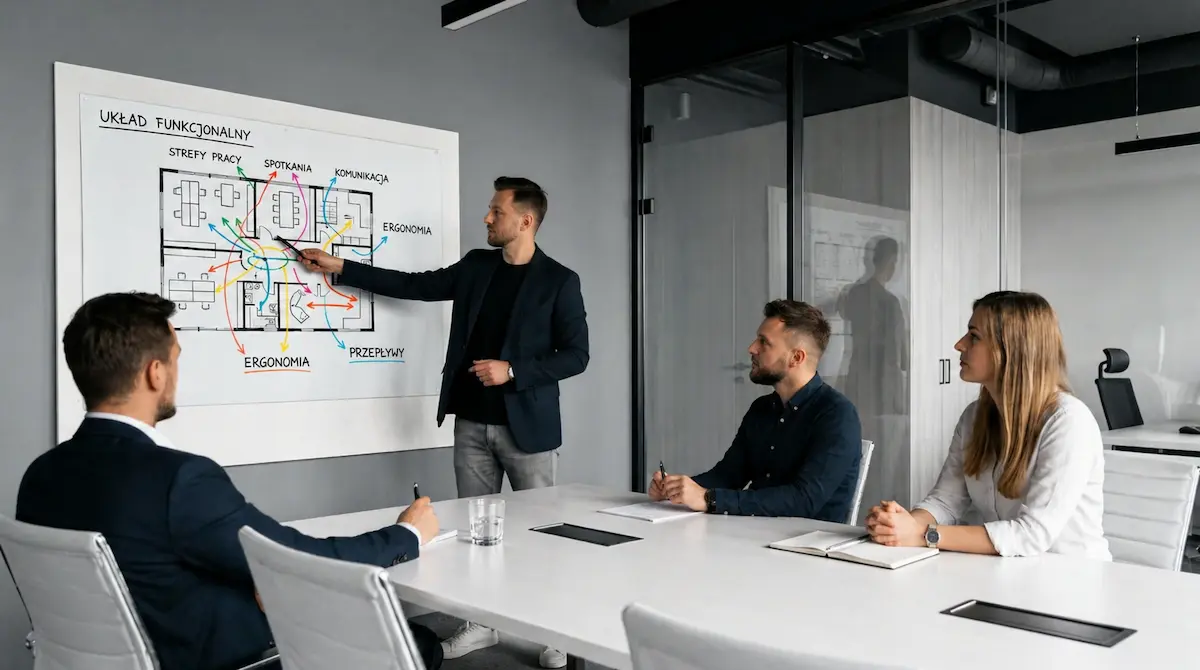
Eco Layout optimal functional layout, workplace capacity test and team work ergonomics
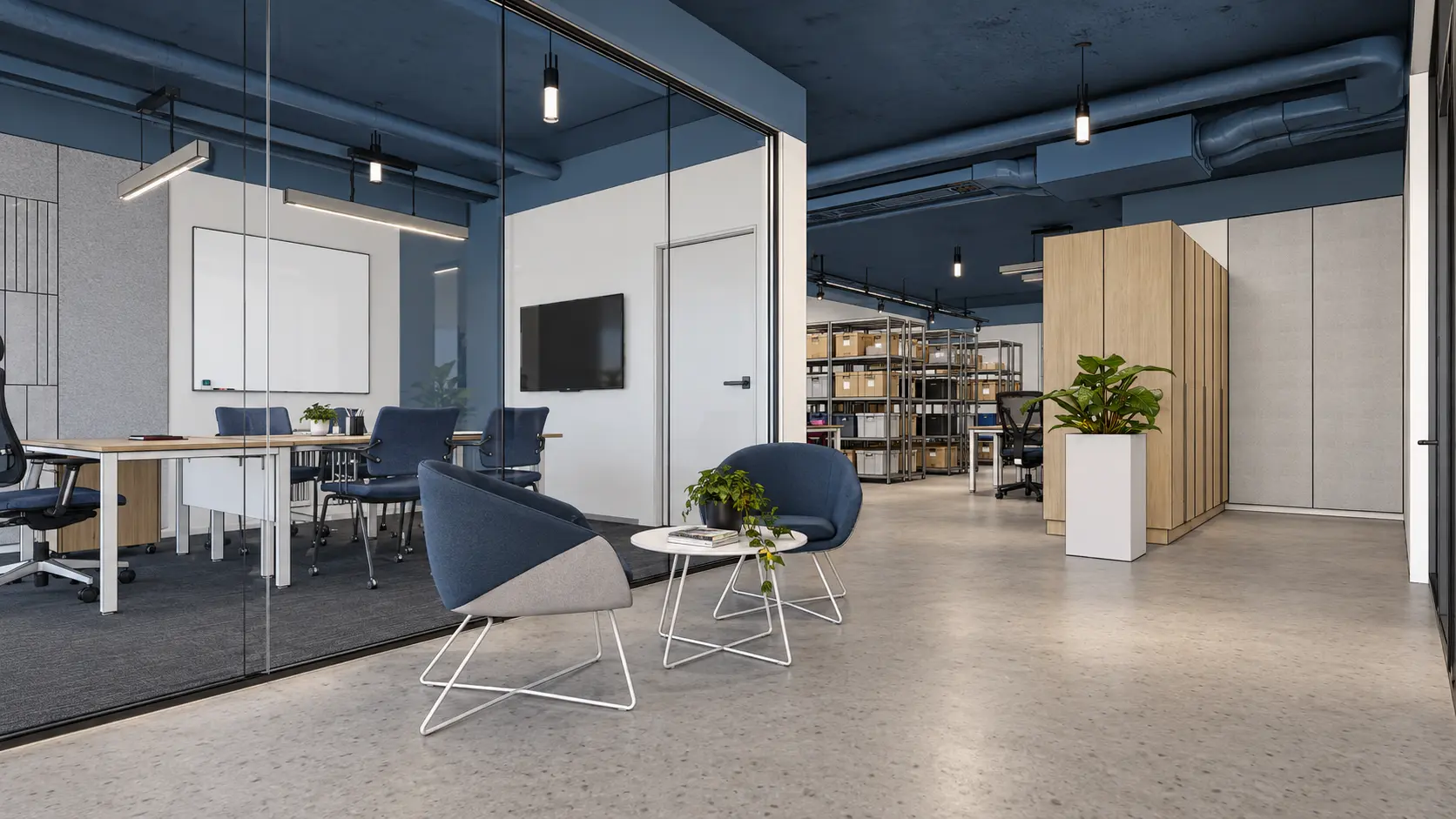
Eco Vision original interior concept, material selection, eco standards and 3D visualizations
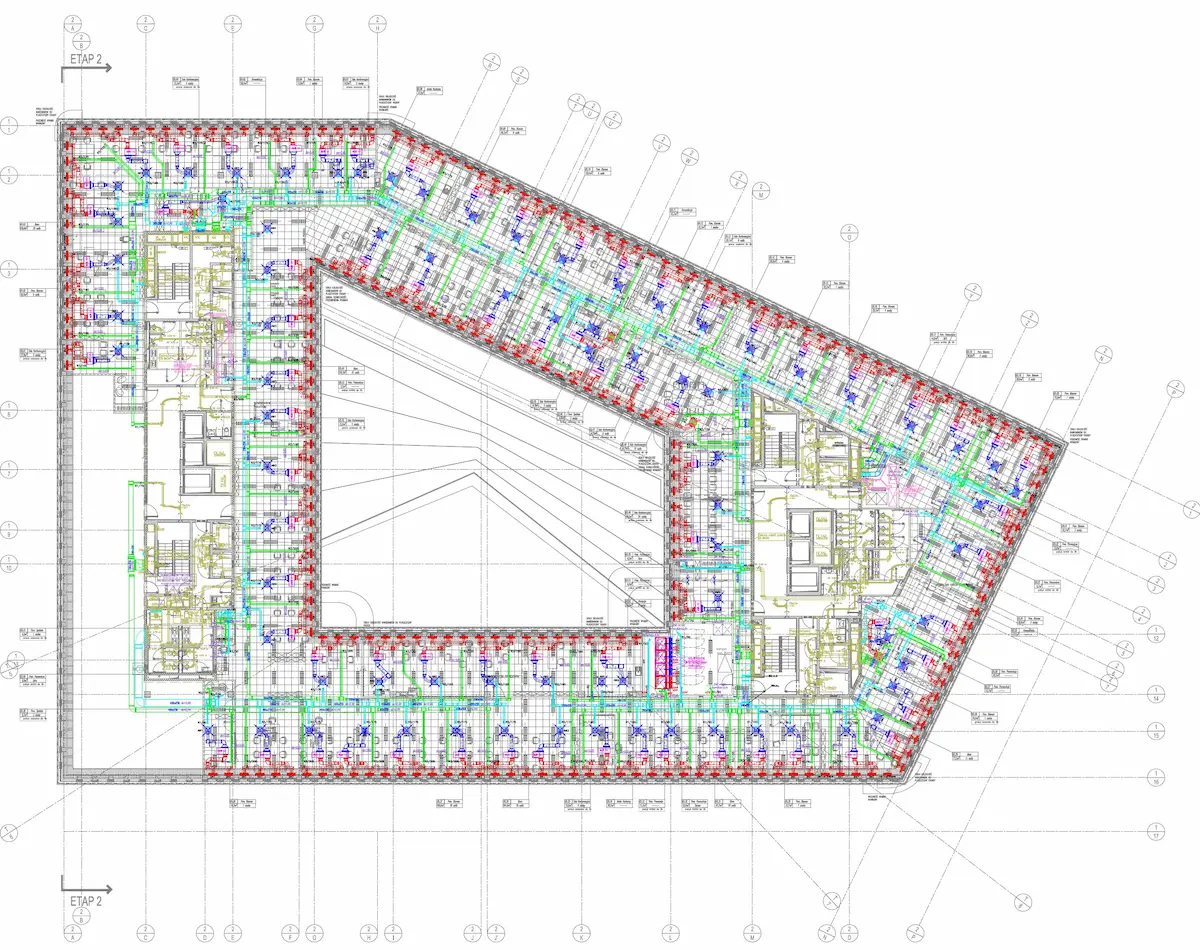
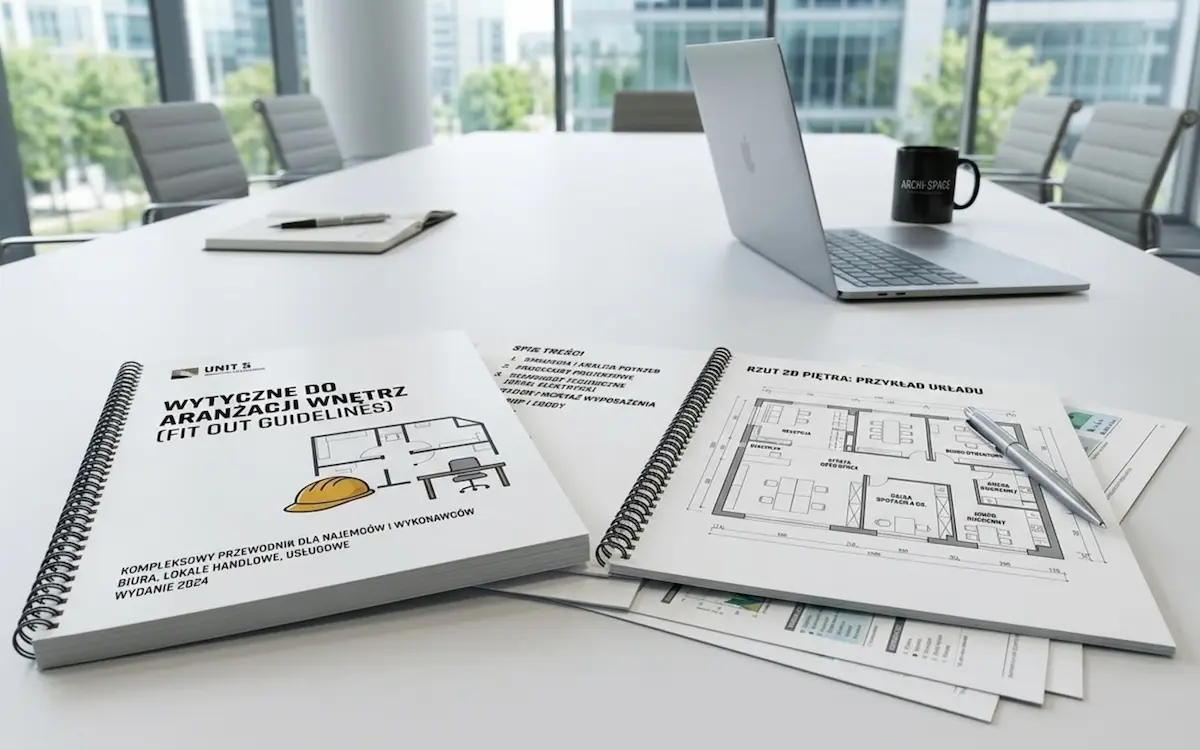
Eco Blueprint complete construction documentation, cost estimates and required approvals
Functional office interior design

We design office zones so they support work, people and budget

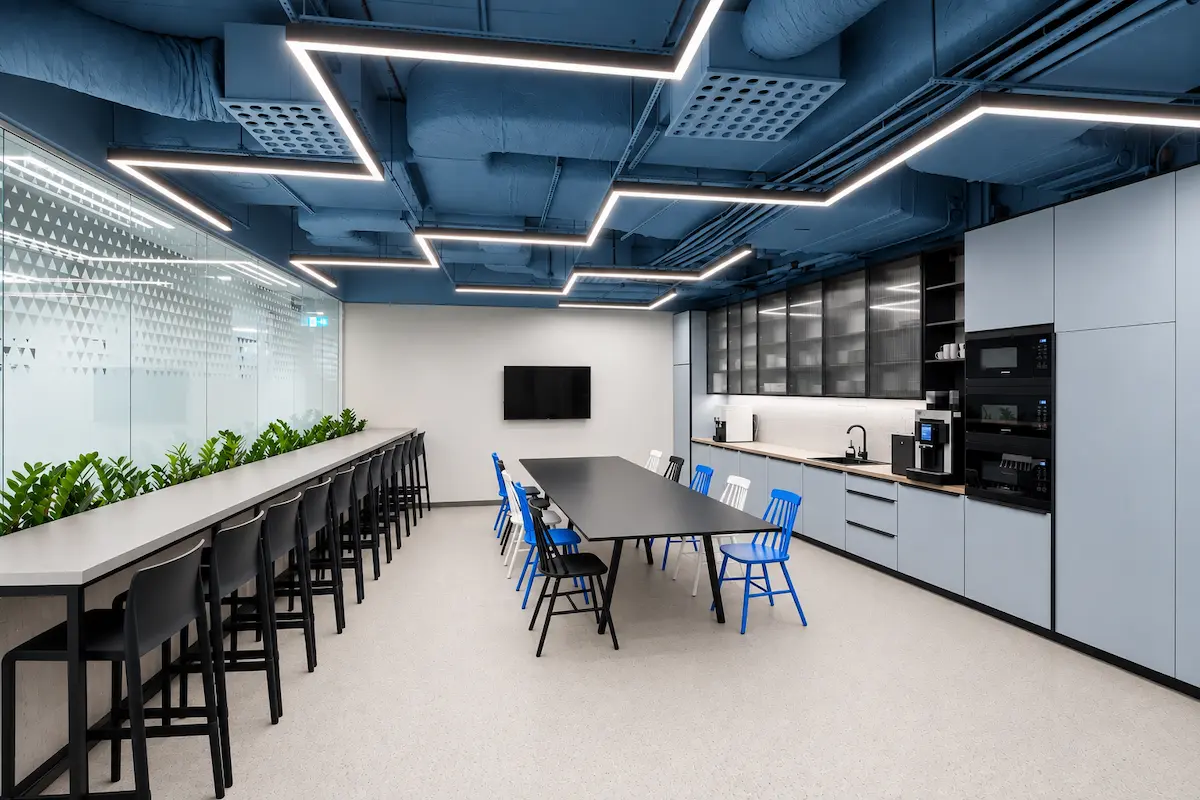
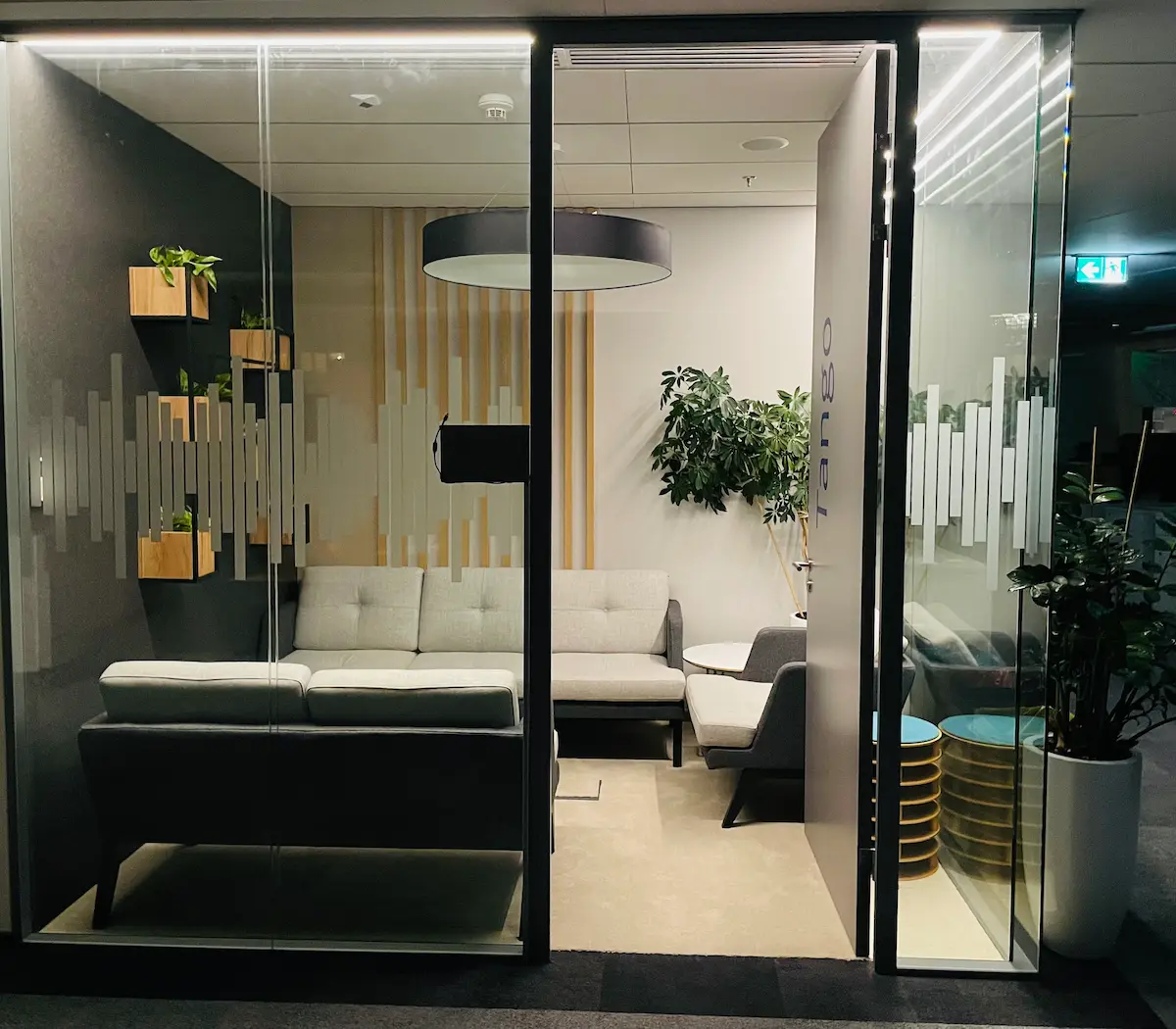
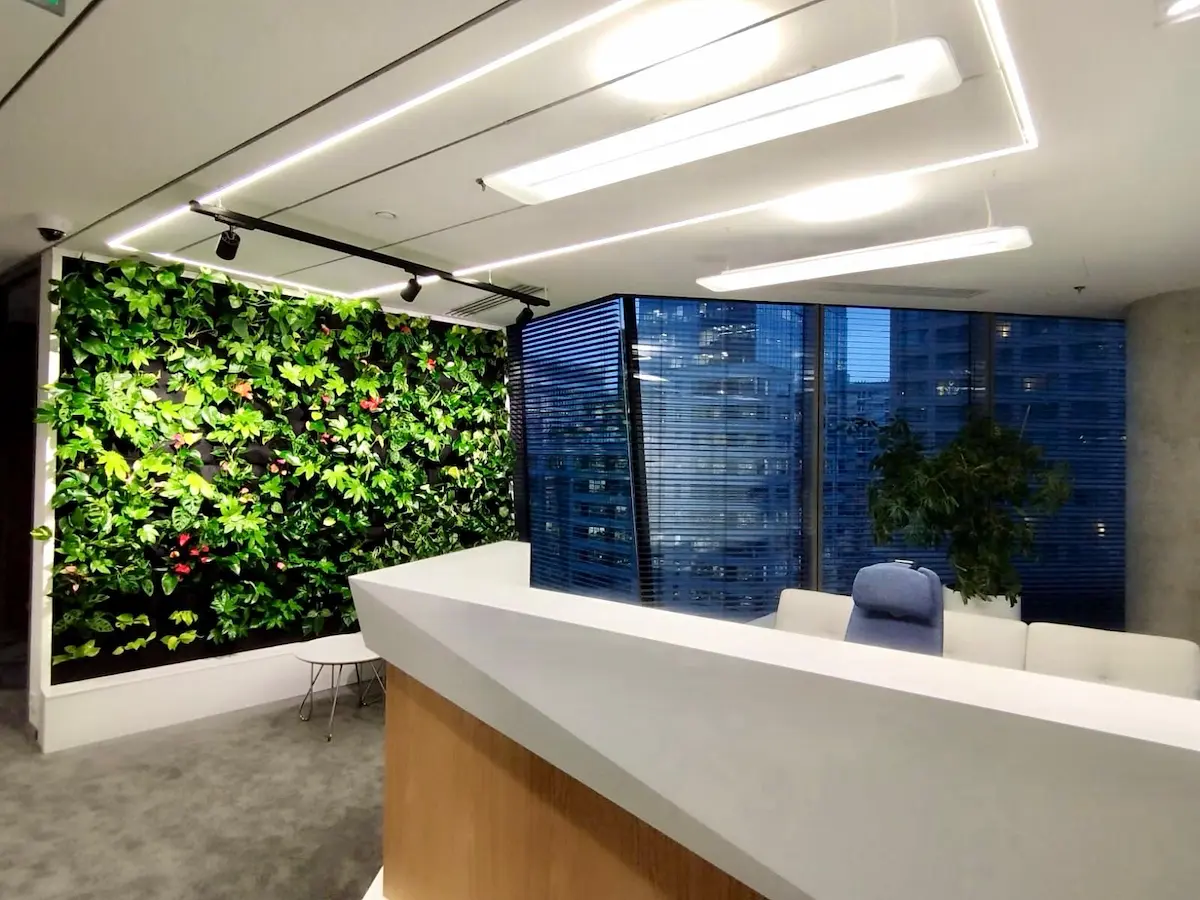
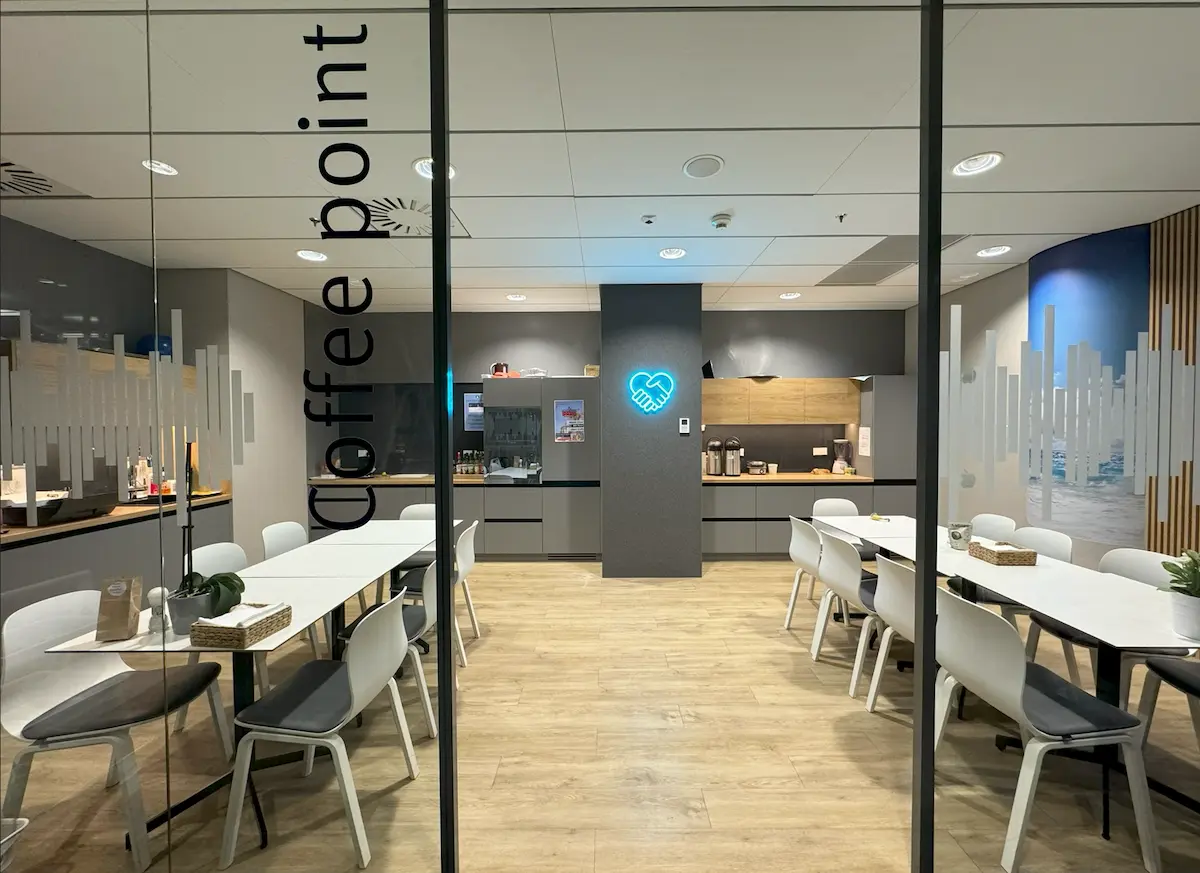
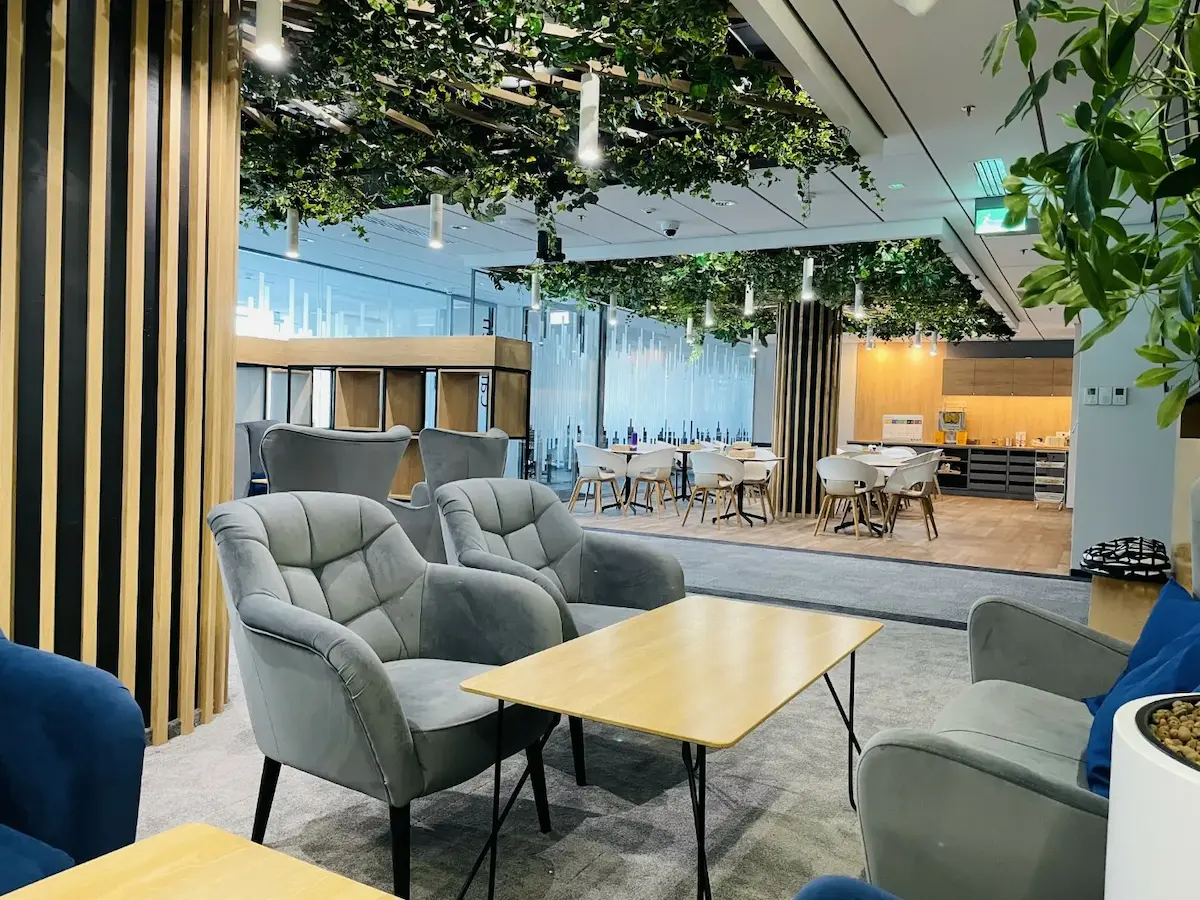
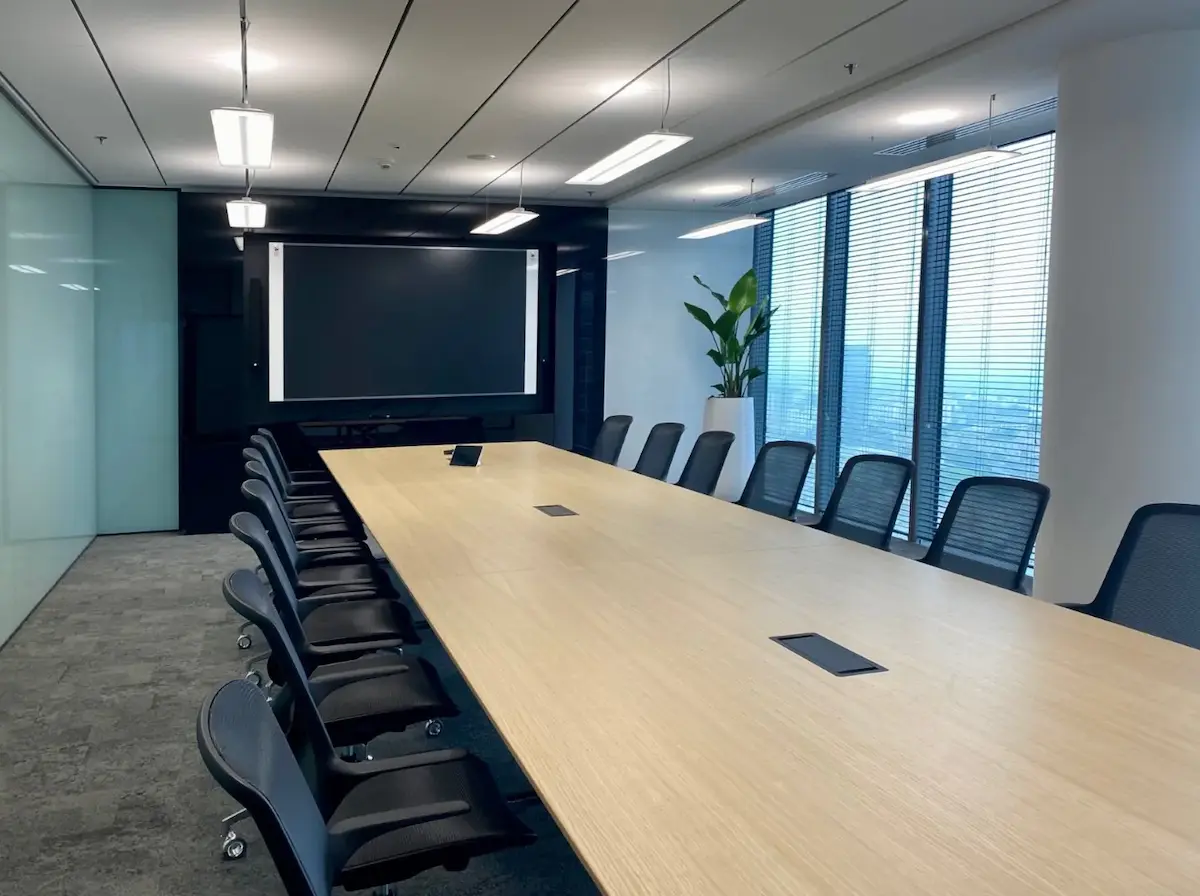
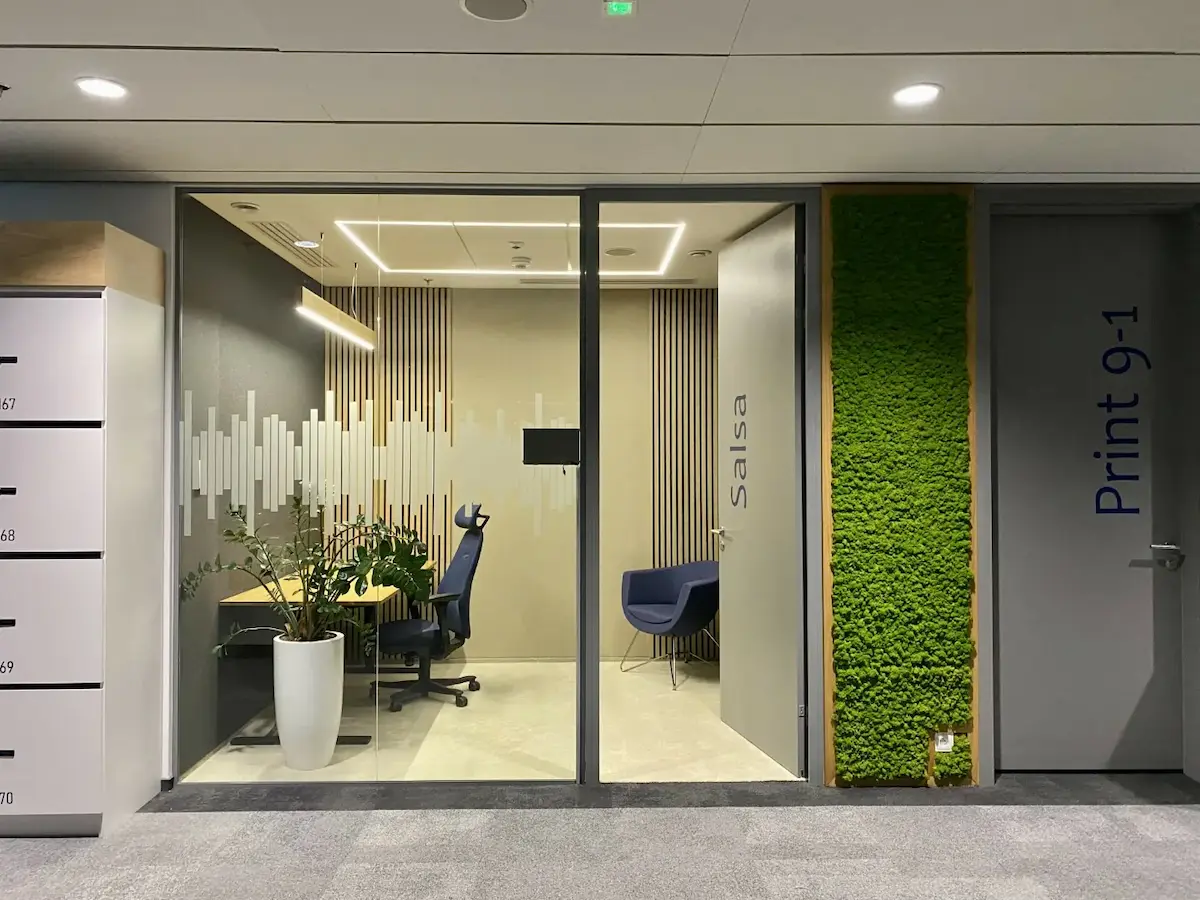
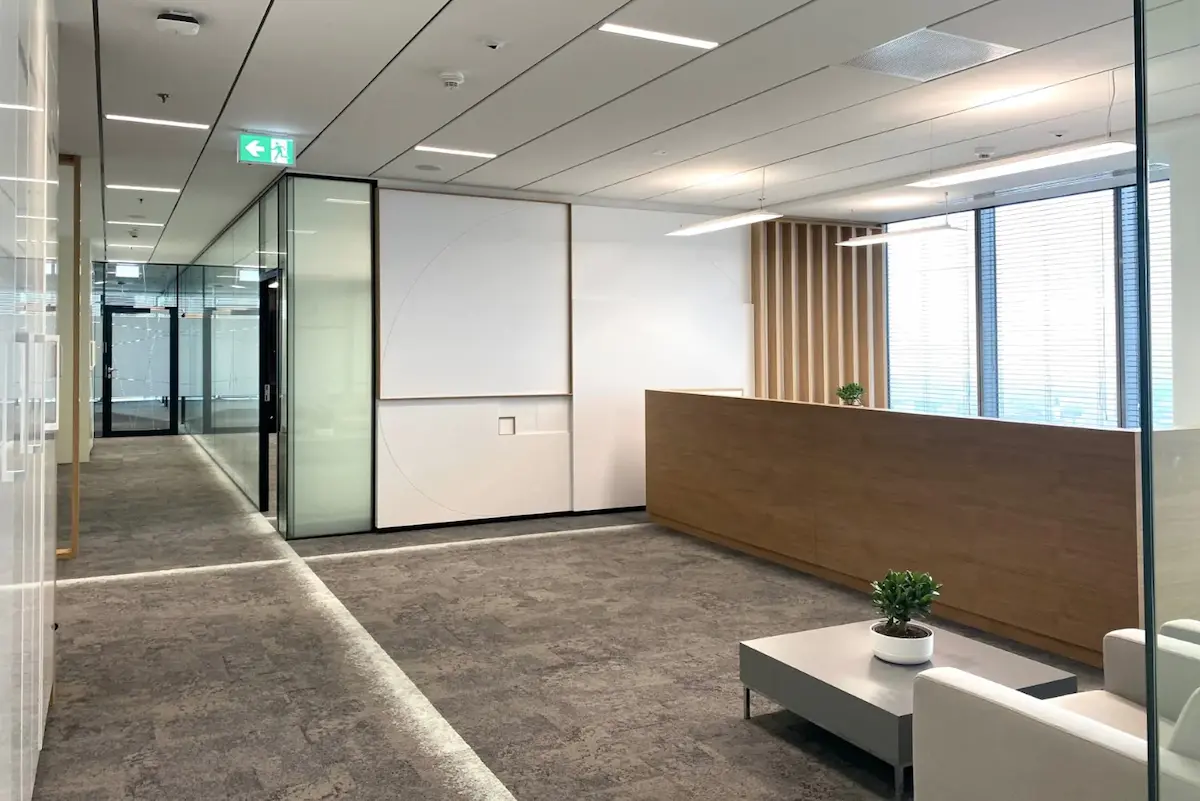
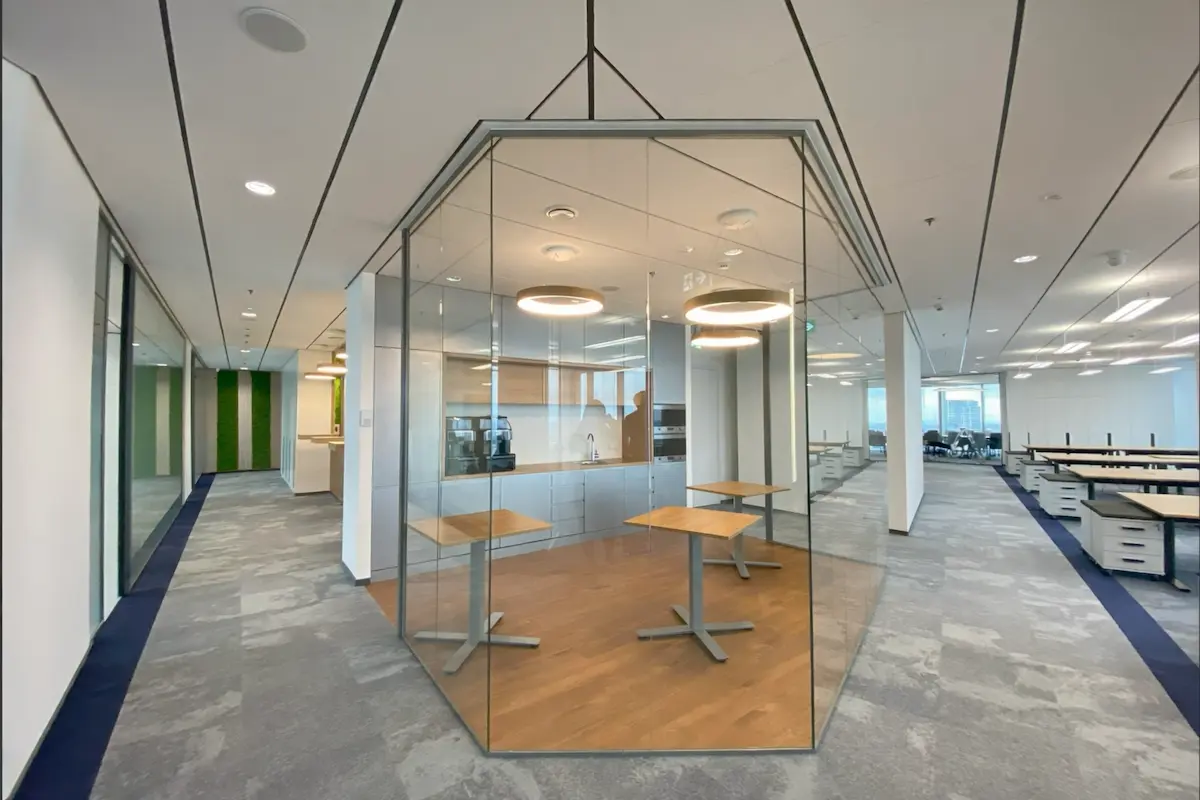
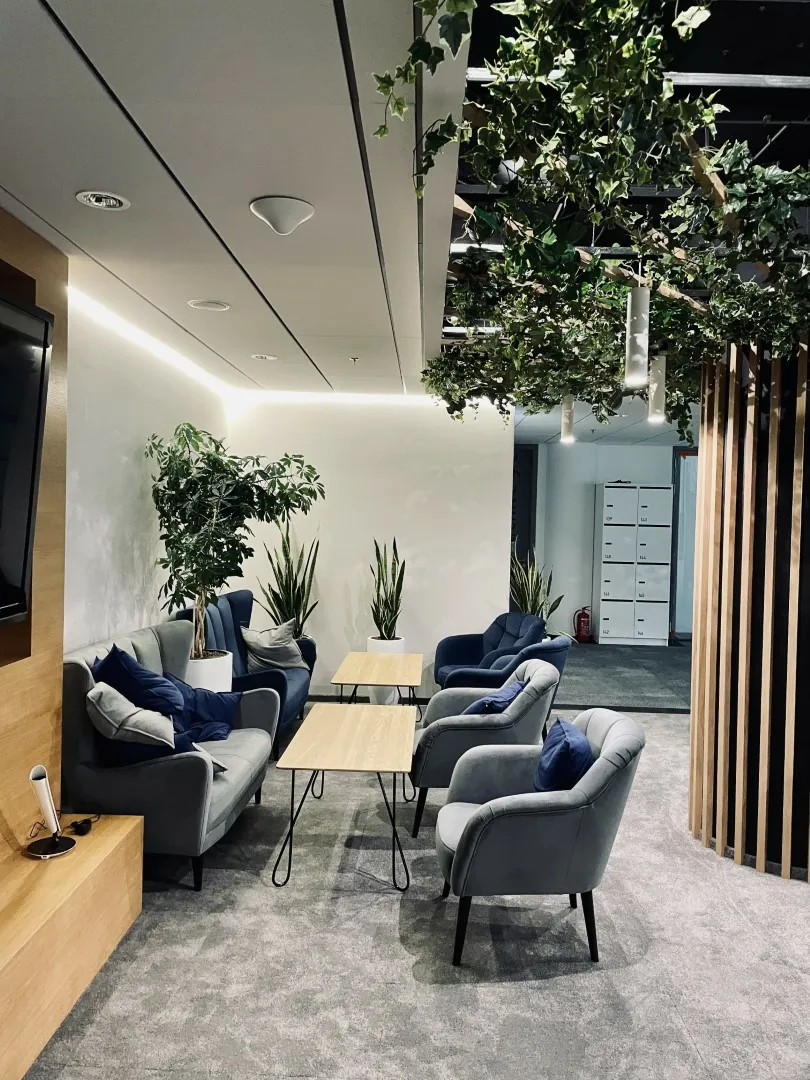
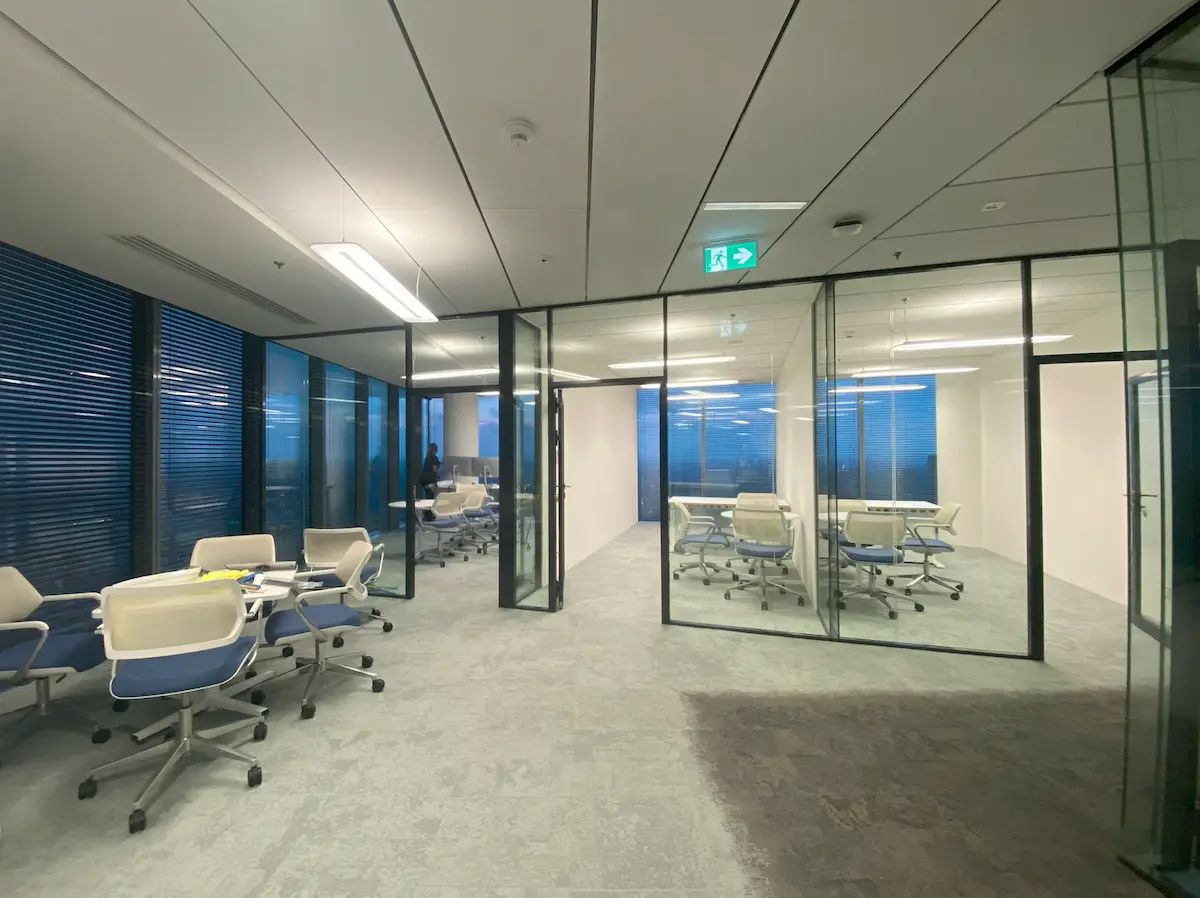
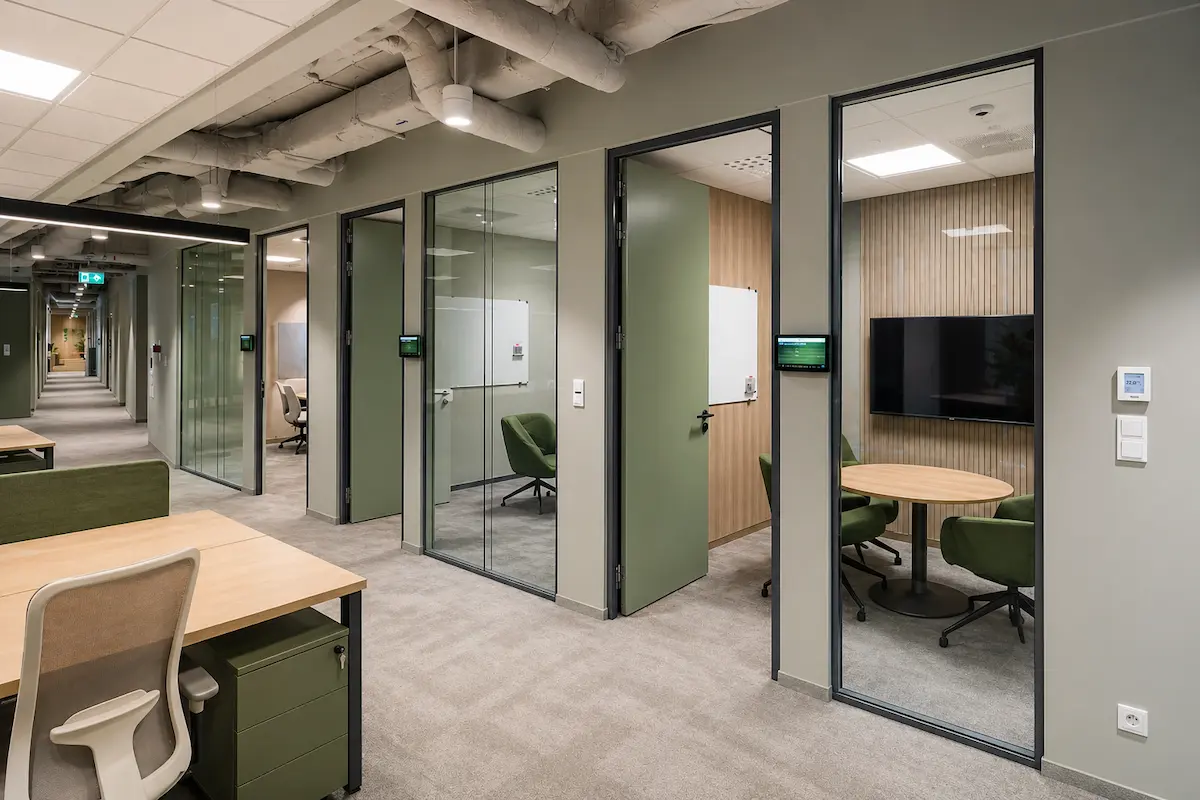
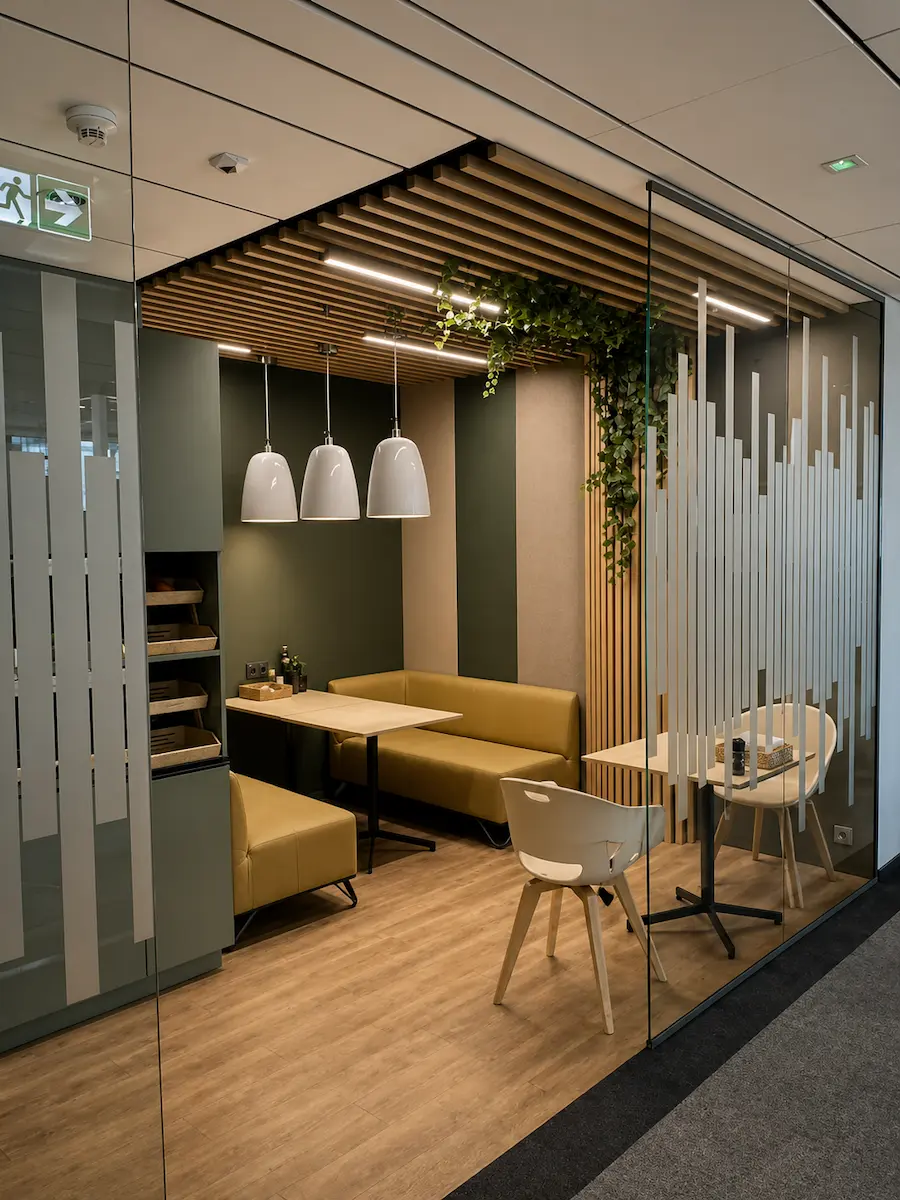
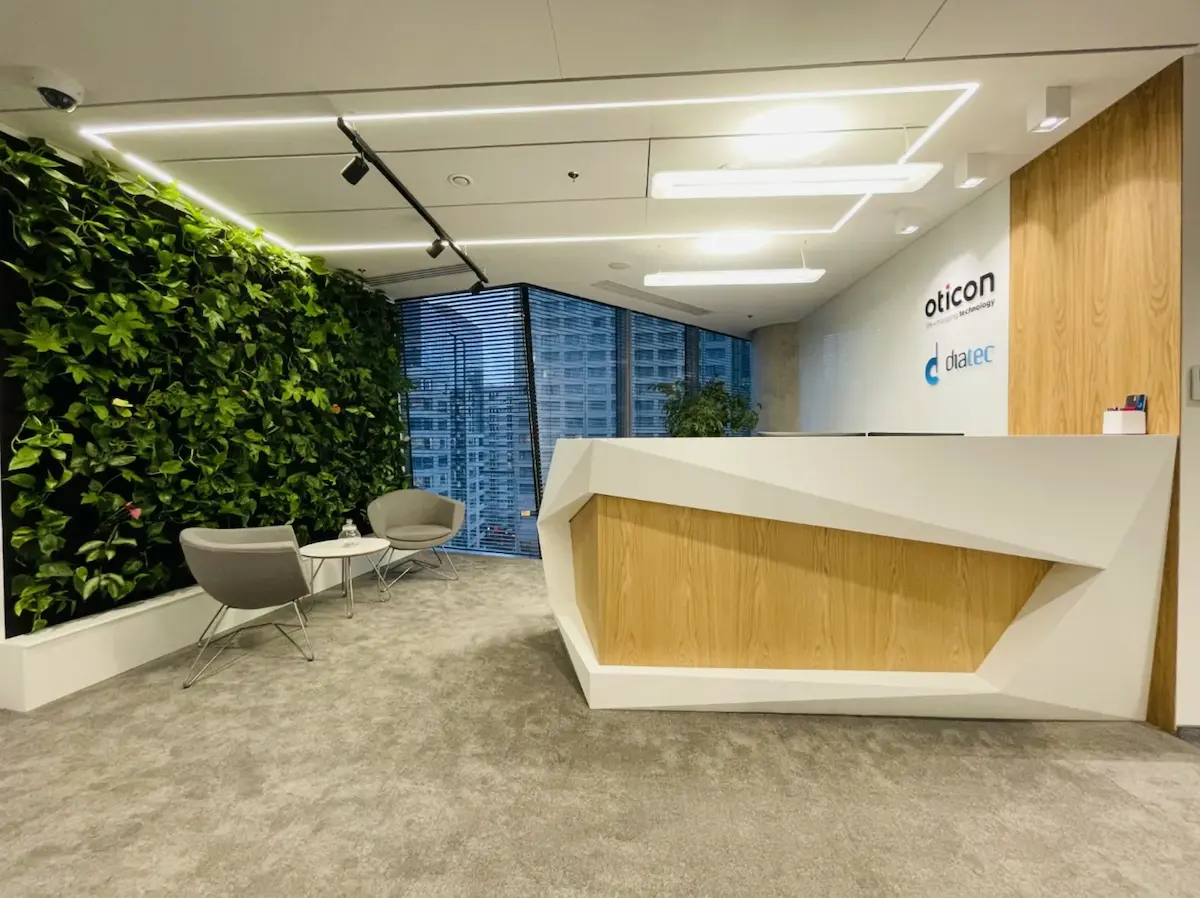
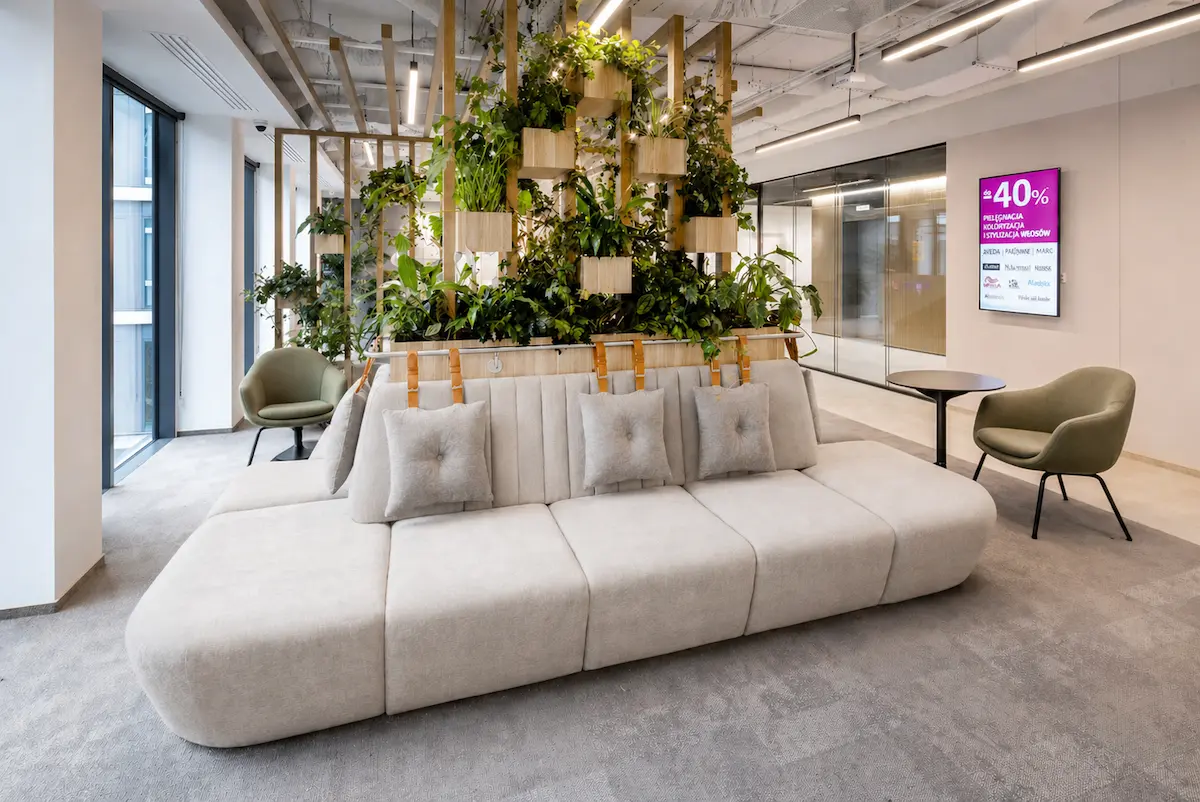
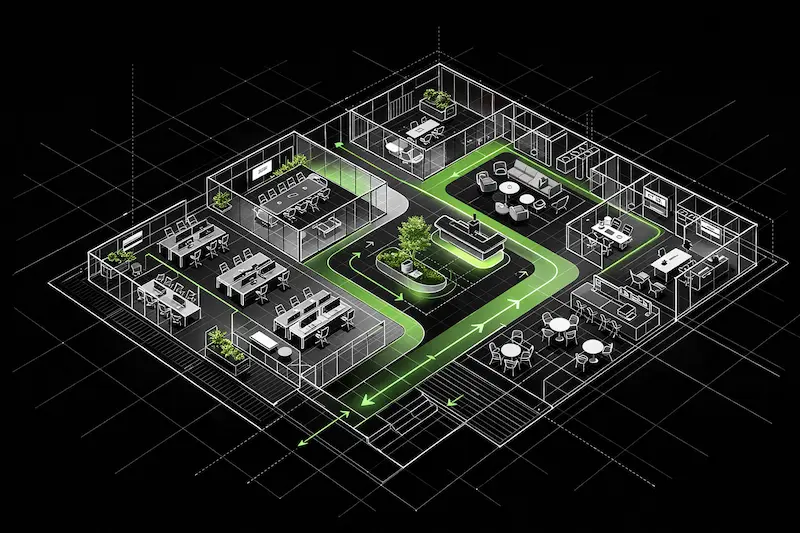
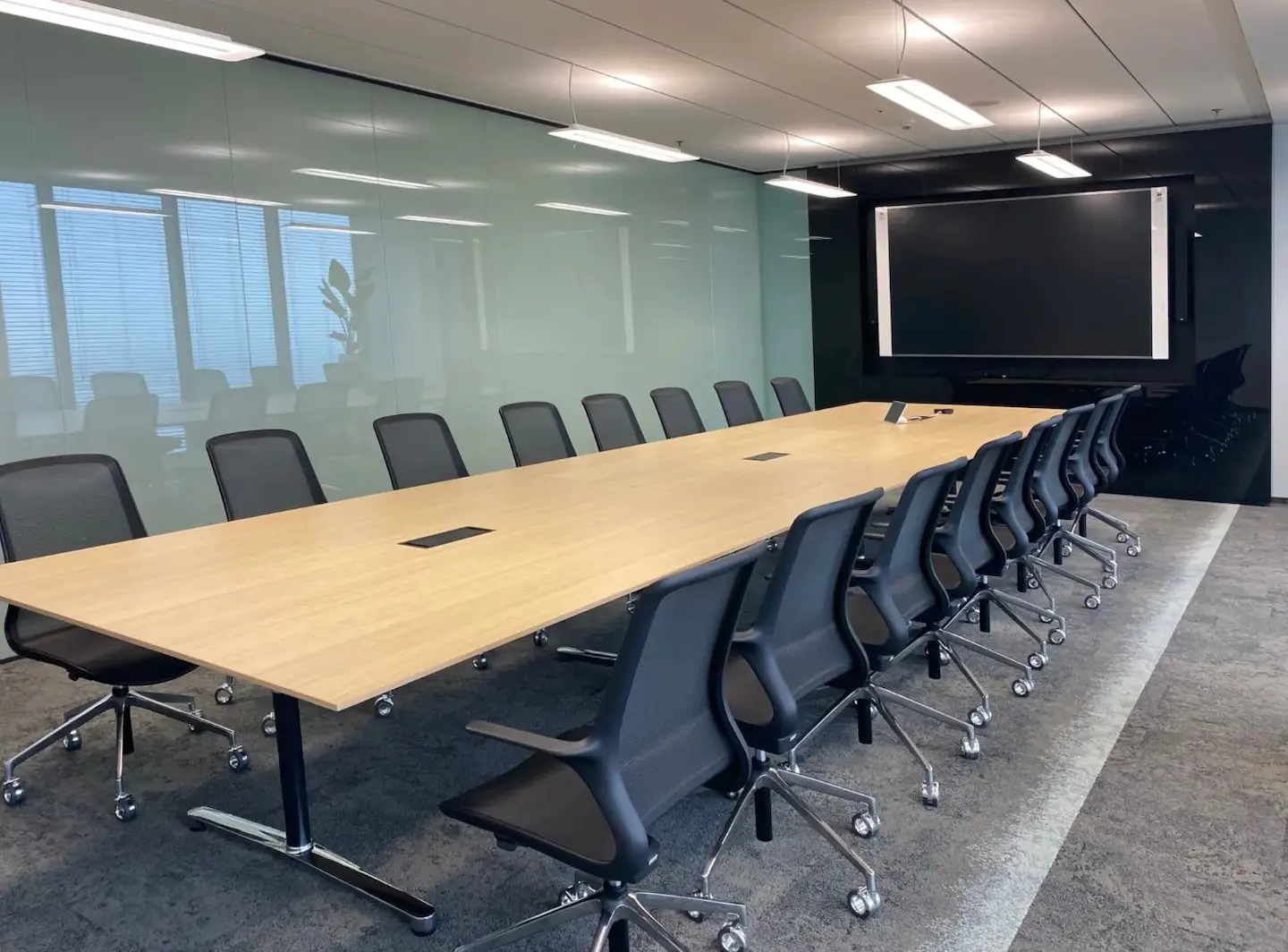
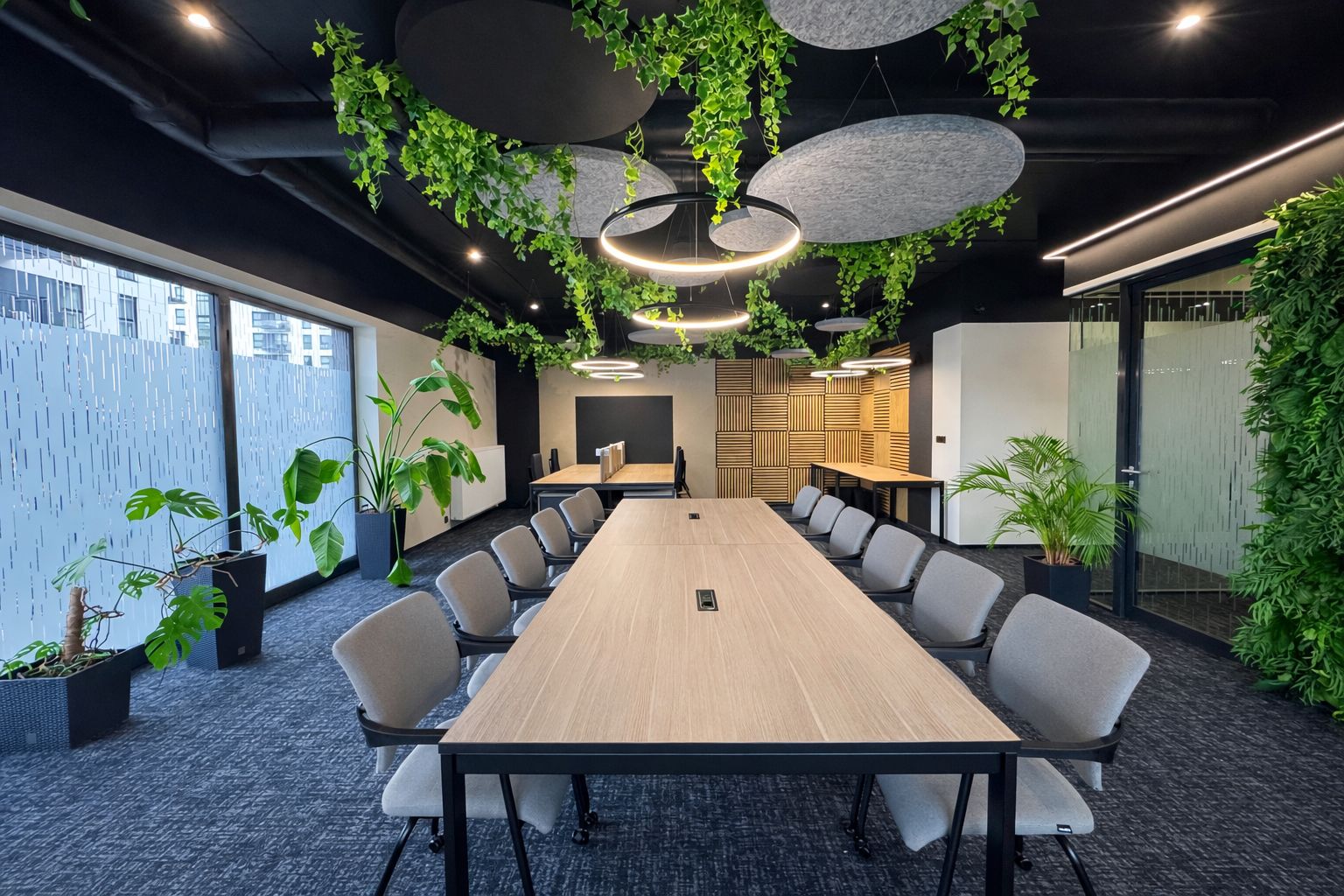
A good office is not created by randomly arranging desks and choosing eye-catching materials. It is a carefully planned system of zones that together create an efficient work environment: open space organizes everyday work, meeting rooms improve communication, focus rooms protect concentration, while reception, kitchen and shared zones build the company’s image, culture and team comfort.

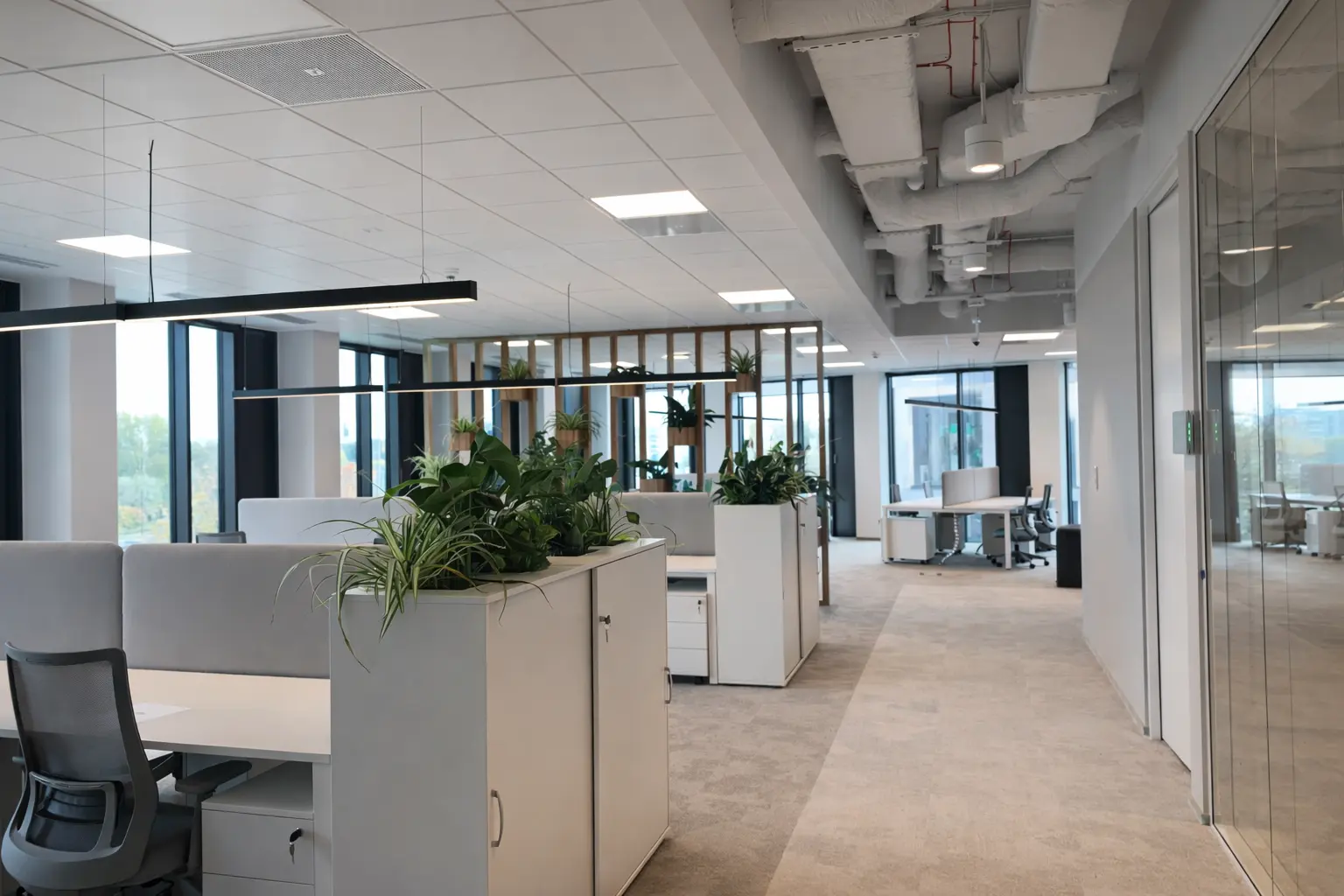
Zone 01 / Open space

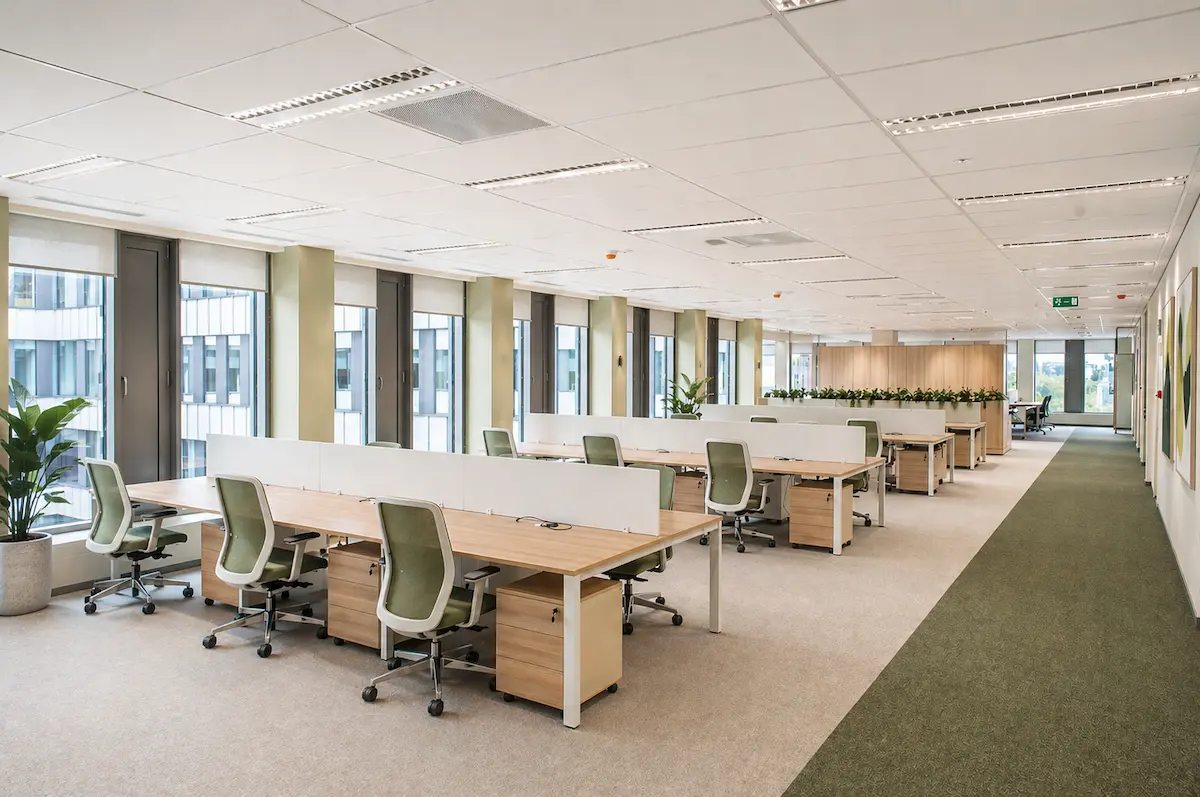
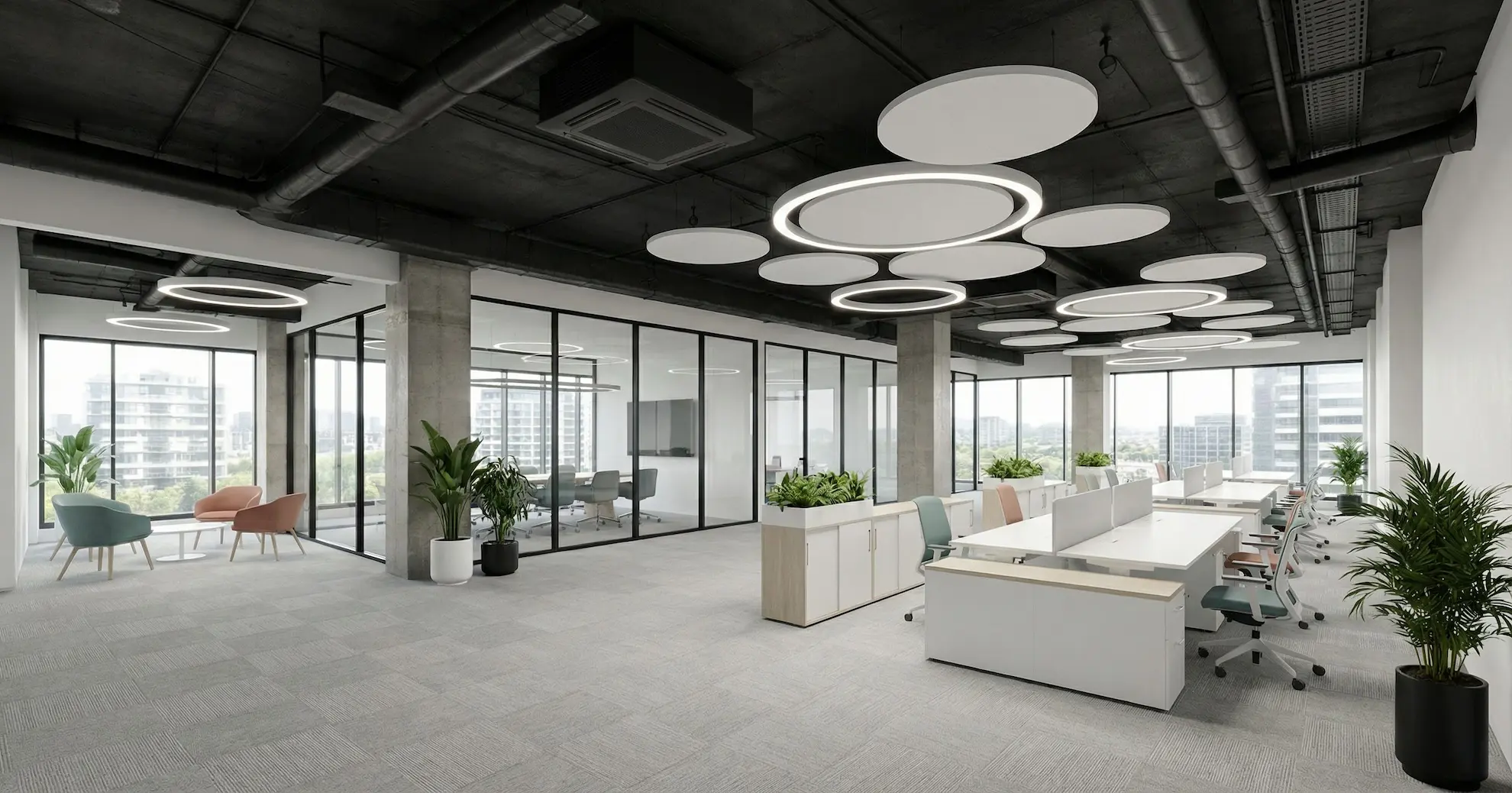
Open space that improves everyday work efficiency

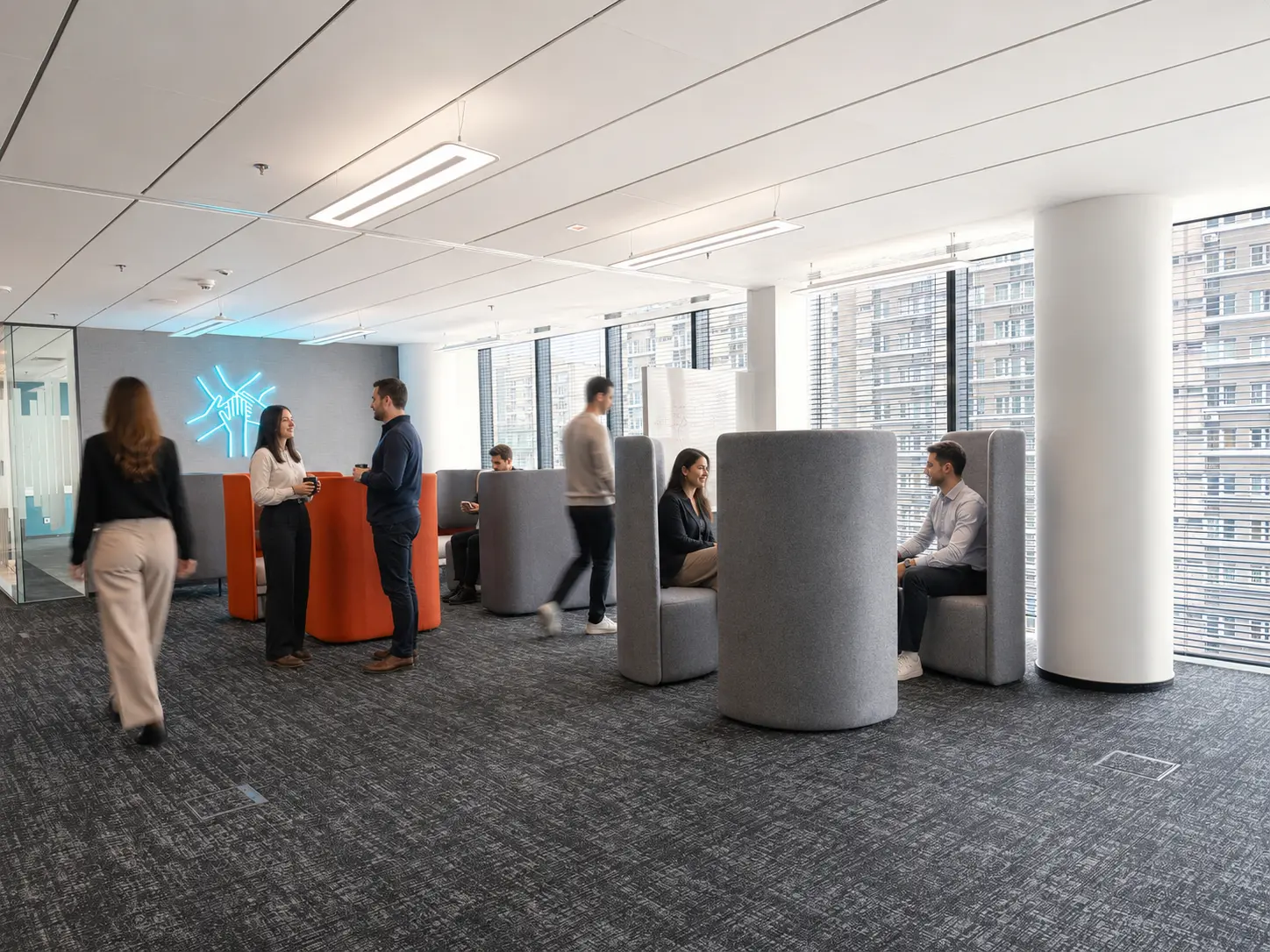
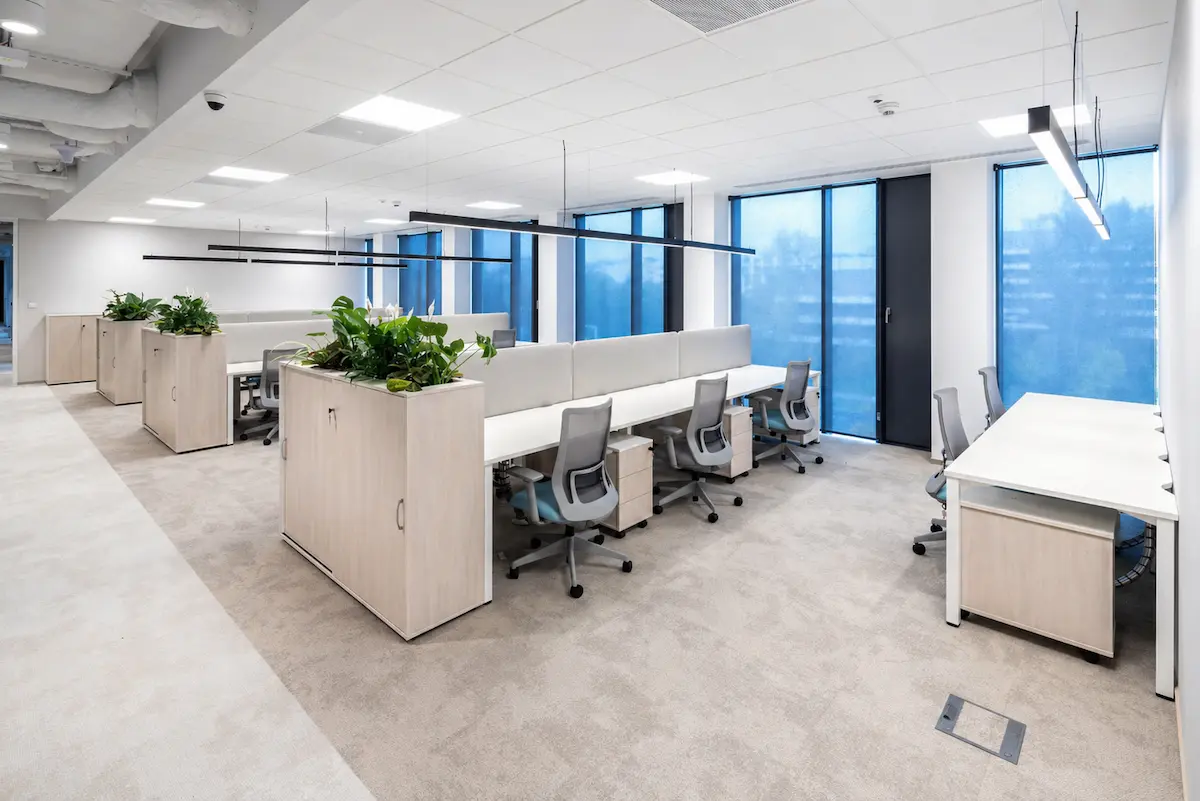
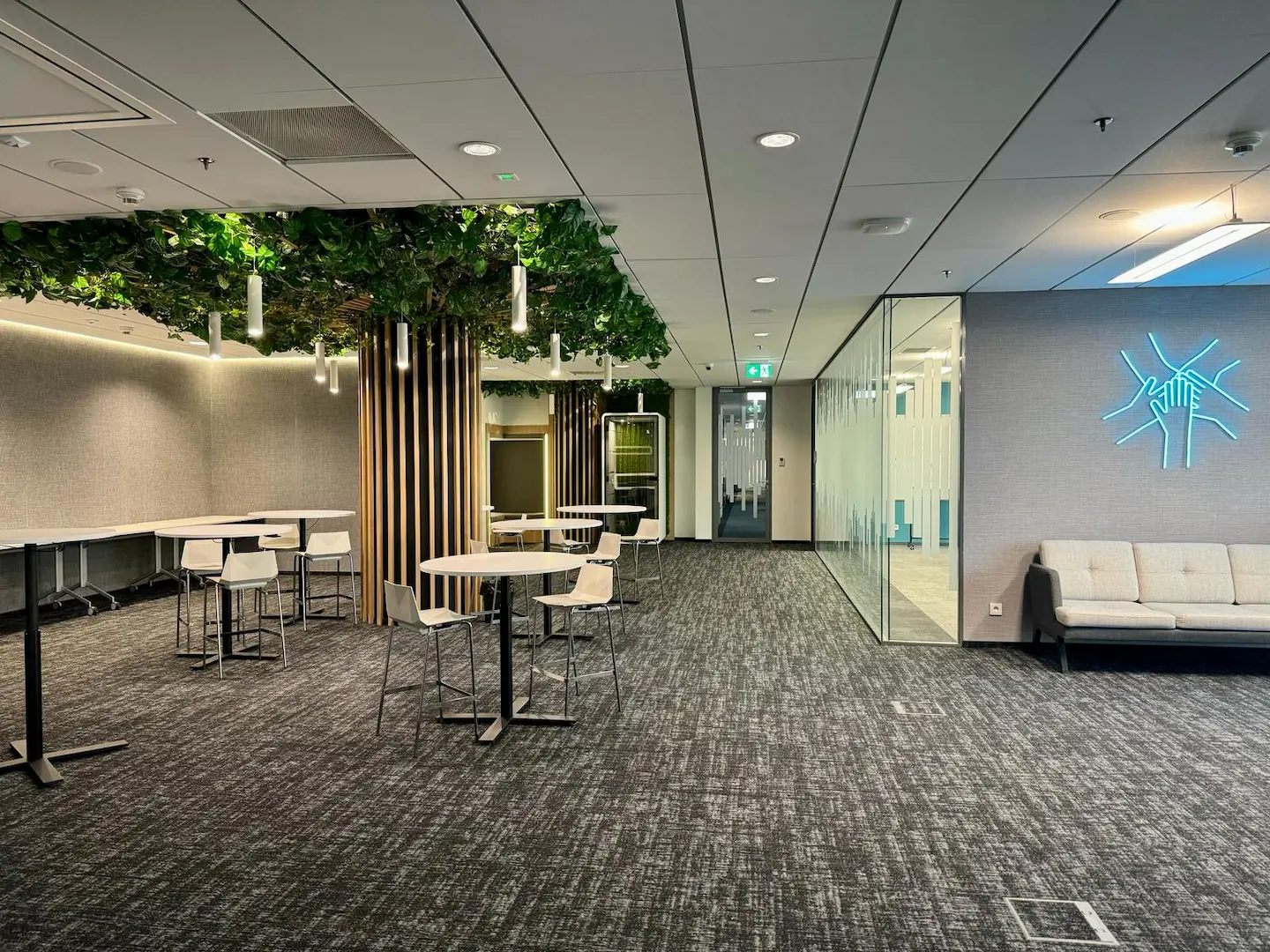
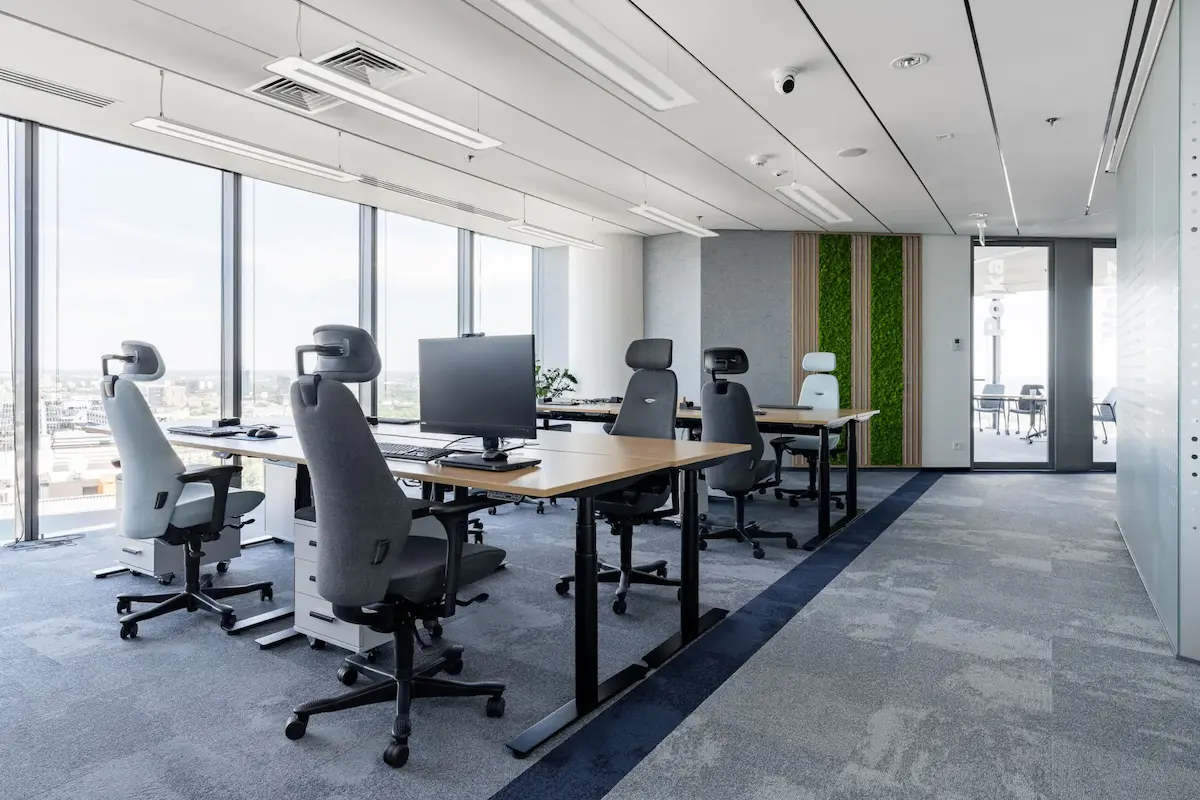
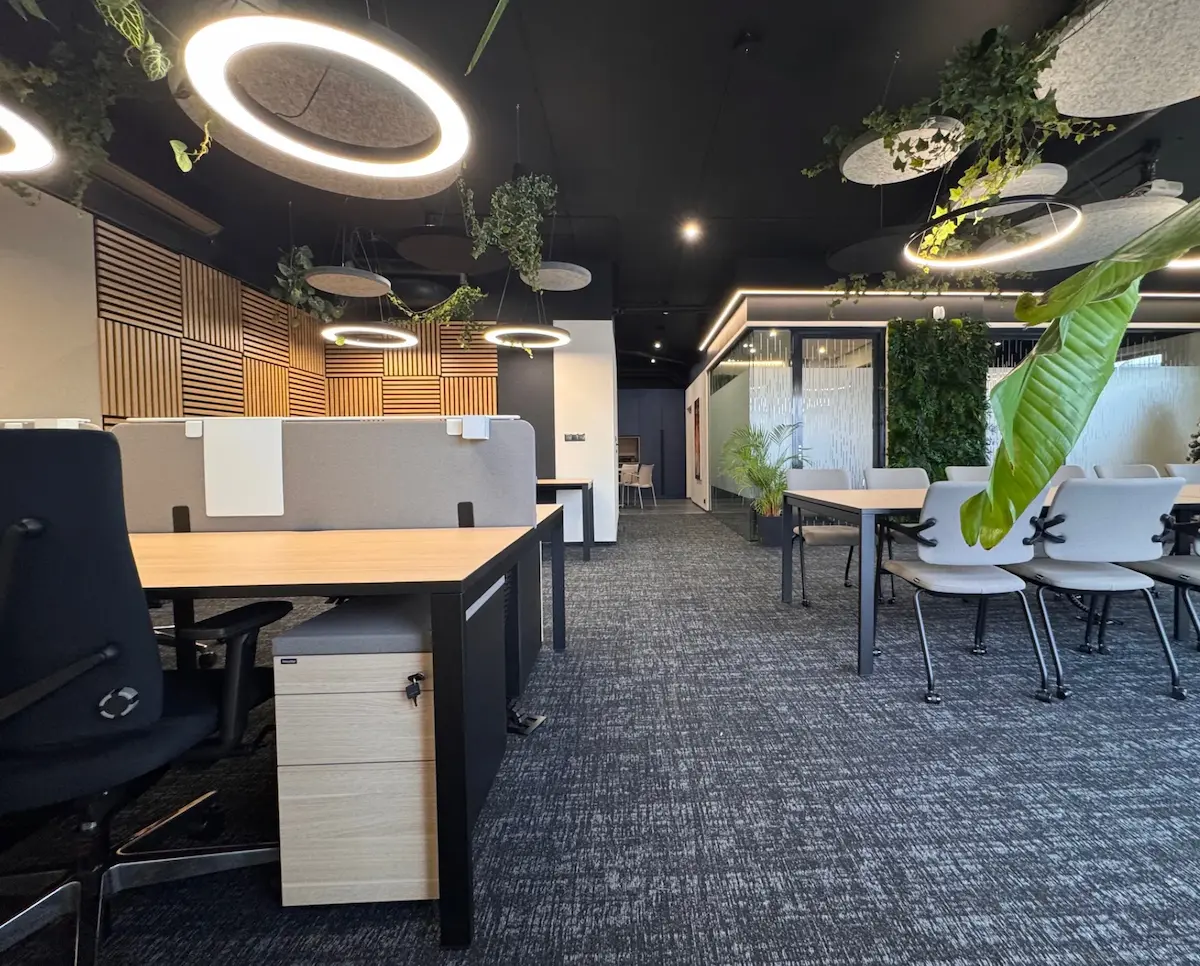
The work zone should organize teams, shorten communication paths, support ergonomics and reduce acoustic chaos. In a well-designed office, open space is not a large room filled with desks, but a planned work environment.

Project scope diagnostics

Check what kind of project your office really needs

Not every company needs full construction documentation right away — but a project that is too shallow may lead to mistakes, delays and costly changes during the fit-out stage. Set your office parameters and the system will suggest whether Eco Layout is enough, whether Eco Vision is the better choice, or whether it is worth moving directly to the full Eco Blueprint package.

Office area

The office size affects layout complexity, number of zones and documentation scope.
500 m²

Number of users

The more people there are, the more important ergonomics, acoustics and efficient communication become.
55 people

Initial building condition

The technical condition of the space determines how deeply the project must go into installations, approvals and construction documentation.

Decision stage

You need a different scope before choosing the space and a different one before the fit-out team enters the site.
Office design process

From brief to fit-out — a project that guides decisions and protects the budget

At Ecoffices, we do not start with random inspiration. First, we understand the company, work model and space constraints, and only then do we design the layout, standard, technical scope and documentation. This makes the office project a tool for controlling cost, schedule and later Design & Build delivery.

Stage 01 / Brief and data

First, we understand the company and the way people work.

A good office project starts with business decisions: how many people work in the office, how often, in which teams, and what the space should actually deliver for the company.

What do you receive after this stage?

  • project brief and list of investment priorities,
  • functional program adapted to the work model,
  • map of team, user and management needs,
  • assumptions for further space planning and cost analysis.
Ecoffices projects

Offices that look good — and work after handover

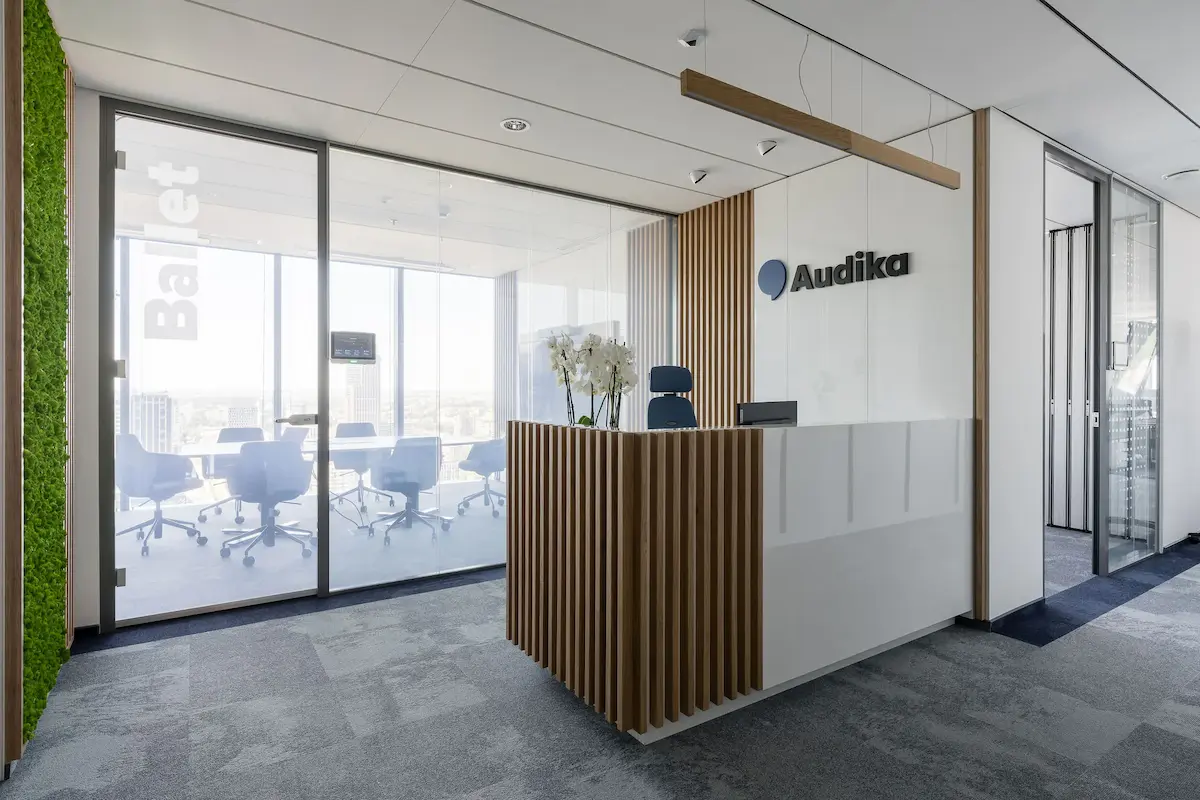
We design and deliver offices that support everyday work, management decisions, organizational culture and budget control. See selected spaces that went with us from the brief and functional layout, through the interior concept, to technical fit-out delivery.

Design & Build space plan fit-out offices in Warsaw
Office design cost

How much does an office project cost — and why does good design save more than it costs?

The price of an office project does not depend only on area. The biggest impact comes from the decision stage, number of enclosed rooms, technical complexity, landlord guidelines, fire safety and health and safety requirements, visual standard and whether the project is only a concept or a real basis for pricing and fit-out delivery. That is why at Ecoffices we see the project as an investment control tool: first we organize the functional program and office layout, then the standard, visualizations, construction documentation, technical coordination, approvals and readiness for delivery.

Eco Layout: approx. PLN 9–30/m² net Eco Vision: approx. PLN 120/m² net Eco Blueprint: from approx. PLN 190/m² net
01
Eco Layout
01 Eco Layout
Level 01 / functional program

The least expensive project stage that can protect the most expensive decision: choosing the office space.

Eco Layout helps verify whether the selected premises can truly support the team, meeting rooms, back-of-house areas, circulation and future company growth. This stage is especially important before signing a lease, relocating or modernizing an office. The price depends mainly on area: the larger the space, the lower the rate per m², because part of the analysis and concept work is spread across a larger scope.

approx. PLN 9–30/m² net min. 2 layout variants workplace capacity control highest impact before lease
  • up to 200 m² — approx. PLN 30/m² net,
  • 200–500 m² — approx. PLN 15/m² net,
  • 500–1000 m² — approx. PLN 12/m² net,
  • over 1000 m² — approx. PLN 9/m² net.
Ecoffices conclusion: Eco Layout is the least expensive design stage, but it often has the greatest business impact. It helps avoid leasing a space that is too small, too large or technically difficult — before the company enters a long-term lease and fit-out cost.
02
Eco Vision
02 Eco Vision
Level 02 / interior concept

A concept that turns the office layout into standard, image and employee experience.

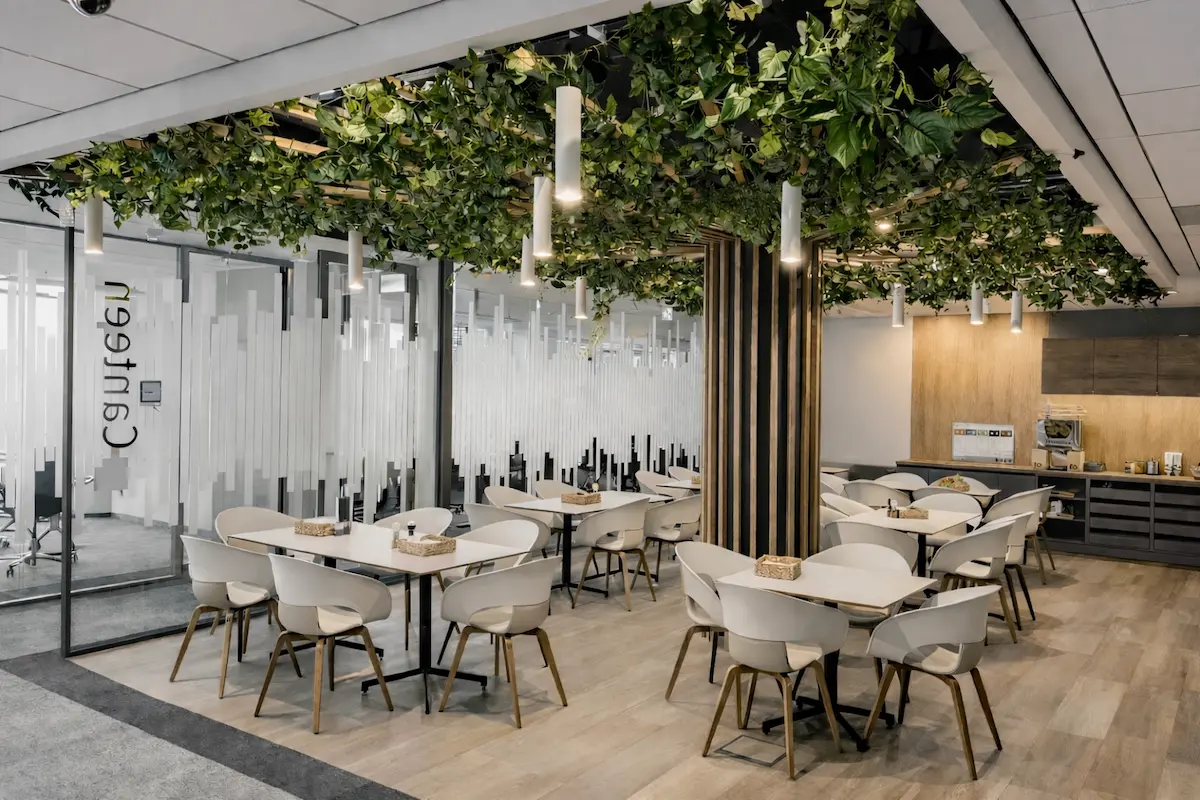
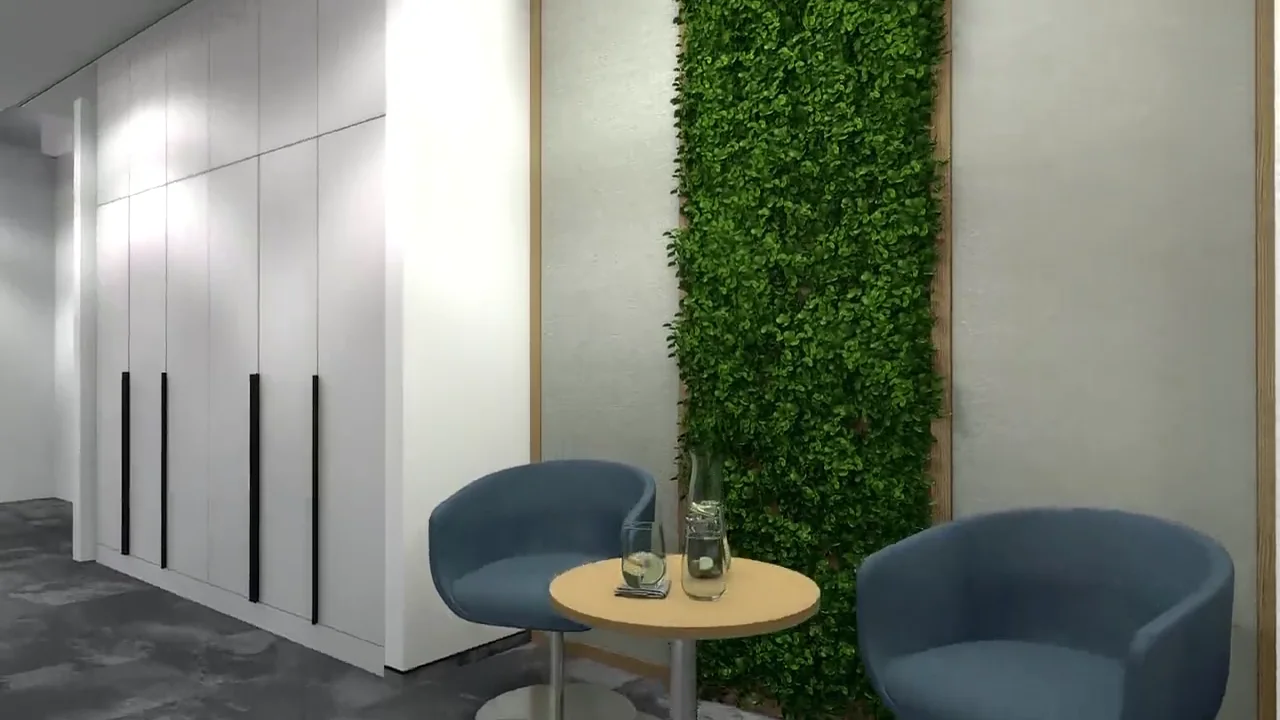
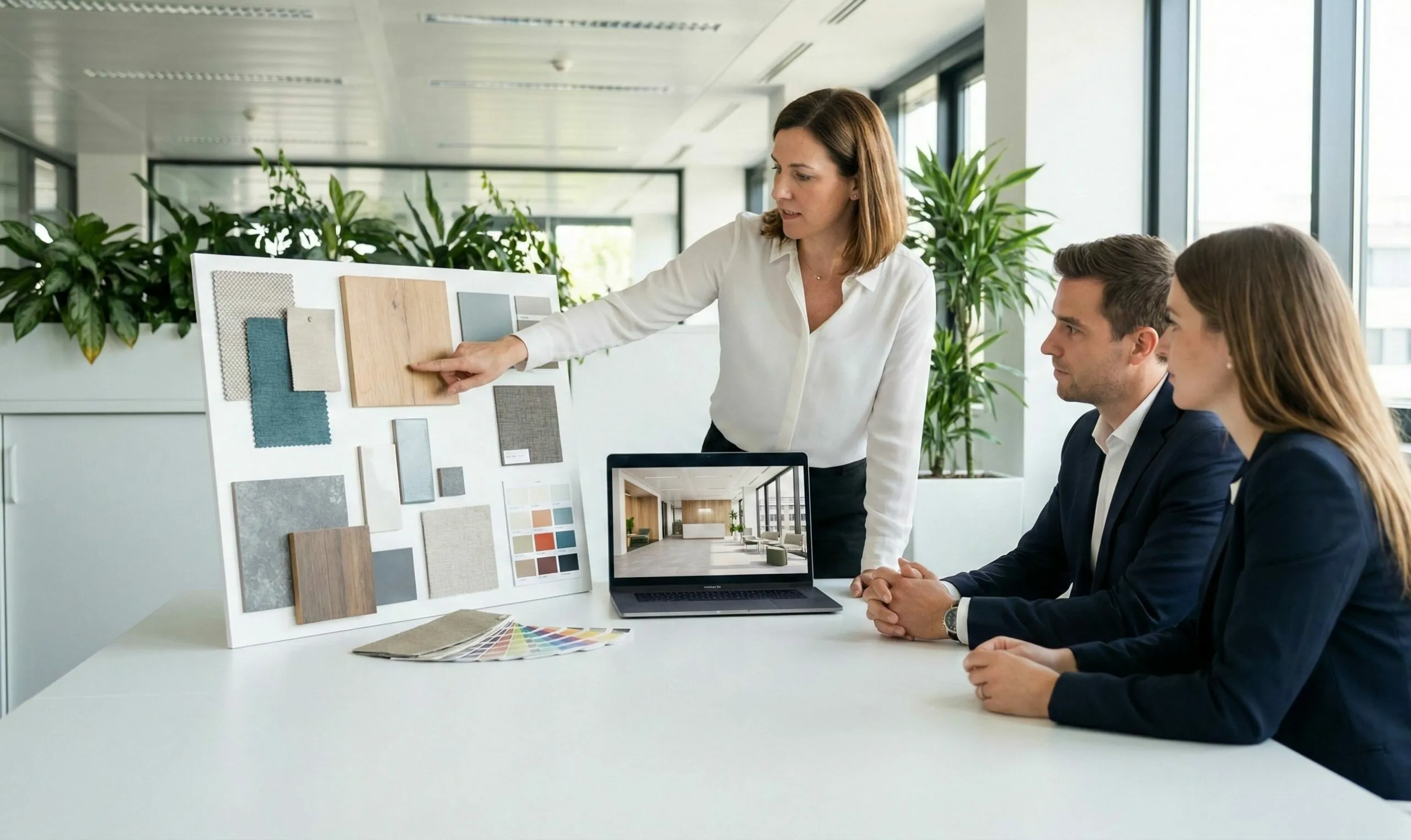
Eco Vision is the moment when the functional layout starts working for the brand, organizational culture and team comfort. It includes stylistic direction, material selection, color palette, interior atmosphere and visualizations of key zones. This level allows you to consciously decide what office standard makes sense — before detailed drawings, cost estimates and orders are created.

approx. PLN 120/m² net visualizations of key zones standard, atmosphere, materials aesthetic decisions aligned with budget
  • stylistic concept and design direction for the office,
  • selection of standard, materials, color palette and interior atmosphere,
  • visualizations of the most important spaces,
  • verification of how the standard affects later fit-out cost.
Ecoffices conclusion: Eco Vision organizes the decisions that later have the strongest impact on how the office is perceived and on the delivery budget. As a result, the company does not choose materials randomly, but builds a standard matched to the goal, people and investment capacity.
03
Eco Blueprint
03 Eco Blueprint
Level 03 / construction documentation

Documentation that prepares the project for pricing, approvals and real fit-out delivery.

Eco Blueprint includes architectural construction documentation and the technical coordination needed to move from concept to real execution. This scope is intended for companies that want to reduce chaos, unclear responsibilities and costly changes on site. The documentation is prepared and checked by designers with unrestricted design and execution qualifications. Fire safety and health and safety approvals are handled by Ecoffices.

from approx. PLN 190/m² net architecture + technical coordination documentation for pricing approvals handled by Ecoffices
  • architectural construction documentation,
  • technical coordination of solutions with the office layout,
  • documentation checked by designers with unrestricted qualifications,
  • fire safety and health and safety approvals handled by Ecoffices.
Ecoffices conclusion: Eco Blueprint costs more than a concept because it takes on technical and coordination responsibility. In return, it reduces the risk of improvisation on site, inconsistencies in pricing and changes that usually appear when the project is not ready for delivery.
Quick design decision simulation

See how area, number of rooms and technical complexity affect the project budget, documentation scope, risk and fit-out readiness

Active variant Eco Layout PLN 9–30/m² net

Change the basic parameters and see how the project scope responds to area, number of enclosed rooms, technical complexity and building requirements. This is not an offer — it is a quick model that shows the scale of the decision and helps understand when a layout is enough and when full documentation is needed.

Work mode
Project budget — PLN/m² net

Indicative office project cost in the selected scope.

Mini breakdown of design work time structure

Analysis and program

Concept and standard

Documentation

Technical coordination

Approvals and reserve

Discuss project scope
Project scope model

The scope depends on the active variant, number of rooms and level of technical complexity.

Define the scope
Technical risk index

Risk increases with building requirements, number of rooms and level of technical coordination.

Check fit-out
Fit-out readiness verdict

The more complete the documentation scope, the easier it is to move to pricing, building approval and delivery.

brief pricing delivery
Run FIT TEST
Brief 875 m² / 14 rooms / tech 2
Project budget
Scope
Risk
Readiness
Design and responsibility for delivery

Interior designer or Design & Build partner?

In office design, aesthetics alone are not enough. The key question is whether the concept accounts for budget, technical requirements, schedule, building guidelines and later fit-out delivery from the very beginning. This is where the difference begins between a beautiful design and a project that can actually be priced, approved and built.

CAPEX technical scope schedule responsibility
Classic design studio

Project as an interior vision

A classic studio can create an attractive concept, visualizations and spatial layout. The problem appears when the project has to be translated into budget, installations, building approvals and real execution. In offices, this is the moment that most often generates delays, extra costs and difficult decisions on the investor’s side.

! Risk that the real execution cost turns out to be much higher only after pricing.
! Technical, installation and building decisions often appear only after the concept has been approved.
! Responsibility is often split between the architect, discipline designers, building manager and contractor.
aesthetics visualizations cost risk after pricing
Ecoffices Design & Build

Project as investment preparation

At Ecoffices, we combine office design with execution experience. As a result, already at the layout, standard and material selection stage, we check how decisions affect CAPEX, technical requirements, schedule and later fit-out. The project is not a detached vision — it becomes an investment control tool.

Layout, standard and materials are analyzed through the budget from the first design decisions.
The project integrates architecture, HVAC, electrical systems, low-voltage systems, fire safety, health and safety, and building guidelines.
The same partner manages the project logic, technical coordination and preparation for fit-out delivery.
space plan multidisciplinary coordination turnkey delivery

The biggest difference appears after the concept is approved.

Then the project stops being a presentation for the board and becomes an instruction for the building manager, discipline designers, cost estimator and execution team. That is why at Ecoffices, aesthetics are connected with technical requirements, budget and responsibility for delivery from the very first line.

Do you want an office that can realistically be priced and built?

Check the project scope
Office design schedule

How long does an office project take — and how can you avoid delaying the fit-out?

Project duration depends on the scope and the quality of decisions made at the start. Eco Layout usually takes 1–2 weeks, Eco Vision 2–4 weeks, and Eco Blueprint 4–8 weeks. The fastest projects happen when, from the beginning, we know the area, work model, decision-makers, building requirements and expected standard. The schedule is most often extended by missing input data, changes after concept approval, approvals with the building manager and multidisciplinary coordination.

Eco Layout: 1–2 weeks Eco Vision: 2–4 weeks Eco Blueprint: 4–8 weeks
Stage 01 / Eco Layout

Analysis, brief and space plan.

This stage quickly verifies whether the selected space can support the team, work model and planned company growth.

Design risk radar

Design decisions that most often increase fit-out cost

The most expensive problems in office design rarely look dangerous at the beginning. They usually appear only when the project reaches pricing, building approvals or delivery. That is why at Ecoffices we analyze the project not only through aesthetics, but also through function, technical requirements, budget, schedule and execution realities.

layout corrections discipline clashes CAPEX increase fit-out delays
Risk 01 / Functional program

An office program defined too late changes the entire investment.

When the number of meeting rooms, workstations, offices or shared zones changes after concept approval, walls, glazing, HVAC, electrical systems, AV, fire alarm systems, schedule and delivery budget also change.

layout changes HVAC impact CAPEX increase

How does Ecoffices reduce the risk?

Source

Incomplete brief and program changes after layout approval.

Effect

Corrections to walls, installations, schedule and budget.

Blocker

Alternative space plan before concept and documentation.

  • we start with an analysis of work, team structure and attendance model,
  • we prepare several functional layout variants,
  • we verify the relationships between workstations, meeting rooms and support areas,
  • we check the layout against basic fire safety, health and safety, and building technical requirements.
Ecoffices conclusion: a good functional program costs less than later rebuilding the concept. This stage should close the key decisions before entering expensive drawings and fit-out delivery.

The cheapest problem is the one we identify before entering the site.

That is why an office project should not be detached from execution. If design decisions are checked from the start against cost, technical requirements, schedule and building guidelines, the investor gains greater control over CAPEX, scope and delivery timeline.

Do you want to verify the project before fit-out?

We can analyze the layout, scope and technical risks before the project starts generating costly corrections.

Let’s talk about the project
Design + delivery

An office project should lead directly to pricing, approvals and fit-out

The biggest advantage of the Design & Build model is that the project does not end with an impressive presentation. At Ecoffices, from the first decisions, we check how the layout, standard and materials will pass through cost estimating, building guidelines, procurement, multidisciplinary coordination and execution. As a result, the investor receives not only an interior concept, but a real path to a completed office.

decisions CAPEX approvals delivery
1 partner responsible for the consistency of project, cost, technical scope and delivery
0 shifting responsibility between designer, disciplines and contractor
D&B model in which office design naturally transitions into fit-out delivery
Who we design for

We design offices for companies that want to make a safe investment decision

Most often, we work with companies that are not looking only for an attractive visualization, but want to check whether the office will truly work: for the team, budget, schedule, standard and later fit-out delivery. We treat the project as a decision-making tool — it helps choose the right space, organize the scope, reduce risks and prepare the investment for execution.

relocation new office modernization hybrid work model

A good office project starts with the question: what decision does the company need to make?

An office is designed differently before signing a lease, differently for a fast relocation, differently for the modernization of an operating space, and differently for a representative management headquarters. That is why Ecoffices does not start with style, but with the business goal, work model, building constraints and the real delivery budget.

Not sure which scope to start with?

We help identify whether Eco Layout is enough, or whether you need an Eco Vision concept, Eco Blueprint documentation or the full Design & Build process.

Choose the project scope
Investor FAQ

Office design — questions worth asking before starting the investment

We have collected the questions that most often appear before starting an office project: about cost, scope, schedule, documentation, approvals, furniture, landlord contribution and the transition to fit-out delivery. A good answer to these questions helps avoid the wrong scope, an underestimated budget and delays at the execution stage.

project cost Eco Layout / Vision / Blueprint schedule Design & Build landlord / fit-out budget

The cost of an office project depends on whether the company needs only a functional layout, an interior concept, or documentation ready for pricing, approvals and delivery. At Ecoffices, we divide the scope into three levels: Eco Layout, Eco Vision and Eco Blueprint.

  • Eco Layout — indicatively approx. PLN 9–30/m² net, including needs analysis, capacity and layout variants.
  • Eco Vision — indicatively approx. PLN 120/m² net, including interior concept, standard, materials and visualizations.
  • Eco Blueprint — indicatively approx. PLN 190–260/m² net, including architectural, electrical and HVAC construction documentation.

The most important question is not only “how much does the project cost”, but whether its scope is sufficient to move safely into pricing and fit-out.

An office project should include not only layout and aesthetics, but also the decisions needed for pricing, approvals and delivery.

  • brief and needs analysis: number of people, attendance model, room program,
  • space plan, meaning functional layout, ergonomics and workplace capacity,
  • interior concept: materials, standard, aesthetic direction and office atmosphere,
  • documentation for pricing and delivery — depending on the selected Eco Layout, Eco Vision or Eco Blueprint scope,
  • optionally: acoustics, lighting, AV, glazing, furniture and custom joinery.

The cost depends mainly on the scope, technical complexity and level of preparation for delivery.

  • Eco Layout has a different cost: functional layout and needs analysis,
  • Eco Vision has a different cost: interior concept and visualizations,
  • Eco Blueprint is the most advanced: construction documentation for pricing, approvals and delivery,
  • the price is increased by: number of rooms, glazing, acoustics, AV, installation changes and building requirements.

The greatest risk appears when a project looks attractive but has not been checked against cost, technical requirements and fit-out realities.

Eco Layout answers the question of whether the office will work functionally: how many workstations, meeting rooms, offices, back-of-house areas and shared zones it can accommodate. This is the layout, capacity and functional program stage.

Eco Vision goes further — it gives the office a visual character: materials, colors, atmosphere, standard, acoustics, lighting, furniture and visualizations.

In practice, Eco Layout helps make a decision about the space and function, while Eco Vision helps show how that function will translate into the experience of people, clients and candidates.

Eco Blueprint is needed when the project is to move into pricing, building approvals and fit-out delivery. It includes architectural, electrical and HVAC construction documentation as well as technical coordination.

This scope is especially important for larger offices, a high number of rooms, AV/IT technology, installation changes and spaces requiring formal approvals.

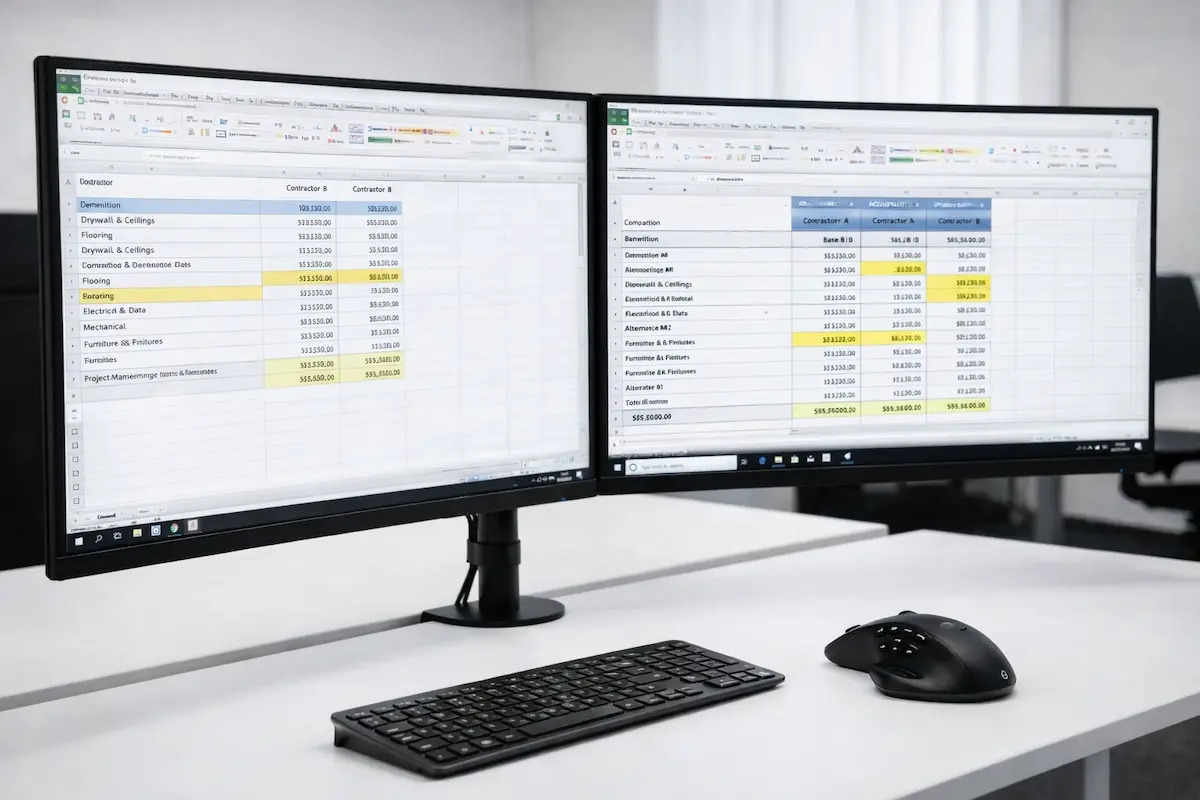
A well-prepared Blueprint reduces improvisation on site and makes it easier to compare contractor offers.

Indicatively: Eco Layout takes 1–2 weeks, Eco Vision 2–4 weeks, and Eco Blueprint 4–8 weeks. The timeline depends on the area, number of decision-makers, data availability, number of changes and level of multidisciplinary coordination.

The fastest project happens when the business goal, area, work model, decision-makers and expected office standard are known from the beginning.

Yes — the project can be prepared in zones, with an internal relocation plan and reduced downtime.

  • we define the sequence of works and divide the office into stages,
  • we analyze delivery logistics, access, circulation routes and zone separation,
  • we account for work comfort, acoustics and user safety,
  • we design to avoid returns, clashes and unnecessary corrections.

This is especially important when modernizing an office in which the company must continue operating despite ongoing works.

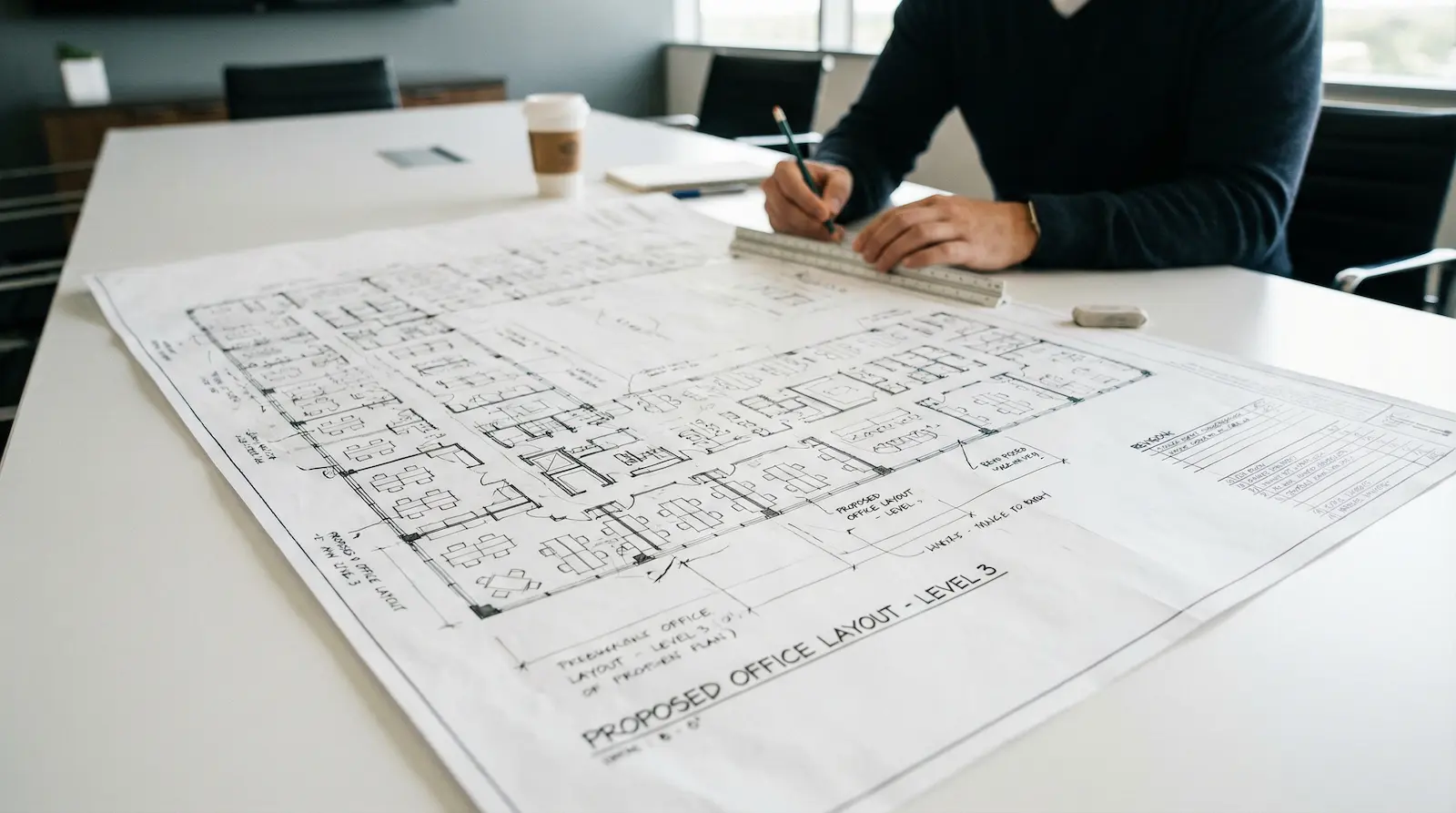
A space plan answers how the office will work. Construction documentation answers how to build it.

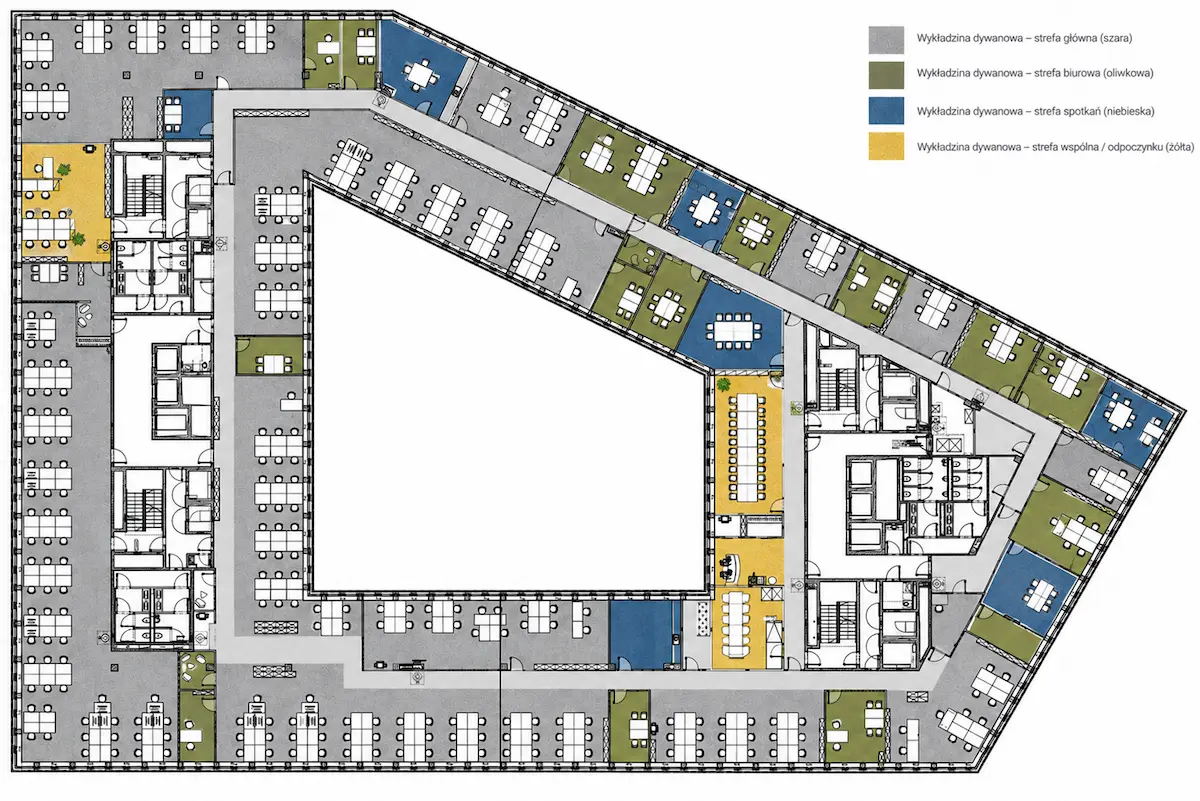
Space plan shows the arrangement of workstations, meeting rooms, offices, kitchen and shared zones.

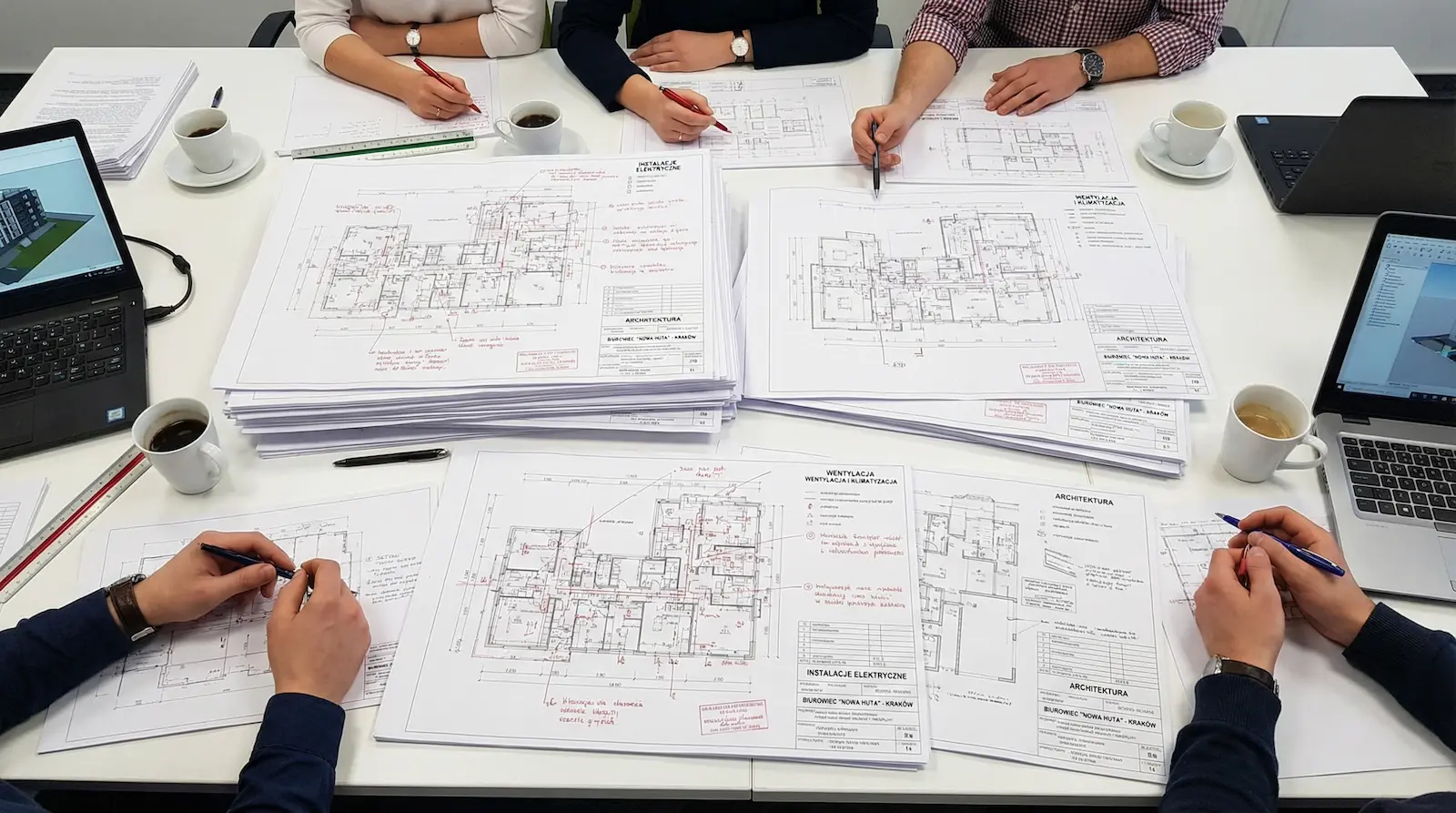
Construction documentation includes drawings, details, schedules, discipline coordination and guidelines needed for pricing and delivery.

At the start, a short brief and floor plan are enough, and the remaining data can be completed during the process.

  • office area and location,
  • number of people and attendance model,
  • program: meeting rooms, offices, kitchen, coffee point, storage,
  • expected standard, budget and deadline,
  • floor plan, heights, information about installations and building guidelines, if available.

Approvals depend on the procedures of the specific building, but it is best to run them in parallel with the project.

  • we check fit-out guidelines and building manager requirements,
  • we coordinate fire safety, fire alarm systems, voice alarm systems, sprinklers, BMS and installations,
  • we prepare documentation in the format required by the building,
  • we identify technical clashes before entering delivery.

This prevents the project from stopping only when the contractor is ready to enter the space.

The budget is most often increased by glazing, acoustics, AV, custom joinery and program changes during the project.

  • glass walls and doors with higher acoustic performance,
  • ceilings, panels and solutions improving acoustic comfort,
  • non-standard custom joinery and carpentry details,
  • rooms with advanced AV and IT infrastructure,
  • late layout changes that force discipline corrections.

That is why the office standard should be designed together with the budget, not verified only after the first pricing.

Yes, but it requires parallel work and quick decisions on the investor’s side.

  • we quickly close the space plan and standard,
  • we run disciplines, details and approvals in parallel,
  • we limit the number of changes after key decisions are approved,
  • we identify long-lead items earlier.
The most important thing is to compare scope and responsibility, not only the price per meter.
  • whether the offer includes only a space plan, or also a concept and documentation,
  • whether it includes discipline coordination, details and schedules,
  • whether it provides support in building approvals,
  • whether it clearly describes the number of revisions, deadlines and change rules,
  • whether the designer understands the later fit-out cost.

Yes — this is exactly the purpose of the Design & Build model. The project is managed so that, from the beginning, it accounts for cost, technical requirements, budget, schedule, approvals and execution realities.

As a result, the investor does not have to transfer the project to a completely separate contractor who will only discover missing decisions, clashes or costly details during construction.

We provide conceptual design as a separate service, while multidisciplinary construction documentation is prepared only in the Design & Build model.

This reduces the risk of clashes, endless revisions and shifting responsibility between designer and contractor.
When Ecoffices delivers the project, some technical decisions can be resolved operationally on site and included in as-built documentation.
Yes — Ecoffices works in the Design & Build model, meaning one team manages the project, cost, schedule, delivery and handover.

  • fewer risks at the design–execution interface,
  • one responsibility for the final result,
  • faster decisions and fewer coordination meetings,
  • greater cost and schedule predictability.

Design and fit-out are separate cost items, but they are strongly connected. The project is responsible for the level of investment preparation, while fit-out is responsible for delivering the office. A weak project may reduce the initial cost, but increase the risk of changes, clashes and additional costs during delivery.

That is why at Ecoffices we treat the project as a tool for controlling later CAPEX, not as a decorative add-on.

Yes. Already at the functional layout stage, basic fire safety and health and safety requirements must be considered: evacuation routes, ergonomics, circulation, work zones, technical rooms and compliance with safe office use rules.

Within the Eco Blueprint scope, documentation is prepared and checked by licensed designers, and fire safety and health and safety approvals are handled by Ecoffices.

Yes. If the company is choosing a space, negotiating a lease or making an initial modernization decision, the best first step is often Eco Layout: needs analysis and alternative functional layout.

Only after confirming that the office works functionally is it worth moving on to the interior concept, visualizations and construction documentation.

Office design includes not only aesthetics. It must account for the work model, number of users, meeting rooms, technology, acoustics, HVAC, electrical systems, fire safety, health and safety, building guidelines and later fit-out.

In practice, an office project is an investment tool, not only a visual interior concept.

The schedule is most often extended by: lack of decision-maker availability, incomplete input data, program changes, additional building approvals and multidisciplinary coordination.

That is why, before starting the project, it is worth defining who makes decisions, what the priorities are, what data is available and whether the project is later expected to move into fit-out delivery.

Yes — we select furniture according to the layout, ergonomics, standard and budget, and then coordinate deliveries and installation.

  • selection of desks, chairs, tables, cabinets and custom joinery,
  • aesthetic consistency with the interior concept,
  • verification of dimensions, passages and installation clashes,
  • control of deadlines, deliveries to site and installation.

Often yes — it depends on the lease agreement, fit-out budget and the rules of the specific building.

  • the landlord may provide a fit-out contribution,
  • part of the project costs may be settled within the tenant’s budget,
  • settlement usually requires approved documentation and invoices,
  • it is worth defining this already at the lease negotiation stage.
First step

Not sure where to start your office project?

A floor plan, an approximate number of people and information on whether you are planning a new office, relocation, modernization or preparation for fit-out is enough. Based on that, we will suggest whether to start with the layout, concept or documentation for delivery.

Eco Layout Eco Vision Eco Blueprint Design & Build
Navigation